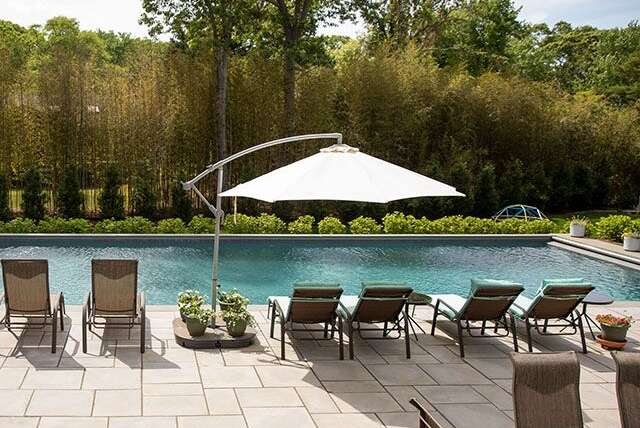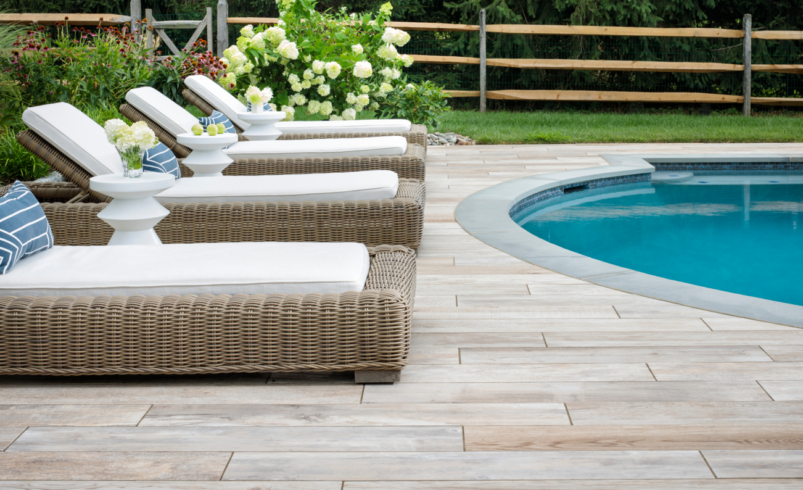

A pool deck can look beautiful in the morning and still reveal problems after a heavy South Florida downpour. Standing water, hot surfaces, loose stones, or shifting edges can turn an outdoor area into a maintenance headache.
For Pinecrest homeowners, choosing the right pool patio pavers means thinking beyond color and pattern. Material selection, drainage, base preparation, pool-edge details, and daily comfort all affect how the finished space performs. Pristine Pools and Pavers approaches these projects with those practical factors in mind.
What Pool Patio Pavers Actually Need to Do
Pool patio pavers create the walking, lounging, and entertaining surface around a swimming pool. Unlike a basic garden path, this area needs to handle frequent foot traffic, outdoor furniture, splashed water, intense sunlight, cleaning chemicals, and repeated exposure to rain.
Common options include concrete pavers, travertine, limestone, marble, porcelain, and other natural or manufactured materials. Each has different characteristics for texture, color, heat retention, maintenance, and cost.
A pool deck also needs a properly prepared foundation. Installation typically involves excavation, grading, compacted base material, a leveling layer, paver placement, edge restraint, and joint material. Skipping or rushing any of those stages can create problems later.
In Pinecrest, we’ve noticed that most homeowners initially focus on the paver itself. That is understandable because the surface is what you see every day. Yet the material sitting underneath it often has more influence on whether the finished patio stays level.
Local conditions make drainage another major consideration. Pinecrest maintains a stormwater program specifically addressing areas with repetitive standing water after storm events, which shows why water management deserves attention during outdoor hardscape planning.
A good design should therefore consider where rainwater will travel, how quickly it needs to leave the pool area, and whether existing drains, slopes, landscaping, or collection systems can handle additional runoff.
The Real Paver Challenge in Pinecrest
Pinecrest presents a combination that can be hard on outdoor surfaces: strong sun, high humidity, heavy seasonal rainfall, mature landscaping, and frequent outdoor use. A patio that looks perfectly level may still have small drainage issues that become obvious during a major storm.
Tree roots can create another concern. Mature properties may have established landscaping close to the pool, and roots can affect excavation or contribute to movement around existing hardscape. The answer is not simply removing plants or adding more base material. The installation plan should account for the actual site.
A client in Pinecrest reached out after noticing several pavers around the pool had become uneven. At first, the surface looked like it only needed a few stones reset. After inspection, the concern was more likely connected to movement beneath the pavers rather than the individual pieces themselves. The situation showed why surface repairs should begin with a look at the base, drainage, and surrounding conditions.
One objection homeowners often raise is, “Why pay more for proper preparation if nobody will see it?” The answer is simple: the part you cannot see determines much of the surface’s stability. A beautiful paver installed over a poorly prepared foundation can still settle, rock, or develop low areas.
Another question that deserves more attention is what happens around the pool after installation. Water from swimmers, pool cleaning, rain, and deck washing all needs somewhere to go. A patio should not simply push water toward the house, doors, equipment pad, or another low point.
Current pages ranking for pool and patio paving in South Florida commonly emphasize material choices, design styles, installation, and visual appeal. The less-discussed issue is how site drainage, sub-base preparation, and existing landscape conditions affect the finished surface. That is a major consideration for Pinecrest properties.
There is also a permitting question homeowners should raise early. Pinecrest’s own plan-submission documents list pool decks, paving, walks, slabs, and related site improvements among the site features that may need to be shown in project plans. Requirements can vary by project, so homeowners should confirm the applicable approvals before work begins.
How Pristine Pools and Pavers Approaches the Project Differently
A useful paver installation process starts before the first stone is placed. The property should be reviewed for existing grades, pool coping, drainage paths, landscaping, access points, doors, steps, and any areas where water already collects.
Pristine Pools and Pavers can approach the work around that complete site picture rather than selecting a color first and figuring out the technical details afterward.
The process should generally include several key decisions:
- Review the existing surface. Determine whether old concrete, pavers, soil, or another material needs removal before new work begins.
- Check elevations and drainage. Establish how the patio should fall and where runoff should travel during heavy rain.
- Prepare the base correctly. Excavation depth and base material depend on the site, existing conditions, and intended use. Proper compaction matters because weak areas can settle under foot traffic and furniture.
- Choose the surface material. Texture, color, heat exposure, pool chemicals, maintenance requirements, and budget should all influence the decision.
- Plan pool-edge details. Coping, expansion areas, transitions, steps, drains, and equipment access should be considered before installation.
- Install and compact carefully. Pavers need consistent placement and secure edge restraint so the completed surface stays stable.
- Finish the joints and inspect drainage. Joint material helps lock the installation together, while a final water-flow check can reveal low spots that need attention.
The unique insight here is that a pool patio is not an isolated rectangle of paving. It interacts with the pool shell, coping, deck drains, landscaping, doors, walkways, and the home’s existing grading.
That relationship is especially important in Pinecrest. A project can look excellent from a patio chair while still directing stormwater toward a problem area. Good installation considers what happens during the rain, not only what the surface looks like on a sunny afternoon.
Homeowners researching backyard paver designs in Pinecrest, FL should also think about how the pattern works with the pool shape. Large-format pieces can create a cleaner appearance around modern pools, while smaller modular layouts can suit traditional architecture. Borders can define the pool edge, but too many contrasting patterns may make a smaller outdoor area feel visually busy.
Practical Tips: What to Know Before You Decide
Working with clients in Pinecrest, our team found that homeowners make better material decisions after considering how they actually use the pool area. A family that spends most afternoons barefoot around the water has different priorities from someone who mainly uses the patio for occasional entertaining.
Start by walking the area at different times of day. A surface that looks attractive in the morning may receive direct afternoon sun for several hours. Ask about surface temperature, texture when wet, cleaning needs, and how the material will look after years of exposure.
Here are several points worth checking before approving a project:
- Ask about the base. Find out what will be removed, what material will be installed underneath, and how it will be compacted.
- Review drainage. Ask where water will go during a heavy storm, especially if the existing yard has low areas.
- Check the pool edge. Make sure the proposed layout accounts for coping, steps, drains, skimmers, and access to equipment.
- Consider maintenance. Some materials may require sealing or periodic cleaning to preserve their appearance.
- Request material samples. View them outdoors rather than relying only on indoor lighting or website photographs.
- Discuss repairs. Ask how individual damaged or settled pavers can be removed and replaced later.
- Confirm approvals. Pinecrest’s permitting requirements should be checked for the specific scope of work before construction starts.
If you are searching for paver installation near me, do not compare contractors solely by the square-foot price. Ask what that price includes. Excavation, disposal, base preparation, drainage work, edge restraints, cutting, joint material, sealing, and cleanup can all affect the final cost.
The same principle applies to driveway paver installation. Driveways carry vehicle loads and have different structural requirements from a pool deck, so a contractor should not assume that one installation method fits every paved surface.
One practical Pinecrest tip is to discuss drainage before finalizing the patio footprint. The Village’s ongoing stormwater work highlights that localized standing water can be a real infrastructure concern. A slightly different layout or drainage detail may prevent an expensive correction later.
Finally, do not treat sealing as a substitute for proper installation. A sealer can affect stain resistance and appearance, depending on the material and product, but it cannot correct a poorly compacted base or bad grading.
Build a Pool Area That Performs Beyond the First Season
A good pool patio should feel comfortable underfoot, drain properly, stay stable, and fit the architecture of the Pinecrest property. The smartest project starts with the site, not the color chart. For homeowners considering pool patio pavers in Pinecrest, Pristine Pools and Pavers can help turn those decisions into a practical installation plan, starting with an assessment of the existing surface, drainage, materials, and intended use.
1. What type of paver is best around a pool in Pinecrest?
The right material depends on texture, heat exposure, maintenance, appearance, budget, and the specific site. Travertine, natural stone, concrete, and porcelain can all work in pool areas when properly selected and installed. Look for a surface suitable for wet conditions and ask about slip resistance, heat retention, sealing, and long-term care.
2. How much does pool patio paver installation cost in Pinecrest?
Costs vary based on square footage, material, demolition, excavation, base preparation, drainage, design complexity, pool-edge details, and access to the property. A simple replacement can cost much less than a full removal and rebuild. Get an itemized estimate so you can compare the actual scope rather than only the price per square foot.
3. Do I need a permit for pavers around my Pinecrest pool?
Permit requirements depend on the project’s scope and existing conditions. Pinecrest’s building documents specifically include pool decks and paving among site improvements that may need to appear in submitted plans. Confirm the requirements with the Village before construction begins, particularly if the project changes grading, drainage, pool features, or other regulated site elements.
4. How do I know a paver contractor is trustworthy?
Ask for proof of appropriate licensing and insurance, written project details, references, and examples of completed pool projects. A trustworthy contractor should explain the base preparation, drainage plan, material choice, expected timeline, and warranty terms. Be cautious if someone focuses heavily on appearance and price but cannot explain how the installation will be built underneath.
5. Can uneven pool pavers be repaired instead of replaced?
Often, individual settled or damaged pavers can be removed and reset rather than replacing the entire patio. The key question is why they moved. If the base, drainage, edge restraint, or surrounding soil is contributing to the problem, simply resetting the stones may provide only a temporary fix. A proper inspection should identify the underlying cause first.