

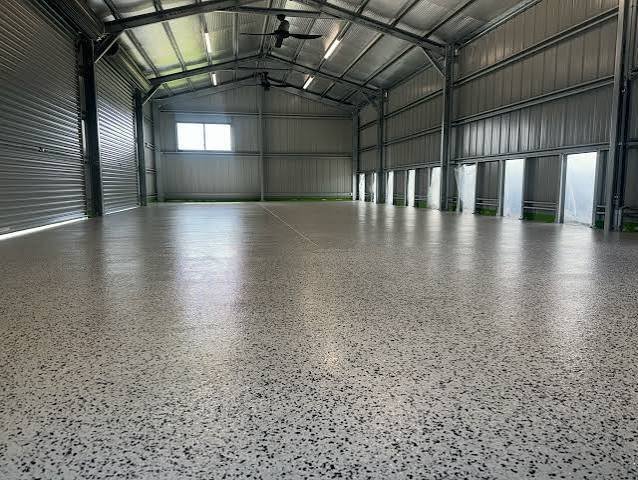

A floor does more than support daily activity. It affects a property’s appearance, safety, and upkeep. In Springfield, IL, homeowners and business owners often look for durable surfaces that handle everyday wear without demanding constant maintenance. Reliable epoxy flooring offers a practical option for garages, basements, workshops, retail spaces, and other high-use areas.
This coating system bonds to prepared concrete and creates a hard, protective surface. Moreover, property owners can choose from different colors, finishes, and decorative effects. The right system depends on the condition of the existing slab, the room’s purpose, and the expected traffic.
Concrete Art helps property owners understand flooring options and plan projects around their space and needs. However, a successful result requires more than choosing an attractive finish. Proper surface preparation, suitable materials, and careful application all affect performance. This guide explains what to consider before installation, how different systems work, and how to maintain a finished floor.
Why Epoxy Flooring Works for Different Properties
A Durable Surface for Everyday Use
Concrete can crack, stain, collect dust, and show wear over time. An epoxy coating can protect a properly prepared slab and create a smoother surface. Therefore, many property owners consider durable epoxy flooring for areas that experience regular activity.
The coating forms a hard layer over concrete. It can resist many common spills, stains, and abrasions. However, performance depends on the product, coating thickness, preparation, and conditions in the space. No coating makes concrete indestructible.
Epoxy also offers design flexibility. Property owners can select solid colors, decorative flakes, metallic effects, or different gloss levels. As a result, the floor can suit both practical and visual goals.
Where Epoxy Makes Sense
Consider the room’s daily demands before selecting a system. Garages often need resistance to vehicle traffic and automotive fluids. Basements may benefit from easier cleaning and a finished appearance. Workshops need surfaces that suit their tools, equipment, and work routines.
A professional assessment should also check moisture, cracks, old coatings, and concrete condition. These factors help determine whether epoxy is appropriate or whether repairs must come first.
Planning a Successful Epoxy Floor Installation
Choosing the Right Epoxy Flooring System
A successful project starts with matching the coating to the space. Professional epoxy flooring can suit many applications, but different products serve different needs. Some systems prioritize chemical resistance, while others focus on appearance or heavy-use performance.
Before work begins, installers should inspect the slab and discuss how people will use the area. They should also explain the expected preparation, application process, curing time, and maintenance requirements.
Five Practical Steps Before Installation
- Inspect the concrete: Identify cracks, spalling, stains, and previous coatings.
- Check moisture conditions: Excess moisture can interfere with coating adhesion.
- Choose a suitable product: Match the system to traffic, exposure, and room conditions.
- Plan the schedule: Allow enough time for preparation, application, and curing.
- Confirm the project details: Request a written scope, product information, and cost breakdown.
Moreover, ask whether the quote includes crack repairs, grinding, primer, and a protective topcoat. Clear details make it easier to compare estimates fairly.
Design Options and Benefits of Seamless Epoxy Flooring
Creating a Clean, Continuous Finish
Many owners prefer attractive seamless epoxy flooring because it creates a continuous surface without the grout lines found in tile. This finish can make routine cleaning easier. It also gives rooms a neat, unified appearance.
Decorative flakes add texture and help create visual depth. Metallic finishes offer a more dramatic look, while solid colors provide a simple style. However, the finish should suit the room’s lighting, layout, and intended use.
For more background on the material, read about epoxy resin flooring and its underlying resin technology.
Five Design and Performance Considerations
- Color selection: Choose a shade that works with walls, cabinets, and equipment.
- Gloss level: Compare high-gloss and lower-sheen finishes under the room’s lighting.
- Decorative flakes: Consider flake size and coverage for the desired appearance.
- Slip resistance: Ask about suitable texture or additives, especially in wet areas.
- Protective topcoats: Check whether an additional layer can improve abrasion or UV resistance.
Additionally, remember that some epoxy coatings can discolor under prolonged sunlight. Ask whether a UV-resistant topcoat or another coating system better suits spaces with strong sun exposure.
Residential Epoxy Flooring for Garages and Living Spaces
Improving Everyday Home Use
Homeowners often choose practical residential epoxy flooring for garages, basements, utility rooms, and workshops. These areas can collect dirt, oil, moisture, and marks from regular activity. A properly installed coating can make the surface easier to clean and maintain.
Garage floors need particular attention. Hot tires, dropped tools, road salt, and vehicle fluids can challenge a coating. Therefore, the installer should recommend a system designed for the expected conditions.
Basements require a separate assessment. Moisture moving through concrete can cause coating problems, even when the surface looks dry. Address water intrusion and moisture concerns before installation.
Five Tips for Homeowners
- Clear the room: Remove vehicles, furniture, storage, and loose items before work begins.
- Repair the slab: Address cracks and damaged concrete with suitable repair materials.
- Check moisture: Ask for appropriate testing before applying a coating.
- Allow proper curing: Keep people, pets, and vehicles off the floor as directed.
- Use gentle cleaners: Follow the product manufacturer’s care instructions.
Furthermore, avoid dragging heavy equipment across the finished surface. Use protective pads under storage units and workbenches to reduce scratches.
Commercial Epoxy Flooring for Busy Work Environments
Selecting a System for Business Demands
Businesses need floors that support staff, customers, equipment, and daily operations. Heavy-duty commercial epoxy flooring can work well in garages, workshops, warehouses, showrooms, and selected retail spaces. However, each setting has different demands.
A workshop may need chemical resistance and easy cleanup. A showroom may place greater value on appearance and light reflection. Meanwhile, a busy service area may need a coating designed for frequent traffic and abrasion.
Concrete Art can help property owners consider these factors when evaluating a flooring project. Ask for recommendations based on actual site conditions rather than a generic product description.
Five Planning Points for Commercial Projects
- Assess traffic: Consider foot traffic, carts, forklifts, and vehicle movement.
- Review chemical exposure: Identify oils, cleaners, solvents, and other substances used onsite.
- Plan business downtime: Schedule installation around operating hours and curing needs.
- Consider safety: Discuss slip resistance, line markings, and cleaning procedures.
- Review maintenance needs: Choose a system that staff can care for consistently.
Consequently, a clear project plan can reduce disruption and help businesses prepare for installation. Always confirm when the floor can safely handle normal operations.
Maintaining Epoxy Flooring for Long-Term Performance
Simple Care That Protects the Finish
Even a durable coating needs regular care. Dirt and grit can act like abrasives under shoes, carts, and equipment. Therefore, sweep or dust-mop the surface often. Clean spills promptly, especially when they involve chemicals or automotive fluids.
Use cleaners recommended by the coating manufacturer. Avoid harsh products unless the system specifically permits them. Likewise, use soft cleaning tools that will not scratch the finish.
Inspect the floor from time to time. Look for peeling, chips, cracks, or areas where the coating has lost adhesion. Address small problems early to prevent further deterioration.
Five Habits That Help Preserve the Floor
- Remove grit regularly: Sweep away dirt before it scratches the coating.
- Clean spills quickly: Use the cleaning method recommended for the substance.
- Protect high-use areas: Add mats where equipment or heavy items create repeated impact.
- Avoid harsh tools: Do not use abrasive pads or unapproved chemicals.
- Arrange repairs promptly: Ask a qualified installer to assess damage or coating failure.
Moreover, follow the manufacturer’s guidance for recoating and long-term maintenance. With suitable care, an epoxy system can remain attractive and useful for years, although its lifespan depends on use and conditions.
Conclusion
Choosing the right floor involves more than selecting a color or finish. Property owners should consider concrete condition, moisture, daily traffic, cleaning needs, and installation quality. These details help determine whether a coating system fits the space.
For homeowners and businesses, expert epoxy floor installation in Springfield, IL can provide a practical way to improve concrete surfaces. However, the best results depend on proper preparation and a product suited to the environment. Ask installers about surface repairs, moisture testing, curing times, warranties, and maintenance before approving a project.
Residential garages and commercial work areas may need different coating systems. Therefore, compare recommendations based on your actual requirements rather than price alone. A clear written estimate also helps prevent confusion about included services and materials.
With thoughtful planning and regular care, an epoxy-coated floor can offer a clean appearance and dependable everyday performance. Take time to review your options and choose a solution that supports the property’s long-term needs.
FAQs
How long does epoxy floor installation take?
Timing depends on floor size, preparation, repairs, and the coating system. Curing may take additional time before foot or vehicle traffic can return.
Can epoxy flooring be installed over damaged concrete?
Installers must assess and repair cracks, spalling, and other defects first. The coating cannot correct serious structural problems.
Is epoxy flooring suitable for garages?
Yes. A suitable system can resist common garage stains and wear. Proper preparation and a coating designed for vehicle traffic remain essential.
Is epoxy flooring slippery when wet?
Some smooth, glossy finishes can become slippery when wet. Ask about anti-slip additives or textured finishes for areas exposed to water.
How do I maintain an epoxy-coated floor?
Sweep regularly, clean spills promptly, and use approved cleaners. Avoid abrasive tools and follow the manufacturer’s maintenance instructions.