
Florida’s hot and humid climate can make it challenging to maintain a comfortable indoor temperature throughout the year. Long summers, intense sunshine, and high cooling demands often cause homeowners to rely heavily on air conditioning. If your home feels hot even when the AC is running, your attic insulation could be one of the factors affecting indoor comfort and energy use.
Two common options for improving attic energy efficiency are radiant barriers and traditional insulation. Both can help reduce heat entering your living space, but they work differently and serve different purposes. Understanding these differences can help you decide which solution makes the most sense for your property.
For homeowners in Miami and the surrounding communities, choosing the right attic improvement can make a difference in indoor comfort and cooling performance. The best option depends on your attic conditions, existing insulation, home design, and energy-efficiency goals.
Understanding Radiant Barriers
A radiant barrier is a reflective material, usually made with a highly reflective foil surface, designed to reduce radiant heat transfer. It is commonly installed in attics, where roof surfaces absorb sunlight and become hot during the day.
When sunlight heats a roof, some of that energy travels into the attic as radiant heat. A radiant barrier reflects a portion of this heat away from the attic’s interior surfaces, helping reduce the amount of heat transferred into the space below.
Unlike traditional insulation, a radiant barrier does not primarily slow heat movement through conduction. Instead, it works by reflecting radiant energy. This makes it particularly useful in hot climates such as South Florida, where roofs receive substantial sunlight for much of the year.
Homeowners interested in this option can learn more about radiant barrier installation and solutions.
Benefits of Radiant Barriers in Florida
Radiant barriers can provide several advantages for Florida homes:
- Reduced attic heat: Reflective foil helps limit radiant heat transfer from the roof into the attic.
- Improved cooling performance: Lower attic heat gains may reduce the amount of heat reaching conditioned rooms.
- Potential energy savings: Reduced cooling demand can contribute to lower electricity costs, depending on the home’s construction and existing insulation.
- Support for attic efficiency: A radiant barrier can complement other energy-efficiency improvements.
- Long-term usefulness: When installed correctly and kept in suitable condition, a radiant barrier can continue performing for many years.
Radiant barriers are particularly worth considering when attic temperatures rise significantly during sunny afternoons. However, their effectiveness depends on proper installation and an appropriate air space next to the reflective surface. Dust accumulation can also reduce their performance.
Understanding Traditional Insulation
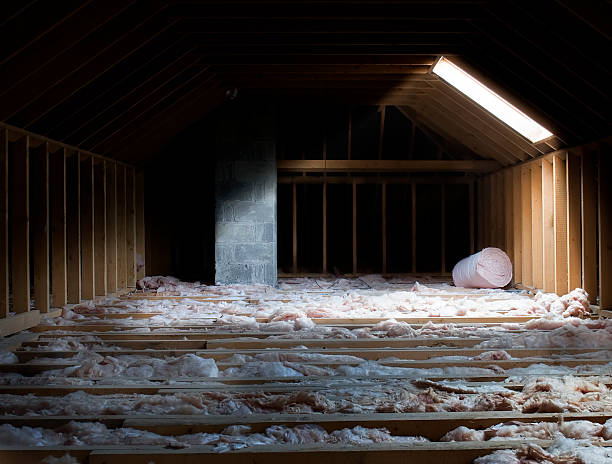
Traditional insulation is designed to slow heat transfer between spaces with different temperatures. Common options include fiberglass batts, blown-in fiberglass, cellulose, and spray foam.
These materials work by providing resistance to heat flow. This resistance is measured by an R-value, with higher R-values generally indicating greater insulating performance.
In Florida, traditional insulation helps limit heat entering air-conditioned rooms from the hot attic. During cooler weather, it also helps retain indoor warmth. Although heating needs are generally lower than cooling needs in South Florida, insulation remains useful throughout the year.
The right insulation material depends on factors such as the attic’s layout, ventilation, moisture conditions, existing insulation, and the home’s energy-efficiency requirements.
Benefits of Traditional Insulation
Traditional insulation offers several important advantages:
- Slows heat transfer: It helps reduce the movement of heat between the attic and the living space.
- Supports indoor comfort: Proper insulation can help maintain more consistent indoor temperatures.
- Reduces cooling demand: Limiting heat transfer may help the air-conditioning system maintain the desired temperature.
- Provides year-round benefits: Insulation helps manage heat flow in both hot and cooler weather.
- Offers multiple installation options: Homeowners can choose from different materials based on the property’s requirements and budget.
Traditional insulation is often the foundation of an energy-efficient attic. If your existing insulation is damaged, compressed, unevenly distributed, or insufficient, improving it may offer more benefit than installing a radiant barrier alone.
Radiant Barrier vs. Traditional Insulation: Key Differences
Although both solutions help improve attic performance, they address different types of heat transfer.
How they work: A radiant barrier reflects radiant heat, while traditional insulation slows heat transfer through its insulating structure.
Primary purpose: Radiant barriers are designed to reduce radiant heat gain from the roof. Traditional insulation provides resistance to heat flow between the attic and the living areas.
Performance measurement: Traditional insulation is commonly evaluated by its R-value. Radiant barriers are assessed by their reflective properties and the conditions under which they are installed.
Installation location: Radiant barriers are typically installed along roof rafters or other suitable attic surfaces. Traditional insulation is commonly installed across the attic floor or within designated building assemblies.
Best use: Traditional insulation is important for establishing the home’s thermal resistance. A radiant barrier can provide additional benefits when radiant heat from the roof is a significant source of attic heat.
Neither option automatically replaces the other. In many Florida homes, combining adequate traditional insulation with a properly installed radiant barrier can provide better overall attic performance than relying on either solution alone.
Which Option Works Best in Florida?
For most Florida homeowners, the answer depends on the current condition of the attic and the main source of the home’s heat gain.
If your home has little insulation or insulation that has deteriorated over time, addressing that problem should generally be a priority. Increasing insulation to an appropriate level can reduce heat transfer between the attic and the living space.
If your home already has adequate insulation but experiences substantial attic heat during sunny weather, a radiant barrier may be a useful additional improvement. By reflecting radiant energy, it can reduce heat buildup under suitable conditions.
For many properties in Miami, a combined approach deserves consideration. Traditional insulation provides resistance to heat flow, while a radiant barrier helps control radiant heat from the roof. The potential benefit of combining them depends on factors such as roof design, attic ventilation, existing insulation, and air leakage.
Before choosing either solution, it is worth having the attic evaluated. An inspection can identify missing insulation, gaps, moisture problems, ventilation concerns, and areas where conditioned air may escape.
Why Miami Homeowners Should Consider Attic Efficiency
Miami’s climate presents specific challenges for residential energy efficiency. Strong sunshine, warm temperatures, and high humidity can place considerable demands on air-conditioning systems.
When an attic absorbs large amounts of heat, some of that heat can affect the rooms below. If the home also has insufficient insulation or air leaks, maintaining a comfortable temperature may become more difficult.
Improving attic performance can help homeowners manage these challenges. The right combination of insulation, radiant heat control, air sealing, and appropriate ventilation can support more consistent indoor comfort.
Homeowners seeking local solutions can explore attic insulation services in Miami. A property-specific assessment can help determine which improvements are suitable for the home rather than relying on a one-size-fits-all approach.
It is also important to remember that radiant barriers do not control humidity or stop air leaks by themselves. In Florida, moisture management and proper ventilation must be considered alongside insulation to support a healthy and comfortable indoor environment.
Exploring the Benefits of Radiant Barrier Foil
Radiant barrier foil is designed to reflect radiant energy instead of absorbing and transferring as much of it into the attic. Its reflective surface can help reduce radiant heat gain when installed correctly.
The benefits depend on the building’s design and the amount of heat entering the attic. Homes with substantial sun exposure and hot roof surfaces may be suitable candidates, especially when other insulation measures are already in place.
For a closer look at this technology, read Benefits of Radiant Barrier Foil.
As with any attic improvement, installation quality matters. A radiant barrier should be installed according to appropriate building practices, with attention to air space, ventilation, and applicable fire-safety requirements. It should not be installed in a way that creates moisture problems or interferes with existing attic systems.
Factors to Consider Before Making a Decision
Before investing in a radiant barrier or traditional insulation, consider these factors:
Existing insulation condition: If the current insulation is thin, damaged, or uneven, improving it may be the first step.
Attic temperature: High temperatures during sunny afternoons may indicate that radiant heat control could be beneficial, although other issues should also be evaluated.
Roof construction: Roof materials, attic configuration, and ventilation influence how much benefit a radiant barrier can provide.
Air leakage: Gaps around ceiling penetrations, ductwork, and attic access points can allow unwanted heat and conditioned air movement. Air sealing may be needed alongside insulation.
Moisture management: Florida’s humidity makes it important to address leaks, condensation, and ventilation concerns before adding materials.
Budget and expected benefits: Installation costs and potential energy savings vary by property. Ask for recommendations based on your attic’s actual condition instead of assuming that the most expensive option will produce the best results.
Conclusion
Radiant barriers and traditional insulation both have a place in improving home energy efficiency in Florida, but they perform different functions. Traditional insulation slows heat transfer and provides the thermal resistance needed to maintain indoor comfort. Radiant barriers reflect radiant heat from the roof, helping reduce attic heat gain under suitable conditions.
For many Miami homes, traditional insulation should form the foundation of an effective attic improvement plan. A radiant barrier may be a valuable addition when roof-related radiant heat is a significant concern. In some properties, combining both solutions can provide a more comprehensive approach to managing heat.
The best decision begins with understanding your home’s specific needs. By evaluating insulation levels, attic ventilation, air leakage, roof construction, and moisture conditions, you can choose improvements that support comfort and energy efficiency.
If you are considering upgrading your attic, explore radiant barrier solutions and attic insulation services in Miami to learn more about the available options for your property.