
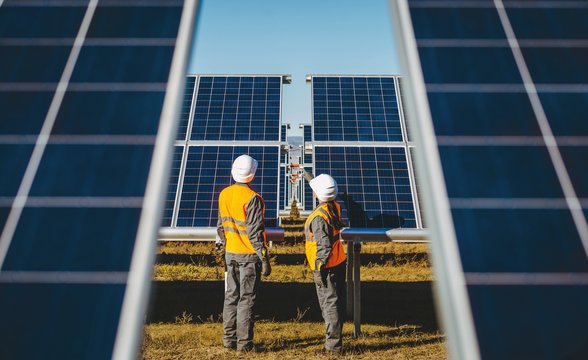

Rising electricity costs are encouraging homeowners and businesses to look for practical ways to manage their monthly energy expenses. Rooftop solar is becoming an increasingly accessible option because it allows property owners to generate electricity from sunlight while reducing dependence on conventional grid power.
For residents and businesses exploring rooftop solar Ahilyanagar, the combination of strong solar potential, improving solar technology, and government support makes the transition worth considering. Maharashtra has also seen significant growth in rooftop solar adoption, with more than 1 million consumers and over 6,900 MW of installed solar capacity reported on the state electricity distribution platform.
Why Rooftop Solar Makes Sense in Ahilyanagar
Solar panels convert sunlight into electricity that can be used for everyday requirements such as lighting, cooling, appliances, office equipment, and other electrical loads.
A properly designed rooftop system can help:
- Reduce monthly electricity expenses
- Generate clean electricity directly at the property
- Reduce dependence on conventional grid electricity
- Make energy costs more predictable over the long term
- Support a cleaner and more sustainable energy setup
- Make better use of otherwise unused rooftop space
The actual savings depend on factors such as electricity consumption, system size, roof orientation, shading, local electricity tariffs, and system performance.
Understanding Rooftop Solar Systems
A rooftop solar installation generally includes several important components working together.
Solar Panels
Solar panels capture sunlight and convert it into DC electricity. The number and capacity of panels required depend on the property’s energy consumption and available roof area.
Solar Inverter
The inverter converts the electricity generated by the panels into AC electricity that can be used by household or commercial appliances.
Mounting Structure
A strong mounting structure keeps the panels securely positioned on the roof while providing the required angle for effective solar generation.
Monitoring System
Modern solar systems can include monitoring features that help users track electricity generation and system performance.
Together, these components create a system designed around the property’s specific energy requirements rather than relying on a one-size-fits-all approach.
How Solar Can Help Reduce Energy Costs
One of the biggest reasons people consider rooftop solar Ahilyanagar is the possibility of lowering their electricity bills.
During daylight hours, solar generation can offset a portion of the electricity that would otherwise be drawn from the grid. The greater the match between solar production and daytime electricity consumption, the more useful the generated energy can be.
For example, a home with significant daytime usage from appliances, cooling systems, water pumps, or other equipment may be able to consume a substantial portion of its solar generation directly.
Savings can also vary according to the size of the solar installation. A system that is too small may not meet enough of the property’s demand, while an oversized system may require a different financial evaluation.
Factors That Influence Solar Savings
- Monthly electricity consumption
- Available rooftop area
- Roof direction and inclination
- Shading from trees or nearby buildings
- Solar panel efficiency
- Inverter performance
- Local electricity tariff
- Applicable government incentives
- Maintenance and system operating conditions
This is why a professional site assessment is an important step before installation.
Government Support Can Reduce the Initial Cost
For eligible residential consumers, government solar incentives can make rooftop installations more affordable.
The PM Surya Ghar scheme provides financial assistance for residential rooftop solar, while Maharashtra’s official electricity distribution platform currently lists support of ₹30,000 per kW for the first 2 kW and ₹18,000 per kW for additional capacity up to 3 kW, with the total subsidy capped at ₹78,000 for systems above 3 kW. Eligibility and applicable procedures should always be checked through the official channels before making an investment.
The Ministry of New and Renewable Energy also states that eligible residential consumers can apply through the applicable rooftop solar process and receive central financial assistance after installation and verification.
Choosing the Right Solar Partner
Selecting an experienced solar EPC provider can make the installation process easier, from system planning and component selection to installation and grid-related procedures.
Ank Solar provides residential, commercial, industrial, and other solar solutions and lists Ahilyanagar among its Maharashtra service locations. Its company information states that it has expanded into Maharashtra and other regions, with experience across residential and larger solar projects.
When comparing solar providers, look beyond the initial quotation and consider:
- Quality and specifications of solar modules
- Inverter technology and warranty
- Installation standards
- Structural safety
- System design and expected generation
- After-sales support
- Warranty coverage
- Assistance with applicable documentation and approvals
A transparent quotation should clearly explain what is included in the project cost.
Steps to Plan a Rooftop Solar Installation
1. Review Your Electricity Consumption
Start by checking recent electricity bills. Looking at several months of consumption provides a better understanding of your typical energy requirements.
2. Inspect the Rooftop
The roof should be assessed for available space, structural condition, orientation, inclination, and possible sources of shade.
3. Determine the Appropriate System Size
The solar system should be designed around actual electricity requirements and site conditions.
4. Compare Components and Services
Do not compare solar quotations based only on price. Review panel specifications, inverter details, warranties, installation standards, and support services.
5. Understand Approvals and Incentives
Ask the installer about applicable net-metering procedures, government incentives, documentation, and installation requirements.
6. Monitor System Performance
After installation, regularly monitoring generation can help identify performance changes and ensure the system continues to operate properly.
A Practical Step Toward Long-Term Energy Management
Solar is more than simply adding panels to a rooftop. It is a long-term energy investment that requires appropriate planning, quality equipment, safe installation, and regular performance monitoring.
For homeowners and businesses researching rooftop solar Ahilyanagar, evaluating electricity consumption and available rooftop space is a practical starting point. With the right system design, solar generation can help reduce grid dependence while supporting cleaner energy use.
Ank Solar can be considered when exploring professional solar installation services, with its listed presence across multiple Maharashtra locations and a portfolio covering residential, commercial, and industrial applications.
The best solar system is ultimately one that matches the property’s electricity needs, roof conditions, budget, and long-term energy goals. By comparing these factors carefully, property owners can make a more informed decision about switching to solar power.