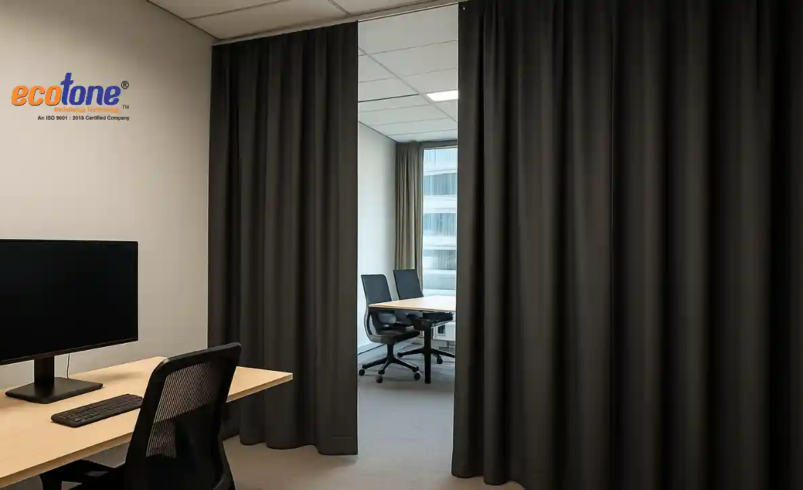

Clear sound is not a luxury; it is a requirement for productive, comfortable spaces. Thoughtful Room Acoustic Treatment controls how sound is reflected, absorbed and diffused, so speech remains easy to understand, music sounds accurate and unwanted noise stays under control in any type of room.
Common Acoustic Problems
Most sound complaints come from a few causes. Excessive reverberation makes speech blurry, flutter echo creates a ringing effect between parallel walls, and bass build-up in corners makes rooms sound boomy. Noise leaking through doors, partitions and gaps adds further distraction, especially in meeting rooms and classrooms.
Solutions That Deliver Results
- Absorption panels: Reduce mid and high-frequency reflections on walls.
- Ceiling treatment: Baffles and clouds shorten reverberation in open or high-ceiling spaces.
- Diffusion: Scatters sound to keep a room natural and lively.
- Bass traps: Tighten low-frequency response in corners.
- Isolation: Acoustic doors, seals and dense partitions block sound transfer.
Match Treatment to Room Purpose
A recording studio needs balanced absorption and diffusion for accurate monitoring. A conference room needs speech clarity and low reverberation. An auditorium needs even sound coverage with controlled echo. Defining the purpose first prevents over-treating or under-treating the space.
Placement and Coverage
Start with first-reflection points on side walls and ceilings, then address rear walls and corners. Treating roughly 20 to 30 percent of surface area is a reliable starting point. Leaving a small air gap behind panels boosts absorption of lower frequencies.
Selecting the Right Products
Compare NRC ratings, fire-safety certification, material density and finish quality. Durable, tested products ensure consistent performance over many years.
Conclusion
Good acoustics come from the right mix of absorption, diffusion and isolation, installed with careful planning. Get it right, and your space will sound clear, calm and professional.