
A siding problem rarely starts with a dramatic failure. More often, Southampton homeowners notice a loose panel, faded color, soft trim, or moisture appearing where it should not. Proper siding installation can protect the exterior, improve energy performance, and give an older home a cleaner appearance. From the perspective shared by Trueline Home Improvement, the right project starts with understanding the house, the coastal conditions, and the materials being installed.
What Siding Installation Involves
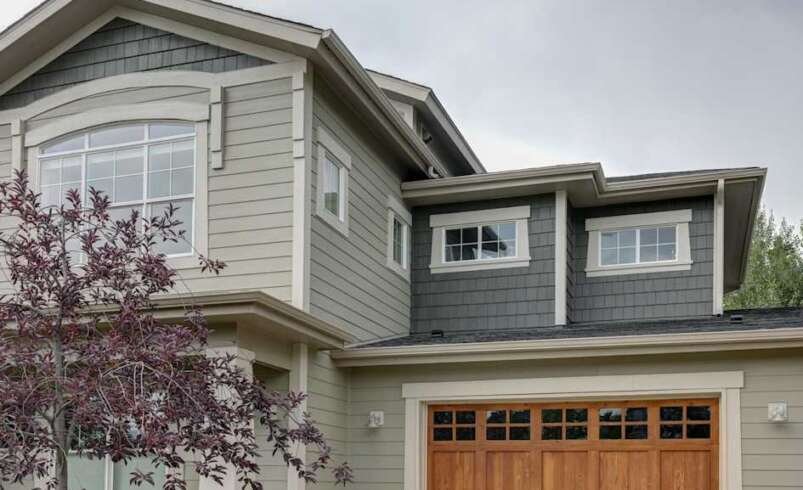
Siding does much more than cover the outside walls. A properly installed exterior helps shed rain, reduce exposure to wind, protect wall assemblies, and create a finished appearance around windows, doors, rooflines, and other architectural details.
A quality project usually begins with an inspection of the existing exterior. Contractors look for damaged sheathing, rot, moisture intrusion, deteriorated trim, pest activity, and areas where previous work may have failed. Those problems need attention before new panels are installed.
Material selection also matters. Vinyl, fiber cement, engineered wood, and other siding products have different requirements for fastening, expansion, ventilation, flashing, and maintenance. The correct choice depends on the home’s construction, exposure, appearance goals, and budget.
In Southampton, we’ve noticed that most homeowners pay close attention to color and style but initially overlook the details behind the siding. House wrap, flashing tape, drainage paths, starter strips, corner posts, and window flashing can have a major effect on how well the exterior handles rain.
The installation itself should account for movement and drainage. Panels should not be fastened so tightly that they cannot move as the material expands and contracts. Openings around windows and doors also need careful flashing so water is directed away from the wall assembly instead of trapped behind the exterior.
The Real Challenge in Southampton, NY
Southampton’s coastal location creates conditions that can be hard on exterior materials. Wind-driven rain, humidity, salt exposure, strong summer sun, winter freezes, and occasional coastal storms can gradually wear down siding and trim. Homes closer to the water may experience greater exposure, making material selection and installation details especially important.
A client in Southampton reached out after noticing several warped siding panels near a second-floor window. At first, the problem looked like ordinary age-related wear. After inspection, the surrounding trim and flashing showed signs that moisture had been reaching the wall area. Replacing only the visible panels would have left the underlying problem unresolved.
That situation points to an objection homeowners often have: “Why replace more than the damaged siding?” Sometimes a limited repair is exactly the right answer. Other times, replacing a small section without correcting the source of moisture simply creates a short-term fix.
For older Southampton properties, this becomes even more relevant. Previous siding jobs may have used different materials or installation methods. Removing old panels can reveal layers of repairs, mismatched flashing, deteriorated wood, or areas where water has been entering for years.
A good exterior assessment separates cosmetic deterioration from structural or moisture-related concerns. That distinction helps homeowners avoid paying for unnecessary work while also preventing a hidden problem from being covered up.
How Trueline Home Improvement Approaches It Differently
A siding project should be treated as an exterior building project rather than a simple panel replacement. Trueline Home Improvement can approach the work by considering the condition of the wall, the surrounding trim, drainage details, and the exposure specific to the property.
The first step is to inspect the existing siding and identify areas that require repair or removal. If damaged sheathing or framing is discovered, those conditions should be addressed before the exterior is closed up again.
Material selection follows the condition of the home and the homeowner’s priorities. A homeowner focused on lower maintenance may choose vinyl, while someone seeking a particular architectural appearance may prefer fiber cement or engineered wood. Color, texture, profile, thickness, and manufacturer requirements all deserve consideration.
The installation sequence matters just as much as the product. Starter courses need to be positioned correctly, corners should be aligned, and panels must be fastened according to manufacturer specifications. Around windows and doors, flashing and trim need careful attention because these areas are common points of water entry.
Competitor-focused articles often spend most of their space comparing siding colors and materials. A more useful question is how the installation will manage water after the project is finished. Proper flashing, drainage, and ventilation can matter far more to long-term performance than choosing between two similar shades of gray.
Another useful distinction is repair versus replacement. A siding replacement contractor in Southampton , NY should be able to explain why a full replacement is necessary rather than automatically recommending one. If damage is isolated and the existing material is still in good condition, targeted repairs may make financial sense.
That level of explanation gives homeowners something more valuable than a generic estimate: a clear understanding of what is wrong, what will be changed, and why the proposed work is necessary.
Practical Tips: What to Know Before You Decide
Start by walking around the property with the contractor. Look for cracked or loose panels, bubbling, staining, soft wood, gaps around openings, deteriorated caulk, and areas where siding has pulled away from the wall. Photographs can make it easier to compare conditions before and after the work.
Ask what preparation is included in the quote. Does the price cover removal of existing material? What happens if damaged sheathing is discovered? Are house wrap and flashing included? Will window and door trim be replaced or reused? Clear answers can prevent unpleasant cost surprises later.
Working with clients in Southampton, our team found that homeowners often focus on the total project price before asking about the installation method. A lower quote can become less attractive if it leaves out necessary preparation, disposal, flashing work, trim repairs, or other exterior details.
For coastal homes, pay particular attention to the fasteners and materials specified for the project. Salt air and moisture can be tough on exposed metal components, so the contractor should use products appropriate for the property’s environment and the siding manufacturer’s requirements.
Homeowners should also check how the contractor handles transitions. Siding meets roofing, masonry, decks, windows, doors, soffits, and utility penetrations in different ways. These junctions deserve careful planning because water does not always enter through the middle of a wall; it often finds weak points around openings and connections.
If the project involves vinyl siding, ask about existing damage before deciding that every panel needs replacement. Vinyl siding repair may be practical for isolated cracks, impact damage, or a small number of loose panels when the surrounding material remains sound.
Timing deserves some thought as well. Exterior work is easier to plan during suitable weather, but homeowners should not ignore active water intrusion simply because the preferred installation season is months away. Temporary protection and targeted repairs may be appropriate while a larger project is scheduled.
Finally, ask for a written scope of work. It should identify the siding product, preparation, trim, flashing, removal, disposal, repairs, and any exclusions. A detailed scope makes estimates easier to compare and gives both sides a clearer understanding of the project.
Choose the Exterior Based on More Than Appearance
The best siding project balances appearance, moisture management, material performance, installation quality, and the condition of the existing wall. For Southampton homeowners, local exposure to wind, rain, humidity, and salt air makes those details worth discussing before work begins. Trueline Home Improvement provides siding installation support in Southampton, NY, and homeowners can start by requesting an inspection and a written scope before deciding on the next step.
FAQs
How much does siding installation cost in Southampton, NY?
Pricing depends on the home’s size, siding material, number of stories, removal requirements, trim work, and any hidden moisture or sheathing damage. Coastal exposure can also affect material choices. Ask for an itemized estimate covering preparation, installation, flashing, trim, disposal, and repairs so you can compare proposals based on the actual work included.
How long does siding installation usually take?
Many residential projects take several days to a couple of weeks, but the schedule depends on home size, design complexity, weather, material availability, and preparation work. A straightforward replacement may move quickly, while older homes can require additional repairs after existing siding is removed. Your contractor should provide a realistic project schedule.
Should I repair my siding or replace all of it?
Repair usually makes sense when damage is isolated and the surrounding siding remains in good condition. Replacement may be more practical if panels are extensively deteriorated, moisture problems are widespread, or matching older material is difficult. An inspection should determine whether the problem is cosmetic, localized, or connected to the wall assembly.
How do I know if a siding contractor is trustworthy?
Ask for proof of insurance, a written contract, product details, references, and a clear explanation of preparation and installation methods. A trustworthy contractor should explain potential hidden conditions instead of promising that everything will be known before removal. Check whether the estimate clearly identifies exclusions, warranties, and responsibility for unexpected repairs.
Is vinyl siding a good choice for homes in Southampton?
Vinyl can be a practical option because it is relatively low-maintenance and available in many colors and profiles. The product itself is only part of the equation, though. Proper fastening, flashing, drainage, and installation matter greatly, particularly in coastal areas exposed to wind and moisture. Ask about the specific product’s installation requirements before choosing.