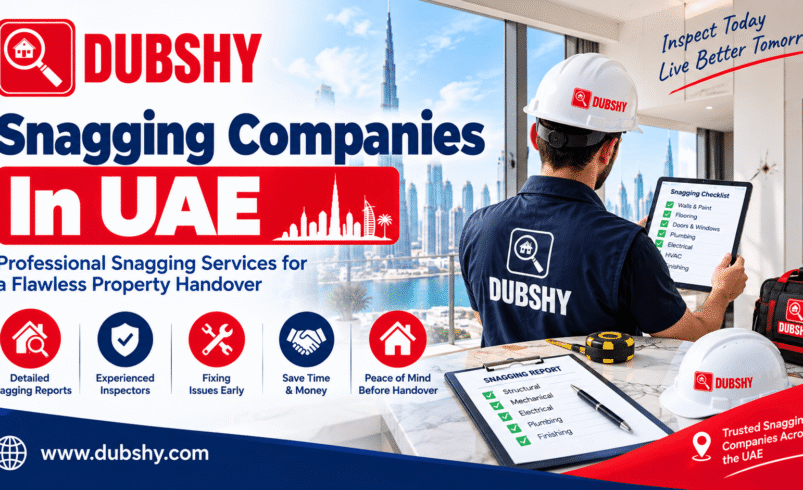

Purchasing a new property in the United Arab Emirates is an important investment, whether it is an apartment in Dubai, a villa in Abu Dhabi, or a townhouse in Sharjah. Buyers expect their properties to meet suitable construction and finishing standards, but newly completed buildings can still contain defects. Hiring professional Snagging Companies In UAE helps property owners identify these problems before accepting handover or requesting corrective work from the developer.
A snagging inspection involves examining a property’s visible finishes, fixtures, and accessible systems to identify incomplete work and functional issues. Common findings include cracked tiles, damaged paint, leaking taps, poorly fitted doors, and air conditioning problems. A detailed inspection report records these findings and helps buyers communicate their concerns clearly. Understanding how snagging works allows property owners to make better decisions and prepare for a more organised handover process.
What Do Snagging Companies In UAE Do?
Snagging companies specialise in identifying defects and unfinished work in residential and commercial properties. Their services are particularly useful for newly constructed homes, off-plan developments approaching completion, and renovated properties.
A snag can be a cosmetic defect, a faulty fitting, or an issue affecting the normal use of a building component. For example, a scratched cabinet may require a finishing repair, while a leaking pipe connection may need immediate attention to prevent water damage.
The Property Inspection Process
The inspection generally begins with a scheduled site visit. The inspector examines accessible areas, operates fixtures where possible, and documents defects with photographs and written descriptions.
Once the inspection is complete, the company prepares a report listing the findings. Depending on the provider, defects may be grouped by location, category, or level of urgency. The property owner can share the report with the developer or contractor and request appropriate repairs.
A follow-up inspection may then be arranged to check whether the reported issues have been corrected.
Why Is Snagging Important in the UAE?
The UAE property market includes a wide range of residential developments, from compact apartments to large villas. Different properties have different layouts, materials, and installed systems, making a systematic inspection valuable.
Identifying Defects Before Handover
A property can look attractive during a viewing while still having problems that are easy to overlook. Poorly sealed bathroom joints, loose door handles, damaged window frames, and uneven flooring may become noticeable only during a detailed examination.
Identifying these issues before handover gives buyers an opportunity to document them and request repairs through the appropriate process. It also creates a record of the property’s visible condition at the time of inspection.
Reducing Future Repair Costs
Small defects can become more expensive when left unresolved. For example, damaged bathroom sealant may allow water to reach surrounding materials, while a poorly adjusted window may affect its operation and sealing.
A snagging inspection helps identify visible warning signs early. However, hidden leaks and concealed construction problems may require specialist testing beyond the scope of a standard inspection.
Supporting Informed Decisions
A written report gives buyers clearer information about the property’s condition. Instead of relying on memory or a quick walkthrough, they can review documented findings and discuss specific corrective actions with the developer.
This is particularly useful for buyers who cannot attend every inspection themselves.
What Areas Are Checked During a Snagging Inspection?
The exact inspection scope depends on the property, the service agreement, and the accessibility of different components. Buyers should confirm the included checks before booking.
Walls, Ceilings, and Paintwork
Inspectors look for visible cracks, uneven plaster, damaged paint, stains, and poor finishing around corners or ceiling joints. Signs of moisture may also be documented.
Not every crack indicates a serious structural issue. Nevertheless, unusual cracking, significant movement, or persistent dampness should be investigated by an appropriately qualified specialist.
Flooring, Tiles, and Cabinets
Flooring checks may identify cracked tiles, damaged surfaces, uneven transitions, loose skirting, and visible gaps. Where appropriate, inspectors may check for loose tiles using suitable inspection methods.
Kitchen cabinets, wardrobes, and built-in storage are examined for damaged finishes, misaligned doors, loose handles, and drawers that do not open or close properly.
Plumbing and Bathroom Fixtures
Bathroom and kitchen inspections may include operating taps, checking visible pipe connections, testing drainage, flushing toilets, and examining accessible fittings.
Inspectors also look for leaking fixtures, damaged grout, poor silicone sealing, and visible water damage. Concealed pipework and waterproofing systems may require specialised testing to confirm their condition.
Electrical Systems and Air Conditioning
Where access and safety requirements permit, inspectors may check switches, sockets, lighting, and the basic operation of installed electrical fixtures.
Air conditioning checks can include testing controls, checking airflow, and examining accessible vents and filters. Advanced electrical testing, refrigerant diagnostics, and internal equipment assessments may require qualified specialists.
Doors, Windows, and Balconies
Doors and windows should open, close, and lock correctly. Inspectors look for damaged handles, loose hinges, scratches, alignment issues, and visible gaps around frames.
Balconies and terraces may be checked for visible surface damage, drainage concerns, and defects in accessible finishes. Any suspected safety-critical issue should be referred to a suitably qualified professional.
How to Choose the Right Snagging Company
Selecting an inspection provider requires more than comparing prices. The quality of the inspection and report can influence how effectively defects are communicated and resolved.
Review Experience and Qualifications
Look for a company with experience inspecting properties similar to yours. Apartment inspections may involve different requirements from villa inspections, which can include external areas, staircases, and additional building systems.
Ask about the inspector’s technical background, relevant qualifications, and experience with the types of defects commonly found in new properties.
Examine a Sample Report
A useful snagging report should include photographs, clear defect descriptions, and the location of each finding.
For example, writing “kitchen problem” provides little guidance. A more useful entry would identify a cabinet door that does not close correctly and include a photograph showing the alignment issue.
Clear documentation helps developers and contractors understand the required corrective work.
Compare Prices and Services
Request a written quotation that explains the inspection scope, report delivery time, additional charges, and whether reinspection is included.
Property size, location, accessibility, and the complexity of installed systems can affect the price. The lowest quotation is not necessarily the best choice if important inspection areas are excluded.
Practical Benefits of Hiring Snagging Companies In UAE
Professional snagging offers several practical advantages for property buyers and owners.
- Systematic inspections: Important areas receive structured attention instead of a brief visual walkthrough.
- Documented defects: Photographs and descriptions provide a clear record of observed problems.
- Better repair coordination: Buyers can send specific findings to developers and track outstanding work.
- Time savings: Experienced inspectors can examine multiple property components efficiently.
- Maintenance planning: Findings can help owners identify issues that require prompt attention or specialist assessment.
- Improved handover preparation: Buyers gain a clearer understanding of visible defects before completing the handover process.
These benefits depend on the inspector’s competence and the agreed scope. No standard inspection can guarantee that every defect will be discovered.
Common Challenges and Considerations
Hidden Defects May Go Undetected
A standard snagging inspection mainly identifies visible defects and problems that can be assessed using the agreed inspection methods. Concealed plumbing leaks, structural issues, insulation defects, and faults inside equipment may require specialist investigations.
If an inspector identifies warning signs, arrange further assessment rather than assuming the standard report provides a complete diagnosis.
Inspection Access May Be Limited
The inspection may be affected if electricity or water is unavailable, equipment cannot be operated, or certain rooms and service areas are inaccessible.
Ask the company to record any limitations in the report. Arrange additional checks when the necessary utilities or access become available.
Repair Responsibilities Can Vary
A snagging report does not automatically guarantee that a developer will accept every finding or complete repairs immediately. Contract terms, applicable warranties, handover procedures, and relevant UAE regulations may affect the process.
Keep copies of reports, photographs, written communications, and repair records. For serious defects or unresolved disputes, consider obtaining independent technical or legal advice.
Frequently Asked Questions
1. When Should I Hire a Snagging Company?
Arrange an inspection before accepting handover when the developer’s procedures and site access permit. You can also arrange inspections after repairs or when evaluating an existing property before purchase.
2. How Much Do Snagging Companies In UAE Charge?
Prices depend on property size, location, inspection scope, and the provider. A villa may cost more to inspect than a small apartment because it contains more rooms and additional areas. Request a detailed quotation before booking.
3. How Long Does a Snagging Inspection Take?
The duration varies according to property size, layout, condition, and the number of systems requiring inspection. Ask the provider about the expected site visit duration and report delivery time.
4. Can I Arrange Snagging After Handover?
Yes. An inspection can identify defects after you receive the keys. However, your options for requesting repairs may depend on the applicable contract, warranty conditions, and relevant regulations. Report concerns promptly and retain written evidence.
5. Does a Snagging Report Guarantee a Defect-Free Property?
No. The report documents findings within the inspection’s scope and limitations. It cannot guarantee that concealed defects or future equipment failures will not occur. Certain problems require specialist testing.
Conclusion
Reliable Snagging Companies In UAE help property buyers identify visible defects, assess finishing quality, and prepare a documented list of issues before or after handover. A professional inspection can support clearer communication with developers, improve repair tracking, and help owners understand their property’s condition.
Before choosing a company, review its experience, qualifications, inspection scope, sample report, and pricing. Confirm which tests are included and how limitations will be reported. By arranging a suitable inspection and following up on identified defects, property owners can approach handover with better information and a more practical plan for resolving outstanding issues.