

Softball cricket is a popular way to introduce people to cricket without using a traditional hard cricket ball. It is used for recreational games, beginner sessions, community events, training, and women’s softball cricket.
A softball cricket bat is designed specifically for use with softer balls. These bats can have different materials, weights, shapes, and sizes compared with traditional willow cricket bats.
Understanding these differences can help players choose a bat that matches their style of play and the type of ball being used.

What Is a Softball Cricket Bat?
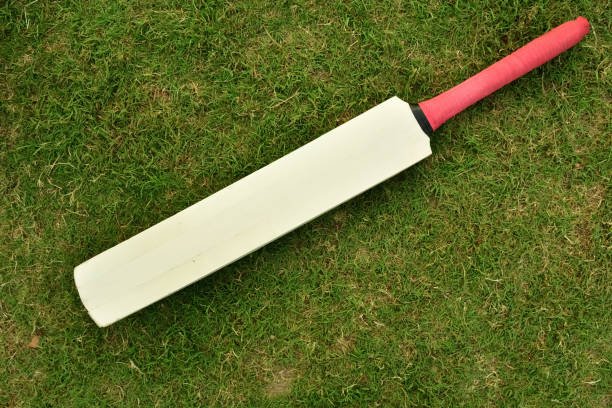
A softball cricket bat is a bat designed for cricket played with a softer ball.
Unlike conventional cricket bats, softball bats can be made from materials such as fibre composite or other non-wood materials. The ECB’s women’s softball cricket format uses specialised non-wooden bats and a softer, lighter ball.
Some softball bats are shaped similarly to traditional cricket bats. This allows players to practise familiar batting movements while using a softer ball.
What Is Softball Cricket?
Softball cricket is a shorter and more accessible version of cricket. In the ECB women’s softball format, teams generally have six to eight players, with matches designed to be completed in around an hour.
The format is intended to make cricket easier to access for people who may be new to the sport.
Softball cricket can also refer more broadly to cricket played with tennis balls, windballs, or other softer balls.
How Is a Softball Bat Different From a Cricket Bat?
The main difference is the type of ball the bat is designed to hit.
Traditional hard-ball cricket normally uses a willow bat. The ECB recommends using a willow bat when a conventional cricket ball is being used.
Softball cricket can use specialised non-wooden bats because the ball is softer and lighter.
Weight
Softball bats are often lighter than many standard adult cricket bats. A lighter bat can make it easier to swing quickly and control shots.
Some current softball cricket bats are listed at approximately 1lb 14oz to 1lb 15oz, although weight varies between models.
Construction
Traditional cricket bats are generally made from willow. Softball bats may instead use fibre composite or other lightweight materials.
The choice of material affects the bat’s weight, durability, balance, and feel.
Intended Use
A standard cricket bat is designed to withstand a hard cricket ball. A softball bat is intended for softer-ball formats and recreational play.
Using equipment for the wrong type of ball can affect performance and may damage the bat.
Common Materials Used
Fibre Composite
Fibre composite bats are commonly available for softball cricket. They can provide a lightweight construction while maintaining a shape similar to a cricket bat.
Some models use a lacquered or finished surface to improve durability.
Plastic and Other Synthetic Materials
Some beginner cricket bats are made from plastic or other synthetic materials.
The ECB notes that plastic bat shapes can be suitable for skill practices using tennis or soft balls.
These can be useful for introductory sessions where simplicity and easy handling are important.
What Weight Should a Softball Cricket Bat Be?
There is no single weight that suits every player.
The correct weight depends on the player’s age, strength, height, technique, and playing style.
A lighter bat can make it easier to develop bat speed. It may also be useful for beginners who are learning basic strokes.
Players should be able to control the bat comfortably without losing their batting technique.
Choosing the Right Size
Softball cricket bats are available in different sizes.
Common options can include:
- Junior sizes
- Size 6
- Harrow
- Short Handle
For example, some softball bats currently available in the UK are offered in Size 6, Harrow, and Short Handle options.
Height and physical development are useful factors when choosing a size. The bat should feel comfortable when the player stands naturally and prepares to play a shot.
Why Is Bat Balance Important?
Weight alone does not determine how a bat feels.
Two bats with similar weights can have different pickups because their weight is distributed differently.
A bat with a balanced pickup can feel easier to control. A different profile may place more weight towards the toe and provide another type of feel.
Players should consider how easily they can lift, swing, and control the bat.
What Balls Can Be Used?
Softball cricket bats can be used with several types of softer balls, depending on the bat’s design.
These may include:
- Soft cricket balls
- Tennis balls
- Windballs
- IncrediBalls
- Other approved training balls
Some softball cricket bats are specifically described as suitable for softballs, IncrediBalls, and tennis balls.
Players should always follow the manufacturer’s recommendations.
Benefits of Using a Softball Cricket Bat
Softball bats can be useful for several types of cricket activity.
Beginner Practice
New players can use softer-ball cricket to learn basic batting movements.
Women’s Softball Cricket
Specialised softball cricket is played by women and girls in England and Wales. The format was developed to provide a more accessible way to participate in cricket.
School and Community Sessions
Softball equipment can be useful for introductory cricket sessions where players have different levels of experience.
Casual Cricket
Families and recreational groups can use softball bats for informal games using suitable soft balls.
How to Look After a Softball Cricket Bat
Maintenance depends on the material used.
Synthetic and composite bats generally require less traditional preparation than willow bats.
Keep the bat clean and dry after use. Avoid leaving it outside or exposed to excessive moisture.
Check the handle, grip, edges, and surface regularly for damage.
If cracks or structural damage appear, stop using the bat until it has been properly assessed.
Does a Softball Bat Need Knocking In?
Traditional willow cricket bats may require knocking in before being used with a hard cricket ball.
A softball bat made from composite or synthetic materials may not require the same preparation.
The correct approach depends on the construction of the specific bat. Always follow the manufacturer’s instructions rather than applying traditional willow-bat preparation methods automatically.
How to Choose a Softball Cricket Bat
Consider these factors before choosing one:
Type of Ball
Check whether you will use tennis balls, soft cricket balls, windballs, or another type.
Player Size
Choose a bat that the player can comfortably control.
Weight
A lighter model can be easier to swing, particularly for beginners.
Material
Consider whether a composite, synthetic, or another construction suits the intended use.
Format
Check the rules of the softball cricket competition or club before selecting equipment.
Grip and Comfort
The handle should feel secure and comfortable during repeated shots.
Frequently Asked Questions
What is a softball cricket bat?
It is a cricket bat designed for use with softer balls in formats such as softball cricket and recreational cricket.
Can you use a normal cricket bat for softball cricket?
A normal cricket bat can sometimes be used with softer balls, but specialised softball bats may be lighter and better suited to the format.
Are softball cricket bats made from wood?
Some can be, but many specialised softball bats use non-wood materials such as fibre composite.
Are softball bats suitable for beginners?
Yes. Their lighter construction can make them useful for players learning basic batting skills.
Can you use a softball bat with a hard cricket ball?
This depends on the manufacturer’s specification. A bat designed only for soft balls should not automatically be used against a hard cricket ball.
Final Thoughts
A softball cricket bat is designed to make softer-ball cricket easier and more accessible. Compared with conventional willow bats, many softball models are lighter and may use synthetic or composite materials.
The right bat depends on the player’s size, strength, experience, playing format, and the type of ball being used.
Checking the bat’s specifications and competition requirements before use can help players select suitable equipment and develop their batting skills comfortably.