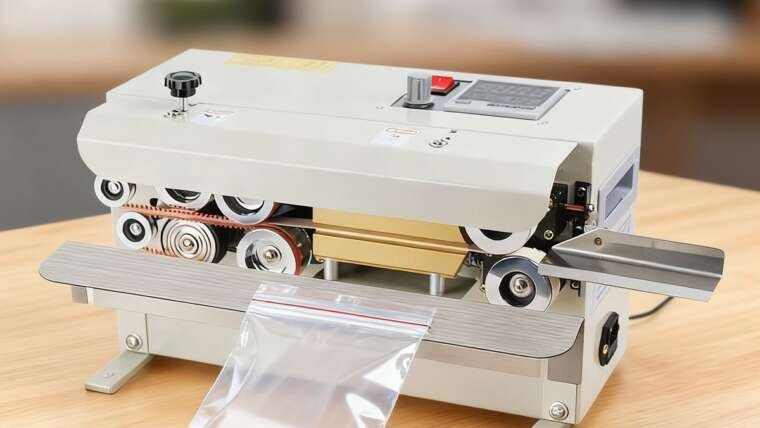
Sterile Medical Packaging for Australian Healthcare
Healthcare products need packaging that does more than look professional. Medical devices, surgical instruments, and other healthcare products may require protection from contamination, physical damage, moisture, and environmental exposure throughout storage and transport. For Australian medical device manufacturers, distributors, and healthcare suppliers, packaging decisions can affect product quality, operational efficiency, and customer confidence. Sterile Medical Packaging is an important part of this process because it helps maintain the required condition of a medical product until it is ready for use, provided the complete packaging and sterilisation processes are properly designed and validated.
For businesses seeking dependable quality without unnecessary expense, Sterile Medical Packaging offers a practical starting point for evaluating materials, packaging formats, sealing methods, and quality controls. The right approach can help companies reduce avoidable packaging failures, manage stock more effectively, and support consistent production. However, selecting Sterile Medical Packaging involves more than comparing prices or choosing a familiar bag or pouch. Businesses need to consider the medical device, sterilisation method, distribution environment, applicable requirements, and expected shelf life before deciding which packaging system is suitable.
What Is Sterile Medical Packaging?
Sterile Medical Packaging refers to packaging designed to help maintain the required sterility of a medical device after sterilisation and until the product is opened for use. Depending on the application, the packaging may include pouches, trays, lids, wraps, or other components designed to protect the device and preserve the performance of the sterile barrier system. The precise requirements vary according to the device, packaging design, sterilisation process, and intended conditions of storage and transport.
A key purpose of Sterile Medical Packaging is to create a suitable barrier against contamination while allowing the medical product to be presented and opened appropriately. Some packaging systems use porous materials that permit a sterilising agent to reach the device and then help maintain the barrier after processing. Other systems use different materials or configurations suited to particular sterilisation methods. The packaging must be compatible with the selected process and should be evaluated as part of the complete medical device system.
Sterile Medical Packaging should not be confused with ordinary protective packaging. A standard bag may protect a product from dust or scratches, but that does not automatically make it suitable for sterile medical use. Medical packaging requires appropriate material selection, process controls, and supporting evidence that the complete system performs as intended. Businesses should avoid assuming that a package is suitable simply because it looks clean, has a strong seal, or is marketed for healthcare applications.
Why Sterile Medical Packaging Matters in Australia
Australia’s healthcare sector depends on medical devices and supplies that arrive in suitable condition and can be handled according to their intended use. Sterile Medical Packaging supports this goal by helping protect products through manufacturing, sterilisation, storage, transport, and distribution. When packaging fails, businesses may need to investigate the affected products, assess their suitability, manage complaints, or replace stock. These outcomes can create costs and disrupt supply, making packaging quality an important business consideration.
For Australian manufacturers, Sterile Medical Packaging decisions should reflect the applicable regulatory framework and the intended market for each product. Medical device sponsors and manufacturers may have different responsibilities depending on their roles and the device involved. Businesses should identify the relevant requirements, confirm which standards apply, and maintain appropriate documentation for the packaging system. Regulatory obligations should be checked against current Australian requirements rather than inferred from general packaging advice.
Sterile Medical Packaging can also support confidence among hospitals, clinics, distributors, and other healthcare customers. Clear packaging specifications, consistent seals, suitable labels, and traceable quality records help businesses demonstrate that packaging is managed systematically. For price-conscious organisations, these controls may also reduce avoidable waste and rework. The goal is to achieve dependable packaging performance while ensuring that spending is directed toward measures that genuinely address product risks.
Understanding Sterile Medical Packaging Materials
Material selection is one of the most important decisions in Sterile Medical Packaging. Different materials provide different levels of protection, strength, flexibility, and compatibility with sterilisation processes. Common formats may include specialised paper, porous nonwoven materials, polymer films, rigid trays, and compatible lid materials. Each option has strengths and limitations, so the choice should be based on the needs of the medical device rather than appearance or price alone.
Sterile Medical Packaging Materials must be suitable for the intended sterilisation method and capable of meeting the packaging system’s performance requirements. A material that works for one sterilisation process may not be appropriate for another. Businesses should review material specifications, supplier documentation, and compatibility information before making a selection. They should also consider whether the material can withstand handling and distribution without tearing, puncturing, delaminating, or compromising the sterile barrier.
Another consideration for Sterile Medical Packaging is the way materials behave during sealing and opening. Packaging should form an acceptable seal under validated processing conditions and allow the intended user to open it without creating unnecessary risks. Depending on the application, teams may need to assess seal strength, seal continuity, package integrity, and the presentation of the product after opening. Testing should be based on relevant requirements and established methods rather than informal assumptions.
Cost control remains important when choosing Sterile Medical Packaging Materials. A lower-priced material may seem attractive, but its actual value depends on its performance, compatibility, availability, and effect on production efficiency. A material that causes frequent sealing problems or increases rejection rates can become more expensive over time. Businesses should compare the total cost of use, including waste, storage, handling, and quality testing, instead of focusing exclusively on the purchase price.
How Sterile Barrier Systems Protect Medical Devices
Sterile Barrier Systems are designed to maintain the required sterile condition of a medical device after sterilisation and during storage and distribution until the package is opened. Depending on the product, a sterile barrier may be formed by a pouch, tray-and-lid combination, wrap, or another validated packaging configuration. Additional protective packaging may be used to reduce physical damage during shipping and handling, but it should not be confused with the sterile barrier itself.
Sterile Medical Packaging must be evaluated as a complete system because the barrier depends on more than the material alone. The design, seals, sterilisation compatibility, handling conditions, and storage environment can all influence performance. A suitable material may still fail to protect a device if the seal is weak, the package is damaged, or the packaging process is poorly controlled. For this reason, businesses should assess the whole packaging system rather than approving individual components in isolation.
Sterile Medical Packaging should also support the practical needs of healthcare staff. Packages may need to open in a controlled manner, present the device conveniently, and include appropriate labelling and instructions. These features can be especially important in clinical settings where products are prepared for use under time-sensitive conditions. Usability should be considered alongside barrier performance so the package remains appropriate for its intended workflow.
Types of Sterile Medical Packaging Solutions
Pouches are a common format for Sterile Medical Packaging, particularly for suitable medical instruments, smaller devices, and products that fit within standard pouch dimensions. Pouches may combine a porous material with a transparent film or use another material configuration suited to the sterilisation process. Buyers should verify that the pouch is compatible with the device, sterilisation method, sealing equipment, and intended storage conditions.
Trays and lidded containers are another option for Sterile Medical Packaging when a device needs support, organisation, or additional protection from movement. These systems may be suitable for products with specific shapes or components that require a defined position inside the package. The tray, lid, and sealing interface must work together as a complete system. Businesses should evaluate the potential for damage, seal defects, and difficulties during opening before adopting a tray-based design.
Wraps and specialised packaging formats may be used for certain instruments, sets, or medical products. Sterile Medical Packaging requirements depend on the device and the intended sterilisation process, so the appropriate format should be selected through a documented assessment. Companies should avoid choosing a package solely because it is widely used in another application. The same packaging format may not be suitable for every device or sterilisation method.
Custom Medical Packaging Solutions may be appropriate when standard packaging cannot adequately accommodate the device’s shape, size, protection needs, or presentation requirements. Custom designs can help address specific challenges, but they may require additional development, tooling, testing, and validation. Businesses should define the essential requirements before starting a custom project. This helps keep the design process focused and reduces the risk of paying for features that do not improve performance.
Medical Device Sterile Packaging and Regulatory Considerations
Medical Device Sterile Packaging must be appropriate for the device’s intended use and the process used to establish and maintain sterility. Requirements can vary according to the device category, packaging design, sterilisation method, and applicable regulatory pathway. Australian businesses should determine which obligations apply to their products and verify the current requirements with the relevant regulatory guidance or qualified specialists.
Sterile Medical Packaging documentation may include material specifications, packaging drawings, process parameters, validation records, test reports, supplier information, and change-control records. The precise documentation needed depends on the product and applicable quality system. Keeping records organised can make it easier to trace packaging decisions, investigate problems, and demonstrate that changes have been assessed appropriately.
Businesses should also review the role of applicable standards in Sterile Medical Packaging. Standards relating to sterile barrier systems, packaging validation, and packaging performance may be relevant depending on the product and regulatory context. The correct standard and edition should be confirmed for the specific application. A business should not assume that citing a standard or completing one test automatically establishes compliance with every requirement.
Sterile Medical Packaging processes should be reviewed whenever important changes occur. Examples may include a new packaging material, different sealing equipment, revised process settings, a change in sterilisation method, or a new device configuration. The amount of reassessment required should be based on the potential impact of the change. A documented approach helps companies address genuine risks while avoiding unnecessary testing that does not contribute useful evidence.
How to Choose the Right Sterile Packaging Supplies
Selecting suitable Sterile Packaging Supplies starts with understanding the device and the environment in which it will be processed, stored, transported, and opened. Buyers should identify the required barrier performance, sterilisation compatibility, package dimensions, and protection needs. They should also determine whether the package needs to support special handling, clear product visibility, or specific opening characteristics.
Supplier documentation is an important part of Sterile Medical Packaging selection. Request material specifications, compatibility information, handling instructions, and details about any relevant testing or validation support. Where required, confirm that documentation covers the exact material or packaging configuration being purchased. A general brochure may provide an overview, but it may not contain enough information to support a technical approval decision.
Businesses should also consider supply continuity when sourcing Sterile Packaging Supplies in Australia. Delays or shortages can affect production schedules, especially when a package relies on a specific material or dimension. Ask suppliers about typical lead times, minimum order quantities, stock availability, and the process for notifying customers of material changes. Having a clear understanding of supply conditions can help businesses plan inventory without tying up excessive cash in unnecessary stock.
Sterile Medical Packaging buyers should avoid switching suppliers or materials without assessing the potential effect on performance. Even when two products appear similar, differences in composition, thickness, surface characteristics, or sealing behaviour may affect the finished package. A documented supplier-change process can help determine whether new testing, updated specifications, or additional validation activities are necessary.
Factors That Influence Sterile Medical Packaging Costs
The cost of Sterile Medical Packaging depends on the materials, package design, production volume, sterilisation compatibility, sealing process, and quality requirements. Standard packaging formats may be more economical for products that fit common sizes, while custom designs can require additional development and testing. Businesses should compare alternatives based on the performance required rather than assuming that the cheapest material will deliver the lowest overall cost.
Sterile Medical Packaging costs also include expenses beyond the package itself. These may include sealing equipment, operator training, quality inspections, testing, validation, storage, freight, and waste from rejected packages. Depending on the operation, a material that costs slightly more per unit may reduce waste or simplify production. A broader cost analysis can help identify which option offers better value over time.
Production volume can influence Sterile Medical Packaging purchasing decisions. High-volume businesses may benefit from negotiated pricing or more efficient purchasing arrangements, while smaller operations may need to balance minimum order quantities against storage space and cash flow. Buyers should consider how quickly materials are used, whether shelf-life limitations apply, and how much inventory can be managed effectively without increasing the risk of obsolescence.
To keep Sterile Medical Packaging spending under control, request itemised quotations and clarify what each supplier includes. Ask about freight, delivery schedules, documentation, technical support, and any additional fees. If testing or validation is required, define the scope before work begins. Clear expectations make it easier to compare offers fairly and reduce the risk of unexpected expenses after an order has been placed.
Quality Control and Packaging Validation
Quality control is essential for Sterile Medical Packaging because a package must consistently meet defined requirements throughout production. Depending on the application, quality checks may include visual inspection, seal assessment, material verification, and appropriate package integrity testing. The methods used should be selected according to the package design, intended performance, and applicable requirements.
Packaging validation provides evidence that Sterile Medical Packaging processes can consistently produce acceptable packages under defined conditions. For heat-sealed packaging, validation may involve evaluating suitable process parameters and establishing an operating range that produces acceptable results. The process should also address equipment condition, material compatibility, operator practices, and routine monitoring. A successful initial test alone does not guarantee consistent performance across every production run.
Sterile Medical Packaging quality systems should define how defects are recorded, investigated, and resolved. If a package fails an acceptance criterion, the business should assess the scope of the issue and determine the appropriate corrective action. Depending on the circumstances, this may involve checking sealing parameters, examining materials, inspecting equipment, or conducting additional testing. Documented investigations help teams address root causes instead of simply treating each failure as an isolated event.
Ongoing monitoring helps ensure that Sterile Medical Packaging remains suitable as production conditions evolve. Businesses should review quality trends, complaints, nonconformities, and changes to packaging materials or equipment. When the evidence indicates a potential problem, a risk-based reassessment can help determine whether additional validation or testing is needed. These practices support a more reliable packaging process and help protect the value of the original validation work.
Common Sterile Medical Packaging Mistakes to Avoid
One common mistake is selecting Sterile Medical Packaging based only on unit price. A cheap material may not provide the required performance or may be incompatible with the intended sterilisation process. Businesses should confirm technical suitability before comparing prices. This avoids investing in packaging that cannot reliably meet the needs of the product.
Another mistake is assuming that a strong-looking seal proves the package is acceptable. Sterile Medical Packaging can have defects that are difficult to identify through visual inspection alone. Seal strength, seal continuity, package integrity, and other characteristics may need to be evaluated using appropriate methods. The testing plan should reflect the risks and requirements of the specific packaging system.
A further mistake is overlooking operator training and equipment condition. Even suitable Sterile Medical Packaging materials can produce poor results when sealing equipment is not maintained or staff use inconsistent procedures. Clear instructions, routine checks, and appropriate training can help reduce avoidable defects. Businesses should make sure operators understand the approved process and know how to report unexpected results.
Finally, companies should not make packaging changes without reviewing their potential impact. Replacing a material, changing a supplier, or adjusting a sealing process can affect Sterile Medical Packaging performance. The level of assessment needed depends on the change and the associated risk, but the decision should be documented. A controlled approach can prevent unnecessary disruptions and help maintain consistent packaging quality.
How to Evaluate Packaging Suppliers
Choosing a supplier for Sterile Medical Packaging involves evaluating technical capability, product consistency, documentation, communication, and supply reliability. A supplier should be able to explain the intended application of its materials and provide relevant specifications. Clear responses to technical questions can help buyers understand whether the proposed packaging is suitable for their product and process.
Conclusion: Making Informed Packaging Decisions
Sterile Medical Packaging is a critical consideration for Australian medical device manufacturers, distributors, and healthcare suppliers. Suitable materials, well-designed sterile barrier systems, controlled sealing processes, and appropriate validation all contribute to packaging that performs as intended. By evaluating the complete system rather than individual components alone, businesses can make more informed decisions about product protection and quality.
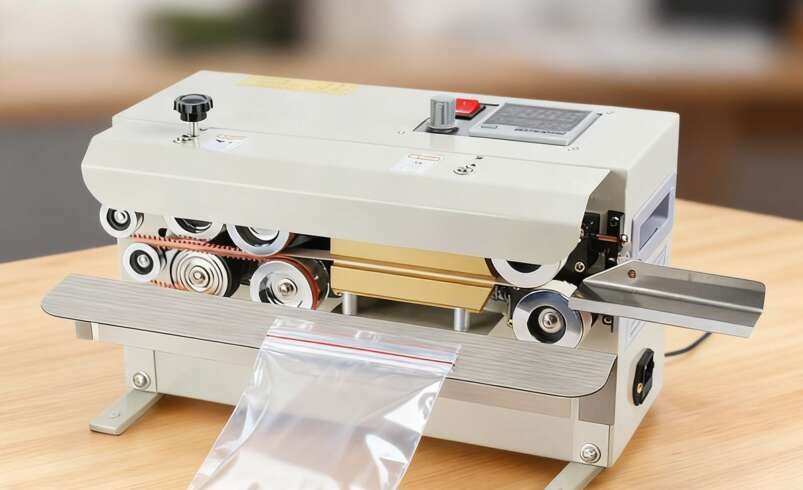
Sterile Medical Packaging for Australian Healthcare