

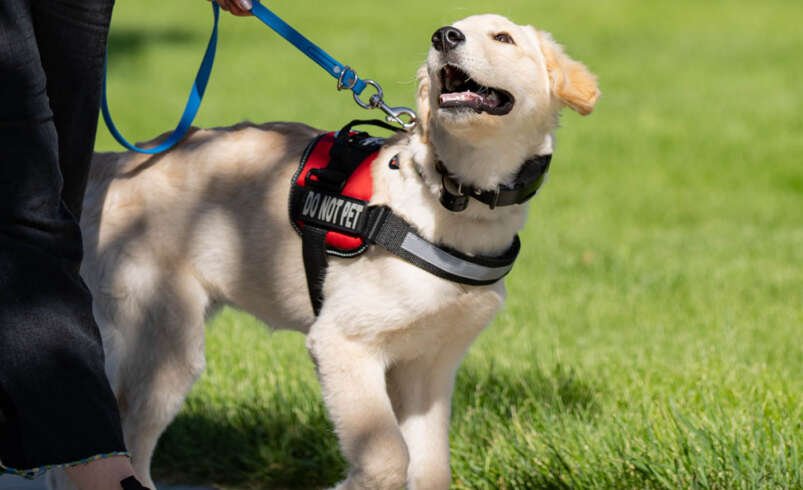

Dogs have an incredible ability to bring comfort happiness and emotional support to people. A gentle interaction with a friendly dog can brighten someone’s day reduce feelings of loneliness and create a sense of calm. However a dog does not automatically become a successful therapy dog simply because it is friendly at home. Therapy work requires patience confidence obedience social skills and the ability to remain calm in unfamiliar situations. Working with a professional Therapy Dog Trainer Venice can help prepare both dogs and their handlers for these important responsibilities.
At Dogsports4u Academy therapy dog training focuses on developing practical behaviors that allow dogs to interact appropriately with different people and environments. Training is designed around the individual dog helping build reliable manners while improving confidence and communication between the dog and handler.
What Does a Therapy Dog Do?
Therapy dogs are trained to provide comfort companionship and positive interactions to people in different environments. They may visit hospitals nursing homes schools rehabilitation facilities community centers or other locations where people can benefit from spending time with a well-behaved dog.
Unlike service dogs therapy dogs are generally not trained to perform disability-related tasks for one specific person. Their role is often centered around social and emotional interaction with multiple individuals.
Because therapy dogs may encounter many different people and environments they need to be comfortable with new experiences. A professional Therapy Dog Trainer Venice can help owners understand the behaviors and skills necessary for this type of work.
Choosing the Right Dog for Therapy Work
One of the first steps in therapy dog preparation is determining whether a dog is suited for the role. Every dog has a unique personality and being affectionate does not necessarily mean a dog will enjoy therapy work.
A good therapy candidate should generally be comfortable around unfamiliar people and capable of remaining calm in stimulating environments. Dogs that are excessively fearful reactive aggressive or easily overwhelmed may require additional behavior training before therapy work can be considered.
Professional evaluation can help identify a dog’s strengths and weaknesses. Trainers can observe how the dog responds to strangers distractions handling new surroundings and unexpected situations. This assessment provides a foundation for creating an appropriate training plan.
Building Strong Obedience Skills
Basic obedience is an important part of therapy dog preparation. A dog should be able to respond reliably to its handler even when there are distractions nearby.
Skills such as sitting staying coming when called walking politely on a leash and maintaining attention can make therapy visits safer and more enjoyable. Dogs should also learn not to jump on people pull toward strangers bark excessively or become overly excited during greetings.
A professional Therapy Dog Trainer Venice can help strengthen these behaviors through consistent practice. Reliable obedience gives handlers better control while allowing dogs to understand what is expected of them.
Socialization and Confidence
Therapy dogs may encounter situations that are completely different from their everyday home life. They might walk across unfamiliar floors hear medical equipment encounter wheelchairs ride elevators or meet people with different voices movements and behaviors.
Proper socialization helps dogs learn to handle these experiences calmly. Training should introduce new situations gradually rather than forcing a dog into an overwhelming environment.
Confidence develops when dogs are allowed to experience new things at a manageable pace and receive appropriate reinforcement for calm behavior. Over time these positive experiences can help dogs become more adaptable.
Teaching Calm Greetings
A therapy dog needs excellent greeting manners. When someone wants to interact with a dog the experience should be calm and comfortable rather than chaotic.
Jumping excessive licking barking or rushing toward someone can make an interaction unpleasant. This is particularly important when therapy dogs work with elderly individuals children people recovering from illness or individuals with limited mobility.
Training can teach dogs to approach people politely wait for direction and maintain appropriate behavior throughout an interaction. These simple manners can make a significant difference during therapy visits.
Understanding Body Language
Effective therapy dog training goes beyond teaching commands. Handlers also need to understand canine body language.
Dogs communicate discomfort stress excitement and relaxation through their posture facial expressions ears tail movement and other subtle signals. Recognizing these signs allows handlers to respond before a dog becomes overwhelmed.
A knowledgeable Therapy Dog Trainer Venice can help owners recognize these behaviors and understand when their dog is comfortable and when it may need space or a break.
This is an essential part of responsible therapy work because the dog’s well-being should always be considered.
Handler Training Is Equally Important
Therapy dog training is a partnership between the dog and the handler. Even a well-trained dog needs an attentive and responsible person guiding each interaction.
Handlers need to understand how to maintain control manage distractions communicate clearly and introduce their dog to people appropriately. They should also know when an interaction is no longer comfortable for the dog.
Consistent handling helps reinforce the behaviors taught during training. When the handler understands the dog’s needs and communicates effectively the entire team becomes more reliable.
Training for Real-World Environments
Dogs may behave differently in a training facility than they do in a busy public environment. This is why therapy dog preparation should include realistic distractions and different surroundings.
A dog may need to remain calm around groups of people unfamiliar noises doors opening and closing other animals or unusual movements. Gradually practicing these situations can help the dog develop better focus.
A professional trainer can increase distractions as the dog progresses making training more challenging without making the experience unnecessarily stressful.
Positive Reinforcement and Consistency
Dogs respond well to clear communication and consistent reinforcement. Rewarding appropriate behavior can encourage dogs to repeat those behaviors in future situations.
Depending on the dog reinforcement may involve treats praise toys play or other rewards. The important part is finding what motivates the individual dog and using it appropriately.
At Dogsports4u Academy training can be adjusted according to the dog’s personality learning pace and specific needs. A personalized approach helps address individual challenges rather than treating every dog exactly the same.
Why Professional Training Makes a Difference
Preparing a dog for therapy work can be challenging without guidance. Owners may focus on basic commands while overlooking important areas such as environmental confidence impulse control appropriate greetings or stress signals.
Working with a professional Therapy Dog Trainer Venice provides structured support throughout the process. Trainers can identify problem areas develop practical exercises improve communication and help handlers understand what their dogs need to succeed.
Professional training also helps establish realistic expectations. Not every dog will be suited for therapy work and recognizing this early can prevent unnecessary stress for both the dog and owner.
Creating a Rewarding Therapy Dog Partnership
The goal of therapy dog training is not simply to teach a dog to obey commands. It is about developing a dependable partnership where the dog and handler can work together confidently.
A successful therapy team understands boundaries communicates effectively and prioritizes the comfort and safety of everyone involved. With patience and consistent training many suitable dogs can develop the manners and confidence needed to provide positive interactions.
Conclusion
Therapy dogs can make a meaningful difference in people’s lives by providing companionship comfort and moments of happiness. However successful therapy work requires preparation reliable obedience socialization confidence and responsible handling.
Working with a professional Therapy Dog Trainer Venice at Dogsports4u Academy can help you understand your dog’s potential and build the skills needed for responsible therapy work. With the right training and guidance you can create a confident well-mannered partnership that is ready to bring positive experiences to the people who need them most. Start your dog’s training journey today and take the first step toward becoming a dependable therapy dog team.