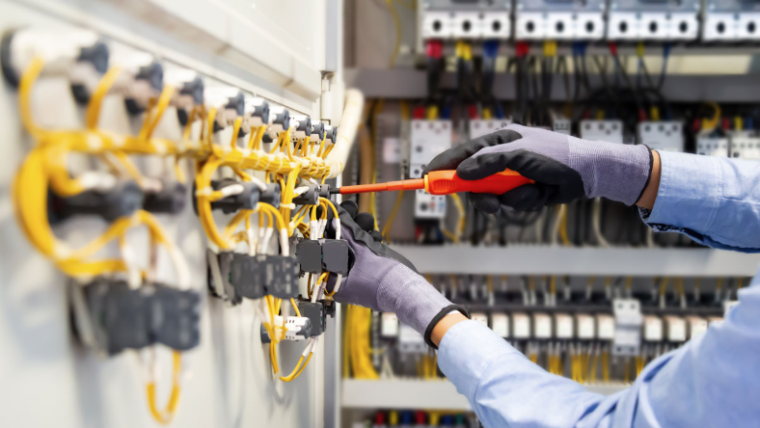

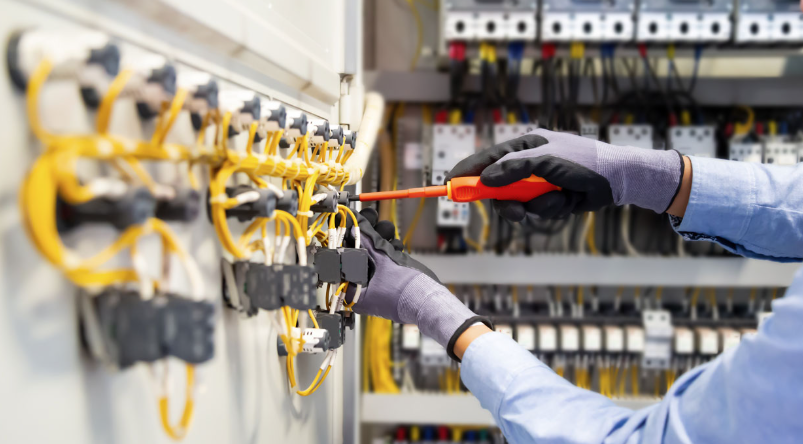

When an electrical outlet suddenly stops working, it can be frustrating and inconvenient. In some cases, the issue is simple to identify, while other situations may require professional Electrical troubleshooting Longview, TX. A nonworking outlet can result from a tripped breaker, a ground fault, loose wiring, or an aging electrical component. Understanding common causes can help homeowners recognize the problem and determine when professional assistance is needed.
Tripped Circuit Breaker
One of the most common reasons an electrical outlet stops working is a tripped circuit breaker. Breakers are designed to protect electrical circuits from excessive current. When a circuit becomes overloaded or experiences a short circuit, the breaker may automatically switch off.
Check your electrical panel for a breaker that appears out of position. If you identify one, resetting it may restore power to the outlet. However, if the breaker trips again shortly afterward, there may be an underlying electrical problem. Repeatedly resetting a breaker without identifying the cause can create safety concerns.
Tripped GFCI Outlet
Ground Fault Circuit Interrupter outlets are commonly installed in areas where electricity may come into contact with moisture. Bathrooms, kitchens, garages, laundry rooms, and outdoor areas often have GFCI protection.
A GFCI outlet can shut off power when it detects an imbalance in electrical current. This feature helps protect people from electric shock. If one outlet stops working, check nearby GFCI outlets for a reset button. Pressing the reset button may restore power.
It is also possible for one GFCI outlet to control several outlets farther along the same circuit. Therefore, a problem with a single GFCI device may affect multiple locations.
Overloaded Electrical Circuit
Modern homes contain many appliances and electronic devices. When too many high-power devices operate on the same circuit, the circuit may become overloaded.
Space heaters, microwaves, air conditioners, hair dryers, and other high-wattage appliances can place significant demands on an electrical system. An overloaded circuit may cause a breaker to trip or make an outlet stop supplying power.
If an outlet frequently loses power when several appliances are operating, the circuit may need to be evaluated. A qualified electrician can determine whether the circuit is properly designed for the electrical load.
Loose Electrical Connections
Loose wiring is another possible reason an outlet stops working. Electrical connections can become loose because of age, vibration, improper installation, or repeated use of the outlet.
A loose connection can cause intermittent power, flickering, or an outlet that works only occasionally. It can also produce heat and increase the risk of electrical damage.
Homeowners should avoid removing outlet covers or handling internal wiring without the appropriate training. Electrical systems can remain energized even when a device appears inactive. A qualified professional can inspect the wiring and connections safely.
Damaged or Worn-Out Outlet
Electrical outlets do not last forever. Repeatedly plugging and unplugging devices can wear out the internal contacts. Over time, an outlet may become loose, cracked, discolored, or unable to hold plugs securely.
A damaged outlet should not be ignored. Signs such as buzzing, sparking, burning odors, discoloration, or unusual warmth can indicate an electrical problem.
Replacing a worn outlet may restore reliable operation, but the cause of the failure should also be considered. If the outlet has been exposed to excessive heat or electrical stress, additional inspection may be appropriate.
Problems With Wiring
Sometimes the outlet itself is not the main problem. Damaged or deteriorated wiring somewhere in the circuit can interrupt power.
Wiring problems may occur because of aging materials, previous electrical work, physical damage, moisture, or improper installation. Depending on the location and severity of the issue, finding the source may require testing several parts of the circuit.
Professional electrical troubleshooting can help identify where power is being interrupted. Electricians can use appropriate testing equipment to evaluate voltage, continuity, connections, and circuit performance.
Faulty Appliances
An appliance or electronic device can sometimes cause an outlet to stop working. A damaged cord or malfunctioning appliance may create a short circuit or excessive electrical demand.
If an outlet stops working after connecting a particular device, unplug the device and check whether the circuit can be restored safely. Avoid using appliances with damaged cords, exposed wires, scorch marks, or other visible problems.
If the breaker continues to trip after the appliance is removed, the electrical circuit itself may need inspection.
Why Multiple Outlets May Stop Working
When several outlets stop working at the same time, the issue may involve a shared circuit. A tripped breaker or GFCI device can affect multiple outlets.
The outlets may also be connected through a common wiring path. If one connection fails, downstream outlets may lose power as well. This is one reason troubleshooting can become more complicated when several electrical devices are affected.
When to Call an Electrician
Some basic checks, such as identifying a tripped breaker or pressing a GFCI reset button, may be straightforward. However, electrical problems involving wiring, burning smells, sparks, repeated breaker trips, heat, or damaged outlets should receive professional attention.
If an outlet remains dead after basic checks, avoid repeatedly testing it or attempting repairs yourself. A licensed electrician can determine whether the issue involves the outlet, wiring, circuit breaker, GFCI protection, or another part of the electrical system.
Keeping Electrical Outlets Safe
Regular attention can help reduce electrical problems. Avoid overloading outlets, use appliances according to manufacturer instructions, and replace damaged cords or plugs. Keep electrical devices away from water and make sure outdoor equipment is protected by appropriate GFCI protection.
It is also useful to pay attention to warning signs. Flickering lights, buzzing sounds, burning odors, warm outlets, loose plugs, and frequent breaker trips should not be treated as normal.
Final Thoughts
Electrical outlets can stop working for many reasons, ranging from a simple tripped breaker to more serious wiring problems. Understanding these common causes can help homeowners respond appropriately when power suddenly disappears from an outlet. Basic checks may resolve minor issues, but persistent or unusual electrical problems deserve professional evaluation. With proper Electrical troubleshooting Longview, TX, homeowners can identify electrical faults, address safety concerns, and keep their electrical systems operating reliably.