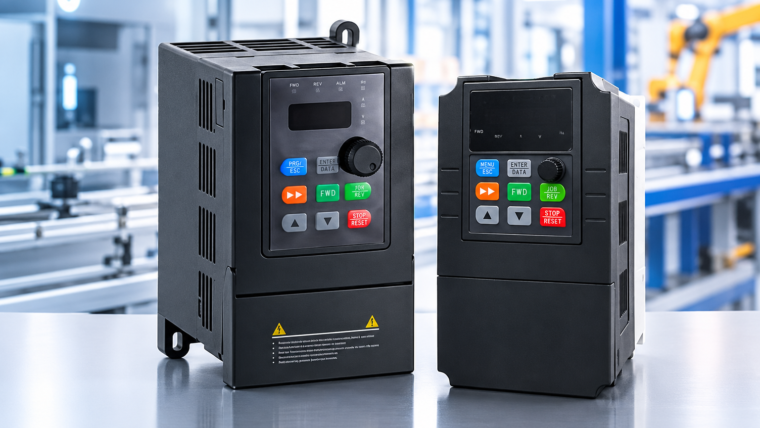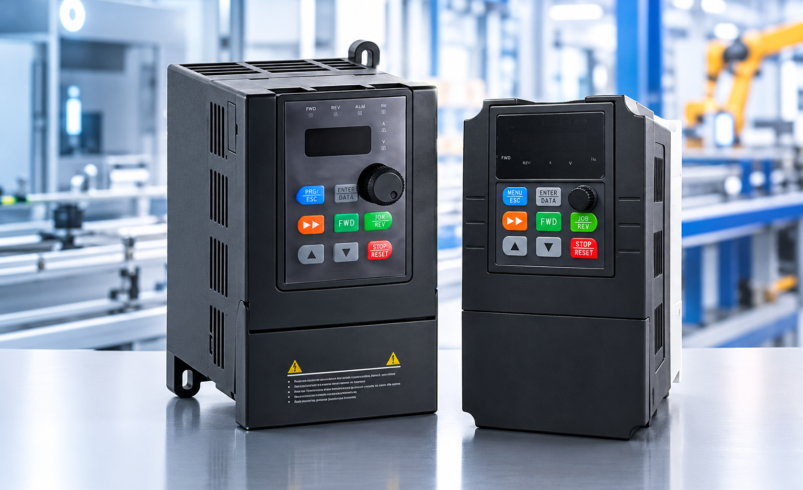

Three phase inverters play an important role in modern power systems by converting direct current (DC) electricity into three-phase alternating current (AC) electricity. They are widely used in industrial equipment, commercial facilities, solar power installations, and motor drive applications where reliable power conversion and consistent performance are essential. By supplying three-phase power, these inverters can support demanding electrical loads and help improve the efficiency of energy utilization.
How Do Three Phase Inverters Work?
A three phase inverter converts DC power from sources such as batteries, solar panels, or DC power supplies into AC power distributed across three electrical phases. These phases are typically separated by 120 electrical degrees, creating a balanced power supply when the system is properly designed and configured.
Modern three phase inverters use electronic switching components and control circuits to regulate output voltage, frequency, and waveform. Depending on the model, additional features may include overload protection, temperature monitoring, short-circuit protection, and real-time operating status displays. These functions help maintain safe operation and provide greater control over power conversion.
Key Benefits of Three Phase Inverters
One of the main advantages of three phase inverters is their suitability for high-power applications. Three-phase electrical systems can deliver power efficiently to industrial equipment, including pumps, compressors, production machinery, and other motor-driven devices.
Three phase inverters can also help improve operational flexibility. Certain models support adjustable output frequency and voltage, making them suitable for applications that require precise control of motor speed or electrical output. In solar energy systems, compatible three-phase inverters can convert the DC electricity generated by photovoltaic panels into AC electricity for commercial buildings, industrial facilities, or grid-connected installations.
Depending on the design, these inverters may also provide monitoring functions and multiple protection mechanisms. Selecting an appropriate model can help reduce unnecessary energy losses, improve system reliability, and support long-term equipment operation.
Common Applications of Three Phase Inverters
Three phase inverters are used across a wide range of industries. In manufacturing facilities, they can supply power to equipment requiring three-phase AC electricity. In HVAC systems, compatible inverter drives regulate motor speed in fans, pumps, and compressors, helping match equipment operation to changing demand.
Renewable energy is another important application. Three-phase solar inverters convert the DC electricity generated by photovoltaic modules into AC power for commercial and industrial energy systems. Depending on the system configuration, the converted electricity can be consumed on-site, exported to the utility grid, or integrated with compatible energy storage equipment.
They are also used in backup power systems, telecommunications infrastructure, and other installations where suitable DC sources must be converted into three-phase AC power. The appropriate inverter type depends on the load, power source, and required operating mode.
How to Choose the Right Three Phase Inverter
Choosing a suitable three phase inverter requires careful evaluation of the electrical system and its operating conditions. Several factors should be considered:
- Rated power: Select a frequency inverter with sufficient continuous output capacity for the connected loads, allowing for starting currents and temporary overloads where applicable.
- Input voltage: Confirm compatibility with the DC source, such as a battery bank or photovoltaic array.
- Output voltage and frequency: Ensure the output matches the requirements of the connected equipment.
- Waveform quality: Choose an appropriate output waveform and power quality specification for sensitive electronics or demanding loads.
- Protection features: Look for suitable safeguards against overload, overheating, short circuits, and other relevant electrical faults.
- Efficiency and cooling: Consider conversion efficiency, ventilation requirements, and the expected operating environment.
- Monitoring and control: Evaluate whether remote monitoring, communication interfaces, or adjustable operating parameters are needed.
For solar applications, it is also important to distinguish between grid-tied, off-grid, and hybrid inverter configurations. Each serves different system requirements, and not every three phase inverter supports all operating modes.
Improving Energy Performance with the Right Solution
As industrial facilities and commercial buildings seek more efficient and reliable power systems, three phase inverters continue to serve as important components in modern electrical infrastructure. Their ability to convert DC electricity into three-phase AC power makes them useful for renewable energy generation, motor control, and a variety of industrial power applications.
By evaluating power requirements, electrical compatibility, operating conditions, and protection functions, users can select a three phase inverter that meets their specific needs. The right solution can help improve energy utilization, support dependable equipment operation, and provide flexibility for future system expansion.