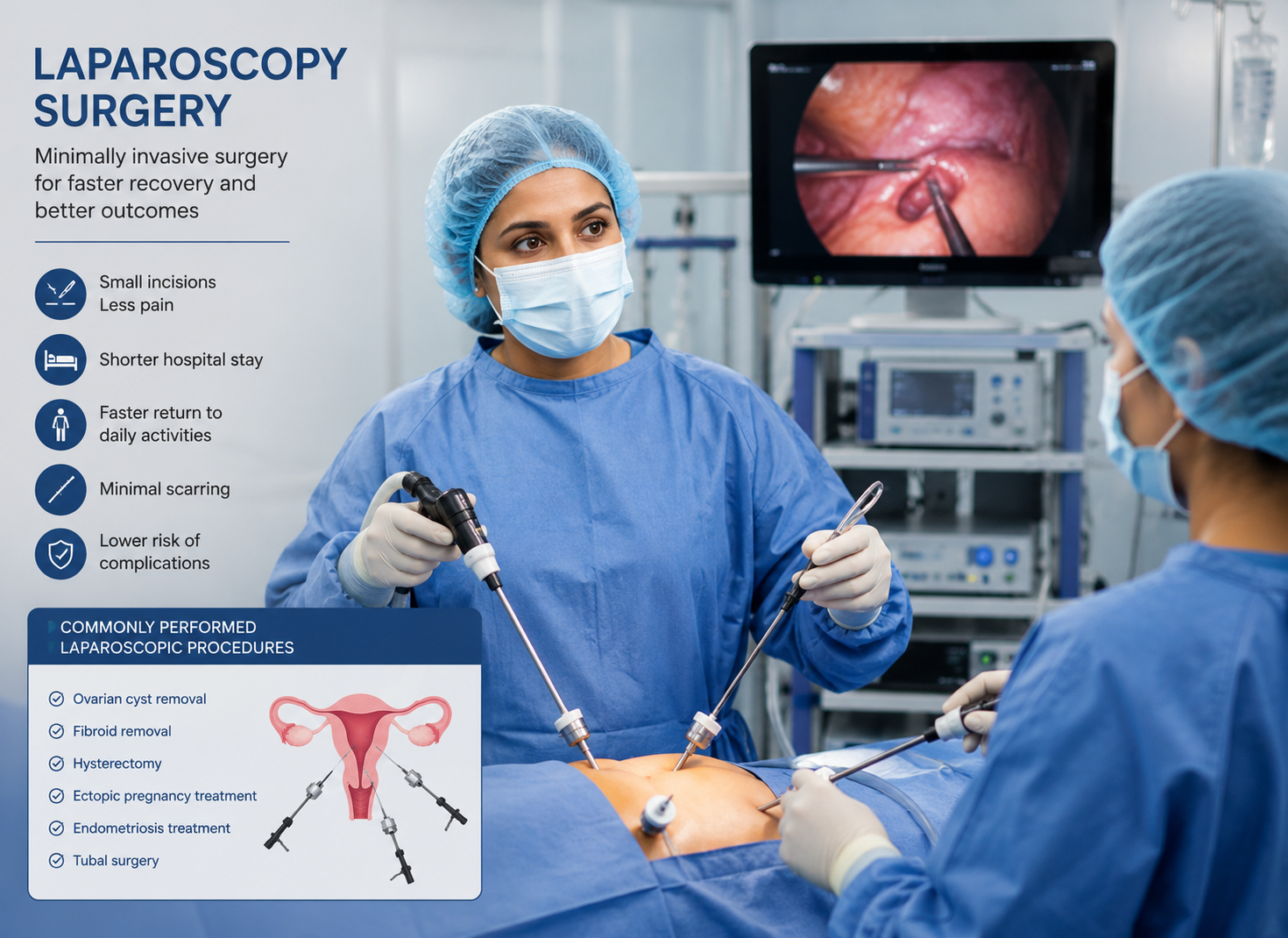
Uterine fibroids are common, noncancerous growths that develop in or around the uterus. Although some women experience no symptoms, others deal with heavy menstrual bleeding, pelvic discomfort, abdominal pressure, frequent urination, and difficulties with everyday activities. For women experiencing these symptoms, finding the right treatment can make a significant difference in their quality of life.
Many patients believe that surgery is the only way to manage uterine fibroids. However, modern medical advancements have introduced several treatment approaches that do not always require traditional surgery. Depending on the size, location, and number of fibroids, as well as the patient’s symptoms and reproductive goals, treatment may involve medication, monitoring, or minimally invasive procedures.One option that has gained attention is uterine fibroid embolization (UFE), also known as uterine artery embolization (UAE). This image-guided procedure offers an alternative to removing fibroids surgically. Understanding the available treatments, their benefits, and their limitations can help patients make informed decisions with their healthcare providers.
Understanding Uterine Fibroids and Their Symptoms
Uterine fibroids, medically known as leiomyomas, are growths that develop from the muscular tissue of the uterus. They can vary considerably in size, ranging from small growths that are difficult to detect to larger masses that can change the shape of the uterus.Fibroids may develop individually or in groups. Their location also matters because different types of fibroids can produce different symptoms.
Common types include:
- Intramural fibroids: Develop within the muscular wall of the uterus.
- Submucosal fibroids: Grow toward the uterine cavity and may contribute to heavy menstrual bleeding.
- Subserosal fibroids: Develop on the outer surface of the uterus and may cause pressure on nearby organs.
- Pedunculated fibroids: Grow on a stalk attached to the uterus, either inside or outside the uterine cavity.
Not every fibroid requires treatment. However, when symptoms become disruptive, consulting a qualified medical specialist can help determine whether treatment is necessary.
Common symptoms include:
- Heavy or prolonged menstrual periods.
- Pelvic pain or pressure.
- Lower back discomfort.
- Frequent urination.
- Constipation or difficulty emptying the bladder.
- Abdominal enlargement or bloating.
- Pain during sexual intercourse.
- Difficulty becoming pregnant in certain cases.
The severity of symptoms does not always correspond to fibroid size. Even relatively small fibroids can cause significant problems depending on their location.
What Are the Treatment Options Available Without Traditional Surgery?
Treatment depends on several factors, including the patient’s age, symptoms, fibroid characteristics, overall health, and plans for future pregnancy.Women exploring non surgical treatment for fibroids may have several options depending on their symptoms, fibroid size, overall health, and future pregnancy plans.
1. Watchful Waiting and Regular Monitoring
Not all uterine fibroids require immediate medical intervention. Women with small fibroids or minimal symptoms may benefit from regular monitoring instead of undergoing a procedure.
A healthcare provider may recommend periodic examinations and imaging studies to evaluate changes in fibroid size or the development of new symptoms.This approach may be suitable for women whose fibroids are not significantly affecting their daily activities.
However, monitoring does not actively shrink or eliminate fibroids. If symptoms become more severe or fibroids grow, additional treatment may be necessary.
2. Medication for Managing Fibroid Symptoms
Medications may help control certain symptoms associated with uterine fibroids, particularly heavy menstrual bleeding and menstrual discomfort.
Depending on the patient’s condition, a healthcare provider may recommend:
- Hormonal birth control to help regulate menstrual bleeding.
- Tranexamic acid to reduce heavy menstrual bleeding.
- Nonsteroidal anti-inflammatory drugs (NSAIDs) to manage pain.
- Hormone-regulating medications, such as GnRH agonists or antagonists, to temporarily reduce fibroid-related symptoms and sometimes fibroid size.
It is important to understand that medications generally manage symptoms rather than permanently eliminate fibroids. Some treatments may also have side effects or limitations on how long they can be used.Patients should discuss the benefits and possible risks with their healthcare provider before beginning medication.
3. Uterine Fibroid Embolization (UFE)
Uterine fibroid embolization is one of the established minimally invasive alternatives to traditional fibroid surgery.
Unlike myomectomy, which involves surgically removing fibroids, UFE works by reducing the blood supply that allows fibroids to grow. Without an adequate blood supply, treated fibroids gradually shrink over time.The procedure is performed by an interventional radiologist using medical imaging and specialized catheter-based instruments.This treatment can be particularly useful for patients who have symptomatic fibroids and want to explore an alternative to major surgery.
How Does the UFE Procedure Work?
UFE is performed through a small puncture in the skin, commonly in the wrist or upper thigh area. The procedure generally involves the following steps:
- Initial evaluation: The physician reviews the patient’s medical history, symptoms, and imaging results to determine whether embolization is appropriate.
- Catheter placement: A thin, flexible tube called a catheter is inserted into an artery through a small skin puncture.
- Image-guided navigation: Using X-ray guidance, the interventional radiologist carefully directs the catheter toward the arteries supplying blood to the uterus and fibroids.
- Blocking the fibroid blood supply: Tiny medical particles are released through the catheter into the blood vessels supplying the fibroids. These particles reduce or block the blood flow to the targeted growths.
- Gradual fibroid shrinkage: With their blood supply reduced, treated fibroids gradually shrink, which can improve associated symptoms.
The uterus remains in place because the procedure does not involve surgically removing the organ.
What Are the Benefits of UFE?
For women who want to avoid major surgery, UFE offers several potential advantages.
Minimally invasive approach: Unlike traditional fibroid surgery, UFE does not require a large abdominal incision. The procedure is performed through a small catheter entry point.
Preserves the uterus: UFE treats fibroids without removing the uterus. This may be important for women who want to retain their uterus.
Treats multiple fibroids: Rather than surgically removing individual growths, embolization can treat multiple fibroids during the same procedure when they are suitable for treatment.
No general anesthesia in typical cases: UFE is commonly performed with local anesthesia and sedation, avoiding the need for general anesthesia in many patients.
Outpatient treatment: Many patients can return home on the same day, depending on their medical condition and recovery.
Less recovery time than major surgery: Recovery is generally shorter than recovery from abdominal fibroid surgery, although some patients experience cramping, fatigue, and discomfort during the initial recovery period.
It is important to remember that UFE is not suitable for every patient. Its benefits and potential risks should be discussed with an experienced interventional radiologist.
Is UFE a Good Alternative to Fibroid Surgery?
Women considering treatment often want to understand whether embolization can provide results comparable to surgery.The answer depends on the individual patient’s condition and treatment goals.
Two commonly discussed surgical procedures are myomectomy and hysterectomy.
UFE vs. Myomectomy
Myomectomy is a surgical procedure that removes fibroids while preserving the uterus. It may be performed through different surgical approaches, depending on the size, number, and location of fibroids.UFE takes a different approach by reducing the blood supply to fibroids rather than physically removing them.
Some important differences include:
| Feature | UFE | Myomectomy |
| Treatment approach | Blocks blood supply to fibroids | Surgically removes fibroids |
| Major surgical incision | Not usually required | Depends on surgical approach |
| General anesthesia | Usually not required | Often required |
| Multiple fibroids | Can treat multiple suitable fibroids | Depends on number and location |
| Uterus preservation | Yes | Yes |
| Recovery | Generally shorter | Depends on surgical technique |
Both procedures have advantages and limitations. Myomectomy may be preferred for certain patients, particularly those whose reproductive goals make surgical removal more appropriate.UFE may be considered by women seeking symptom relief without undergoing traditional fibroid removal surgery.
UFE vs. Hysterectomy
Hysterectomy is a surgical procedure that removes the uterus. It permanently eliminates the possibility of developing uterine fibroids again because the uterus is removed.However, it also permanently ends the ability to carry a pregnancy.
UFE, on the other hand, treats fibroids while preserving the uterus. It may be an alternative for women who do not want to undergo hysterectomy.
The right treatment depends on the patient’s medical needs, personal preferences, and reproductive plans.
Who May Be a Suitable Candidate for UFE?
Not every woman with uterine fibroids needs embolization. A proper medical evaluation is necessary to determine whether the procedure is appropriate.
Women who may benefit from considering UFE include those who:
- Experience heavy menstrual bleeding due to fibroids.
- Have pelvic pain or pressure caused by uterine fibroids.
- Experience frequent urination because fibroids press against the bladder.
- Have multiple fibroids that require treatment.
- Want to explore alternatives to major surgery.
- Prefer to preserve their uterus.
- Have experienced recurring fibroid symptoms after previous treatment.
The size of a fibroid alone does not necessarily determine whether UFE is appropriate. Its location, blood supply, characteristics, and relationship to surrounding structures are also important.
Certain fibroid types may not respond well to embolization. For example, some fibroids with limited blood supply may not be suitable candidates.
Advanced imaging, including pelvic MRI when appropriate, can help physicians assess the fibroids and plan treatment.Patients should also discuss their fertility goals. Although pregnancies have been reported following UFE, the effects of embolization on future fertility and pregnancy outcomes are not fully established. Women who wish to become pregnant should discuss alternative treatments, including myomectomy, with both their gynecologist and interventional radiologist.
What Is the Recovery Process After UFE?
Recovery is an important consideration when comparing different fibroid treatments.Following UFE, patients may experience temporary symptoms as the treated fibroids respond to the reduced blood supply.
Common recovery symptoms include:
- Pelvic cramping.
- Lower abdominal discomfort.
- Fatigue.
- Mild nausea.
- Low-grade fever.
- Temporary changes in vaginal discharge.
These symptoms are often associated with post-embolization syndrome and generally improve with appropriate supportive care.
Most patients are encouraged to rest during the initial recovery period. Pain management medications may be prescribed to control discomfort.A gradual return to normal activities is generally recommended according to the treating physician’s instructions.
Recovery time varies from person to person. Some women resume light activities within several days, while others may need additional time.The shrinkage of fibroids and improvement in symptoms happen gradually rather than immediately. Follow-up appointments and imaging may be recommended to evaluate treatment response.Patients should contact their healthcare provider if they experience persistent or worsening pain, high fever, heavy bleeding, or other concerning symptoms.
Are There Any Risks Associated With UFE?
Although UFE is minimally invasive, it is still a medical procedure and carries potential risks.
Possible complications include:
- Infection.
- Bleeding or bruising at the catheter insertion site.
- Allergic reactions to contrast material.
- Injury to blood vessels.
- Temporary or prolonged pelvic pain.
- Premature ovarian failure or changes in menstrual function, particularly in some older patients.
- Passing fibroid tissue through the cervix.
- Rarely, the need for additional treatment.
Some patients may experience changes in menstrual cycles following embolization. In uncommon cases, complications may require additional medical or surgical intervention.A detailed consultation helps patients understand these risks and determine whether the expected benefits outweigh the potential complications.
How to Choose the Right Fibroid Treatment Specialist
Choosing an experienced specialist is an important part of the treatment process. Fibroid management may involve different medical professionals, including gynecologists and interventional radiologists.When considering a treatment center, patients should look for:
Specialized experience: Ask whether the physician has specific training and experience in uterine fibroid embolization.
Proper medical evaluation: A good treatment plan should consider fibroid size, location, number, symptoms, imaging findings, and medical history.
Clear communication: The physician should explain the available treatment options, expected outcomes, potential complications, and recovery requirements.
Individualized recommendations: Treatment should be based on the patient’s condition and preferences rather than a one-size-fits-all approach.
Follow-up care: Ongoing monitoring is important for evaluating treatment effectiveness and identifying any complications.
An experienced specialist can help patients understand the available non surgical treatment for fibroids and determine which approach best suits their individual medical needs. At California Fibroid Center, patients can learn about minimally invasive treatment options such as uterine fibroid embolization (UFE), including how the procedure works, its potential benefits, risks, and suitability for different types of fibroids. Understanding these factors can help patients have more informed discussions with their healthcare providers and make decisions based on their symptoms, medical history, and treatment goals.
Conclusion
Living with uterine fibroids does not automatically mean undergoing major surgery. Advances in medical treatment have provided women with several options for managing symptoms, preserving their uterus, and improving their quality of life.From medication and regular monitoring to minimally invasive procedures such as uterine fibroid embolization, the right approach depends on individual medical needs and future reproductive goals.Understanding the available options and consulting an experienced specialist can help patients make confident, informed decisions about their care.