

Care is one of the most important foundations of a healthy society. Every person, regardless of age, gender, background, or financial status, needs care at different stages of life. Children need guidance and support while growing up. Adults often require emotional support, healthcare, and work-life balance. Older people may need assistance with daily activities and medical care. However, despite the importance of care, access to care and responsibility for providing care are not always distributed equally.
Care inequality affects millions of people around the world. Some individuals carry a heavier burden of caregiving responsibilities, while others struggle to receive the support they need. This imbalance can lead to stress, financial hardship, poor health, and social isolation. Building a peaceful and balanced society requires us to address these inequalities and create systems that ensure everyone has access to quality care and support.
Working towards care equality is not just a social responsibility. It is an investment in healthier families, stronger communities, and a more peaceful future. By recognizing the value of care and ensuring it is shared fairly, we can improve the quality of life for everyone.
Understanding Care Equality
Care equality refers to the fair distribution of caregiving responsibilities, resources, and opportunities. It means that everyone has equal access to the care they need and that caregiving duties are not unfairly placed on a specific group of people.
Care equality includes many areas of life. It involves healthcare access, childcare services, elder care, disability support, mental health services, and emotional support within families and communities. It also means recognizing unpaid caregiving work and ensuring caregivers receive adequate support and appreciation.
When care responsibilities are shared fairly and care services are accessible, people can live healthier and more balanced lives. They can participate fully in education, employment, and social activities without being overwhelmed by caregiving duties or neglected due to a lack of support.
Why Care Equality Matters
Care equality is essential because it directly impacts personal well-being and social harmony. When people receive proper care, they are more likely to enjoy good physical and mental health. They can focus on personal growth, maintain meaningful relationships, and contribute positively to society.
On the other hand, unequal care often creates stress and frustration. Individuals who provide excessive care without support may experience burnout and emotional exhaustion. Those who cannot access necessary care may face worsening health conditions and reduced quality of life.
Care equality also strengthens communities. People who feel supported are more likely to support others in return. This creates a cycle of compassion, cooperation, and mutual respect that contributes to peaceful living.
The Connection Between Care Equality and Peaceful Living
Peaceful living is not only about the absence of conflict. It also involves emotional stability, social inclusion, and a sense of security. Care equality plays a major role in achieving these conditions.
When people know that they can access healthcare, childcare, elder care, and emotional support when needed, they experience less anxiety about the future. Families become more stable because responsibilities are shared fairly. Communities become stronger because individuals are not left to face challenges alone.
A society that values care equality promotes understanding and empathy. It recognizes that every person deserves dignity and support. This environment reduces social tensions and encourages cooperation, making peaceful living more achievable for everyone.
Recognizing the Value of Care Work
One of the first steps towards care equality is recognizing the value of care work. Care work includes both paid and unpaid activities that help meet the physical, emotional, and social needs of others.
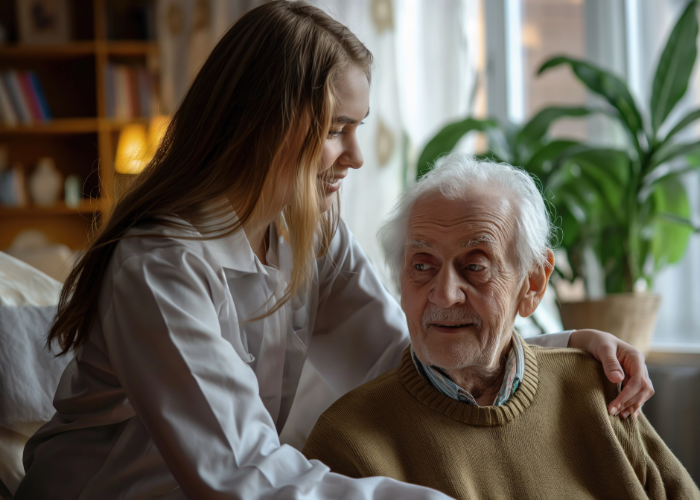
Parents caring for children, adults supporting elderly family members, healthcare workers assisting patients, and community volunteers helping vulnerable individuals are all engaged in care work. Despite its importance, much care work remains undervalued and underappreciated.
Recognizing care work means acknowledging its contribution to society and ensuring caregivers receive respect, support, and fair compensation when applicable. When care work is valued properly, more people are encouraged to participate in caregiving, leading to a more balanced distribution of responsibilities.
Addressing Gender Inequality in Caregiving
Gender inequality remains one of the biggest barriers to care equality. In many societies, women continue to perform a larger share of caregiving duties compared to men. This often includes childcare, household management, elder care, and emotional support.
While caregiving is valuable, unequal distribution of responsibilities can limit educational and career opportunities for women. It can also contribute to stress and financial dependence.
Promoting gender equality in caregiving requires challenging outdated stereotypes and encouraging shared responsibilities within households. Men should be actively involved in caregiving activities, and workplaces should support both men and women in balancing professional and family commitments.
When caregiving responsibilities are shared equally, families become stronger, relationships improve, and individuals have greater opportunities to pursue personal and professional goals.
Improving Access to Healthcare
Healthcare is a critical component of care equality. Every individual should have access to quality healthcare services regardless of income, location, or social status.
Barriers such as high costs, long travel distances, and limited healthcare facilities can prevent people from receiving the care they need. These challenges often affect vulnerable populations the most.
Improving healthcare access requires investment in medical infrastructure, affordable healthcare programs, preventive care initiatives, and community health services. Technology can also play an important role by expanding access to telemedicine and online health consultations.
Accessible healthcare helps prevent illness, supports early diagnosis, and improves overall quality of life. It is one of the most effective ways to promote care equality and peaceful living.
Supporting Family Caregivers
Family caregivers provide essential support to loved ones who are ill, elderly, or living with disabilities. While caregiving can be rewarding, it can also be physically and emotionally demanding.
Many family caregivers face financial strain, social isolation, and mental health challenges. Without adequate support, caregiving responsibilities can become overwhelming.
Providing resources such as caregiver training, respite care services, financial assistance, and counseling can make a significant difference. Communities and governments should recognize caregivers’ contributions and ensure they have access to the support they need.
Supporting caregivers improves their well-being and enhances the quality of care they provide, benefiting both caregivers and care recipients.
Ensuring Affordable Childcare Services
Affordable childcare is essential for care equality. Many parents struggle to balance work responsibilities with childcare needs, especially when childcare services are expensive or unavailable.
Access to affordable and high-quality childcare allows parents to participate in the workforce, pursue education, and maintain financial stability. It also provides children with opportunities for early learning and social development.
Investing in childcare programs benefits families, employers, and society as a whole. It reduces stress for parents and creates a more supportive environment for children to thrive.
Promoting Mental Health Support
Mental health is an important aspect of care that is often overlooked. Emotional well-being affects every area of life, including relationships, work performance, and physical health.
Many individuals face barriers when seeking mental health support, including stigma, lack of awareness, and limited access to services. These challenges contribute to care inequality and can prevent people from receiving timely assistance.
Expanding mental health services, increasing public awareness, and encouraging open conversations about emotional well-being can help address these issues. Mental health support should be accessible, affordable, and available to everyone.
A society that prioritizes mental health creates a healthier and more peaceful environment for all.
Building Stronger Communities Through Care
Communities play a vital role in promoting care equality. Strong communities provide support networks that help individuals navigate challenges and access resources.
Community centers, volunteer programs, support groups, and local initiatives can connect people with the assistance they need. These programs foster social connections and reduce feelings of isolation.
When community members support one another, trust and cooperation increase. This sense of belonging contributes to emotional well-being and strengthens the social fabric of society.
Encouraging Inclusive Policies
Governments and organizations have an important role in creating policies that promote care equality. Inclusive policies can help address systemic barriers and ensure that care services are accessible to all individuals.
Examples include paid family leave, flexible work arrangements, affordable healthcare programs, caregiver support initiatives, and disability inclusion measures. These policies create opportunities for people to balance caregiving responsibilities with other aspects of life.
Inclusive policies also promote fairness and reduce inequalities that contribute to social and economic challenges.
The Role of Education in Promoting Care Equality
Education is a powerful tool for creating awareness about care equality. Schools, workplaces, and community organizations can help individuals understand the importance of shared caregiving responsibilities and equal access to care.
Educational programs can challenge stereotypes, promote empathy, and encourage respectful relationships. They can also provide practical information about caregiving skills, health management, and support resources.
By fostering understanding and compassion, education helps build a culture that values care and equality.
Leveraging Technology for Better Care
Technology has the potential to improve care accessibility and efficiency. Digital health platforms, telemedicine services, caregiving apps, and online support communities can help individuals access care and information more easily.
Technology can also reduce geographic barriers by connecting people with healthcare providers and support networks regardless of location. For caregivers, digital tools can simplify scheduling, communication, and resource management.
While technology is not a complete solution, it can complement traditional care systems and contribute to greater care equality.
Creating a Culture of Empathy
Empathy is the foundation of care equality. It involves understanding and respecting the experiences and needs of others. When empathy is present, people are more likely to offer support, advocate for fairness, and work together to solve challenges.
Creating a culture of empathy begins with everyday actions. Listening to others, showing kindness, and recognizing different perspectives can strengthen relationships and promote social harmony.
Empathetic communities are more resilient, inclusive, and peaceful. They create environments where individuals feel valued and supported.
Looking Towards the Future
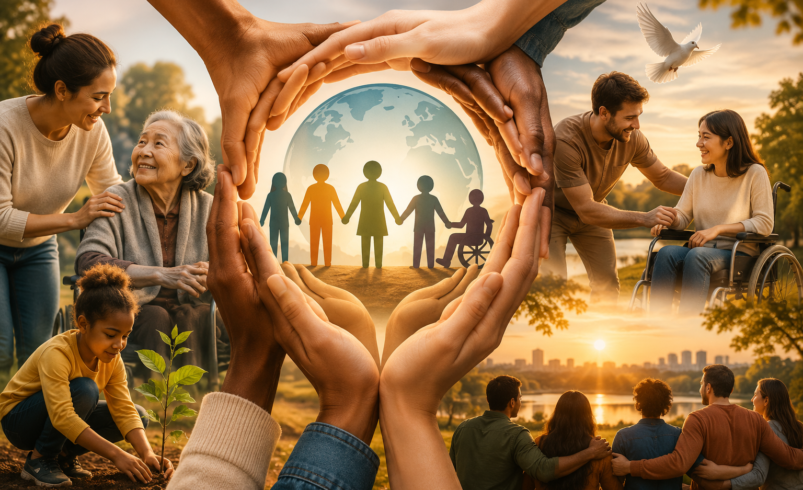
The journey towards care equality requires collective effort. Governments, businesses, communities, families, and individuals all have a role to play in creating a fair and supportive society.
Progress may take time, but every step matters. Whether it involves supporting a family caregiver, advocating for better healthcare policies, volunteering in the community, or promoting gender equality, each action contributes to positive change.
By working together, we can create systems that prioritize care and ensure that no one is left behind. A future built on care equality is one where people can live with dignity, security, and peace.
Conclusion
Care equality is essential for building a peaceful and thriving society. It ensures that everyone has access to the support they need while promoting the fair distribution of caregiving responsibilities. From healthcare and childcare to mental health services and community support, care equality touches every aspect of life.
When care is valued, accessible, and shared fairly, individuals experience greater well-being and opportunities for growth. Families become stronger, communities become more connected, and society becomes more inclusive.
Achieving care equality is not only about addressing current challenges. It is about creating a future where compassion, respect, and mutual support guide our actions. By recognizing the importance of care and working together to eliminate inequalities, we can build a more peaceful and fulfilling life for everyone.