


Hip pain at night is a common problem that can make it difficult to get a full night’s sleep. Many people notice that the pain becomes stronger after lying down, making it hard to find a comfortable sleeping position. Poor sleep can affect your energy, mood, and ability to stay active during the day.
While occasional soreness may improve with rest, ongoing hip pain should not be ignored. Finding the cause early can help reduce pain and improve your quality of life. Many patients ask, “Why does my hip hurt at night?” The answer depends on the underlying cause, which may involve the joint, muscles, tendons, or nearby nerves.
What Causes Hip Pain at Night?
Many health conditions can lead to nighttime hip pain. In some cases, lying in one position places pressure on the hip joint, causing pain to become more noticeable. In other cases, inflammation or joint damage continues even while the body is resting. Age, physical activity, previous injuries, and certain medical conditions can all increase the risk of hip pain.
Identifying the exact cause is important because different conditions require different treatment approaches. Early diagnosis may help prevent the problem from becoming more severe. People searching for a hip pain specialist near me should choose a physician experienced in diagnosing joint, muscle, and nerve conditions.
Common Conditions Behind Nighttime Hip Pain
Several conditions may cause pain that interrupts your sleep. Some are related to the joint itself, while others involve nearby muscles or soft tissues. Common causes include:
- Hip bursitis
- Osteoarthritis
- Tendon inflammation
- Muscle strain
- Hip labral tear
- Sciatica
- Pinched nerves
- Previous hip injuries
Symptoms That May Need Medical Attention
Hip pain can feel different from one person to another. Some people notice a dull pain, while others experience sharp pain during movement or while changing sleeping positions. The pain may remain in the hip or spread into the thigh or lower back. People with hip pain at night often report waking several times because they cannot stay comfortable.
Some also develop stiffness after getting out of bed in the morning. If symptoms continue for several weeks or become more severe, it is important to seek medical evaluation. Common symptoms include:
- Pain while lying on one side
- Morning stiffness
- Pain during walking
- Reduced hip movement
- Tenderness around the hip
- Pain after physical activity
- Swelling near the joint
- Difficulty sleeping
Why Does Sleeping Position Matters?
Sleeping position plays an important role in hip pain. Many people experience hip pain when sleeping on the side because body weight places direct pressure on the affected joint. This pressure may irritate inflamed tissues and increase pain during the night.
Sleeping on your back with a pillow under your knees or placing a pillow between your knees while sleeping on your side may reduce pressure on the hips. A supportive mattress can also help improve spinal alignment and reduce stress on the joints.
How Do Doctors Diagnose Hip Pain?
Finding the exact cause of hip pain begins with a detailed medical history and physical examination. Your doctor will ask when the pain started, where it is located, and which activities make it better or worse.
Imaging studies such as X-rays, MRI scans, or ultrasound may be recommended to evaluate the bones, cartilage, tendons, and soft tissues. In some cases, additional testing helps rule out nerve-related conditions or other sources of pain. An accurate diagnosis allows treatment to focus on the underlying problem instead of only managing symptoms.
Nighttime Hip Pain Treatment Options
Treatment depends on the cause of the pain and how long the symptoms have been present. Many people improve with conservative care when treatment begins early. The goal is to reduce inflammation, improve joint movement, and help you sleep more comfortably. Patients looking for hip pain treatment Plano should receive a complete evaluation before starting treatment.
Identifying the exact source of pain allows your physician to recommend the most effective approach. In some cases, a combination of therapies provides the best results and helps prevent future flare-ups. Treatment options may include:
- Activity modification
- Physical therapy
- Anti-inflammatory medications
- Heat or cold therapy
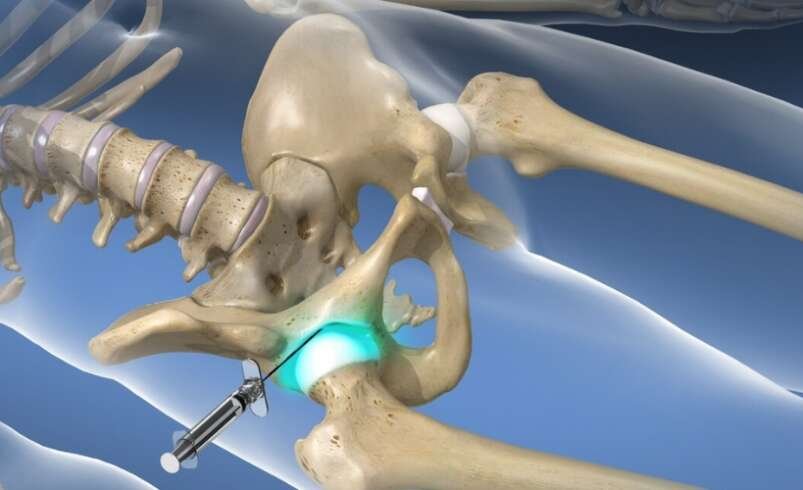
- Image-guided joint injections
- Regenerative medicine for selected patients
- Lifestyle changes to improve joint health
Home Tips to Sleep Better With Hip Pain
Simple changes at home may help reduce pressure on the hip joint and improve sleep quality. These steps work best for mild symptoms but should not replace medical care if the pain continues or becomes worse. Creating healthy sleep habits also supports recovery.
Using supportive pillows and avoiding positions that place direct pressure on the painful hip may help reduce nighttime pain. Regular stretching and gentle exercise during the day can also improve flexibility and joint function. Helpful tips include:
- Sleep on your back when possible.
- Place a pillow between your knees if sleeping on your side.
- Use a supportive mattress.
- Stretch your hips before bedtime.
- Avoid sitting for long periods.
- Maintain a healthy body weight.
- Stay physically active with low-impact exercise.
Conclusion
Hip pain at night can interfere with sleep, limit daily activities, and reduce your quality of life. Identifying the cause early allows treatment to begin before symptoms become more severe. Many people find significant improvement through non-surgical treatments and healthy lifestyle changes. If your hip pain continues or keeps waking you during the night, Dr. Rao K. Ali can help identify the cause and recommend effective treatment options. Early evaluation can help you move more comfortably and enjoy better sleep.
Frequently Asked Questions
Why is my hip pain worse only at night?
Nighttime pain often becomes more noticeable because there are fewer distractions, and lying in one position places pressure on the hip joint or surrounding tissues.
Can sleeping on my side cause hip pain?
Yes. Sleeping on the affected side may increase pressure on the joint, muscles, or bursa, making pain more noticeable during the night.
When should I see a hip pain doctor in Plano?
If pain lasts more than a few weeks, interrupts your sleep, limits movement, or becomes more severe, schedule an evaluation with a physician.
Can hip pain be treated without surgery?
Yes. Many patients improve with physical therapy, medications, activity changes, injections, and other non-surgical treatments. Surgery is usually considered only when conservative treatments have not provided enough relief.