

Property Inspection: Everything You Need to Know
Purchasing or selling a property is one of the most significant financial decisions you’ll make. Whether you’re buying your first home, investing in commercial real estate, or preparing a property for sale, a property inspection is a critical step that helps you make informed decisions.
A professional property inspection provides a detailed evaluation of a property’s physical condition. It identifies structural issues, safety hazards, plumbing and electrical defects, roof damage, HVAC concerns, and other problems that may not be visible during a casual walkthrough.
By understanding the true condition of a property before completing a transaction, buyers can avoid unexpected repair costs, sellers can increase buyer confidence, and investors can accurately estimate renovation expenses and long-term maintenance.
This comprehensive guide explains every aspect of property inspection, including its purpose, types, process, costs, benefits, and expert tips to help you protect your investment.
What Is Property Inspection?
A property inspection is a detailed visual assessment of a property’s structure, systems, and overall condition. It is performed by a qualified inspector who examines accessible areas of the property and prepares a written report highlighting defects, safety concerns, maintenance issues, and recommended repairs.
Unlike a property appraisal, which determines market value, a property inspection focuses on the physical condition of the building.
A standard property inspection typically includes:
- Foundation and structural components
- Roof and attic
- Exterior walls and siding
- Windows and doors
- Plumbing systems
- Electrical systems
- Heating and cooling (HVAC)
- Insulation and ventilation
- Interior walls, ceilings, and floors
- Basement and crawl spaces
- Garages and driveways
- Drainage and grading
- Decks, balconies, and patios
Why Is Property Inspection Important?
A property inspection helps buyers, sellers, landlords, and investors make informed decisions by revealing hidden issues before they become expensive problems.
Benefits for Buyers
- Detects hidden structural defects
- Identifies plumbing and electrical issues
- Estimates repair costs
- Improves negotiation power
- Reduces financial risk
- Provides peace of mind before closing
Benefits for Sellers
- Identifies issues before listing
- Builds buyer trust
- Speeds up the selling process
- Reduces last-minute negotiations
- Helps justify the asking price
Benefits for Investors
- Assesses renovation costs
- Evaluates long-term maintenance requirements
- Identifies safety concerns
- Supports better investment decisions
Types of Property Inspections
Different properties require different inspections depending on their condition and intended use.
1. Home Inspection
A general inspection for residential properties that covers all major systems and structural components.
2. Commercial Property Inspection
Designed for offices, warehouses, retail buildings, and industrial facilities. These inspections evaluate structural systems, fire safety, mechanical equipment, elevators, parking areas, and accessibility features.
3. Pre-Purchase Inspection
Conducted before buying a property to identify defects and estimate repair costs.
4. Pre-Listing Inspection
Requested by sellers before listing a property to identify and address issues in advance.
5. New Construction Inspection
Performed on newly built homes to verify construction quality, workmanship, and compliance with applicable building standards.
6. Pest Inspection
Focuses on termites, wood-destroying insects, rodents, and other pest-related damage.
7. Roof Inspection
Examines roofing materials, flashing, gutters, drainage systems, and the roof’s remaining service life.
8. Foundation Inspection
Evaluates settlement, structural movement, moisture intrusion, and visible cracks.
Complete Property Inspection Checklist
Exterior
- Roof condition
- Gutters and downspouts
- Exterior walls
- Windows and doors
- Driveways and walkways
- Garage
- Drainage and grading
- Fencing
- Decks and patios
Interior
- Walls
- Ceilings
- Floors
- Doors
- Windows
- Staircases
- Cabinets
- Built-in fixtures
Plumbing
- Water supply lines
- Drain pipes
- Water pressure
- Faucets
- Toilets
- Water heater
- Visible leaks
Electrical
- Electrical panel
- Circuit breakers
- Wiring
- Outlets
- Switches
- Ground fault protection
- Smoke detectors
HVAC
- Heating system
- Air conditioning
- Ductwork
- Ventilation
- Thermostat operation
Structural Components
- Foundation
- Basement
- Crawl space
- Load-bearing walls
- Roof framing
Step-by-Step Property Inspection Process
Step 1: Schedule the Inspection
Hire a qualified property inspector with relevant experience.
Step 2: On-Site Inspection
The inspector performs a visual assessment of all accessible areas. A typical residential inspection takes between two and four hours, depending on the property’s size and complexity.
Step 3: Documentation
The inspector records observations, takes photographs, and notes any deficiencies.
Step 4: Inspection Report
A comprehensive report is prepared, detailing:
- Observed defects
- Safety concerns
- Maintenance recommendations
- Estimated severity of issues
- Supporting photographs
Step 5: Review and Decision
The inspection report can be used to negotiate repairs, request seller concessions, or make informed decisions about proceeding with the purchase.
What Does a Property Inspector Check?
A property inspector evaluates accessible systems and components, including:
- Foundation and structural integrity
- Roof condition
- Attic insulation and ventilation
- Exterior cladding
- Windows and doors
- Plumbing fixtures and visible piping
- Electrical wiring and panels
- Heating and cooling systems
- Interior finishes
- Staircases and railings
- Garage and driveway
- Drainage around the property
- Safety devices such as smoke detectors
Inspectors generally do not perform destructive testing or inspect concealed areas that cannot be safely accessed.
Property Inspection Report Explained
A property inspection report is a detailed document that summarizes the property’s condition.
It generally includes:
- Property information
- Inspection date
- Areas inspected
- Photographs
- Observed defects
- Recommended repairs
- Maintenance advice
- Safety concerns
This report helps buyers understand potential repair costs and supports negotiations with sellers.
Common Problems Found During a Property Inspection
Property inspections frequently identify issues such as:
- Roof leaks
- Plumbing leaks
- Electrical hazards
- Foundation cracks
- Water damage
- Mold growth
- Inadequate insulation
- HVAC system wear
- Pest damage
- Poor drainage
- Window seal failures
- Damaged flooring
Identifying these issues early can reduce long-term repair costs.
Residential vs. Commercial Property Inspection
| Residential Inspection | Commercial Inspection |
|---|---|
| Homes and apartments | Offices, retail, warehouses |
| Focus on residential systems | Includes commercial mechanical systems |
| Usually completed in 2–4 hours | May require several hours or multiple days |
| Lower inspection cost | Higher inspection cost due to complexity |
How Much Does a Property Inspection Cost?
Inspection costs depend on factors such as:
- Property size
- Property type
- Age of the building
- Location
- Additional services (roof, sewer, pest, mold)
Although inspection costs vary, they are generally small compared with the potential cost of repairing major structural or system failures discovered after purchase.
Tips for Buyers
- Attend the inspection whenever possible.
- Read the report carefully.
- Ask questions about significant findings.
- Budget for future maintenance.
- Don’t rely solely on cosmetic appearance.
Tips for Sellers
- Repair obvious issues before listing.
- Keep utility services connected during the inspection.
- Provide access to all areas.
- Maintain records of repairs and maintenance.
- Consider a pre-listing inspection to reduce surprises.
Frequently Asked Questions
What is a property inspection?
A property inspection is a professional evaluation of a property’s physical condition to identify structural, mechanical, electrical, plumbing, and safety issues.
Is a property inspection mandatory?
Requirements vary by jurisdiction and lender, but inspections are strongly recommended because they help buyers and sellers make informed decisions.
How long does a property inspection take?
Most residential inspections take two to four hours, while larger or commercial properties may require more time.
Can a property fail an inspection?
Property inspections do not result in a pass or fail. Instead, they document the property’s condition and any issues observed.
Should buyers attend the inspection?
Yes. Attending the inspection allows buyers to ask questions and better understand the property’s condition.
Conclusion
A property inspection is one of the most valuable steps in any real estate transaction. Whether you’re buying a home, selling a property, or investing in commercial real estate, a professional inspection provides critical insight into the building’s condition and helps you make informed decisions.
By identifying hidden defects, evaluating major systems, and highlighting maintenance needs, a property inspection can reduce financial risk, improve safety, and strengthen negotiations. For buyers, it offers confidence before completing a purchase. For sellers, it builds trust and can help streamline the sales process. For investors, it supports accurate budgeting and long-term planning.
While no inspection can predict every future issue, a thorough assessment conducted by a qualified professional provides a reliable foundation for protecting your investment. Taking the time to schedule a property inspection today can save significant costs and prevent unexpected surprises in the future.
SEO Optimization Checklist
- Home inspection
- Building inspection
- Property inspection checklist
- Property inspection services
- Residential property inspection
- Commercial property inspection
- Property inspection report
- Home inspection cost
Suggested Schema Markup:
- Article Schema
- FAQ Schema
- HowTo Schema
- Breadcrumb Schema
- Organization Schema
- Author Schema
Recommended Internal Links:
- Home Buying Guide
- Property Valuation Guide
- Home Maintenance Checklist
- Real Estate Investment Tips
Suggested Image Alt Text:
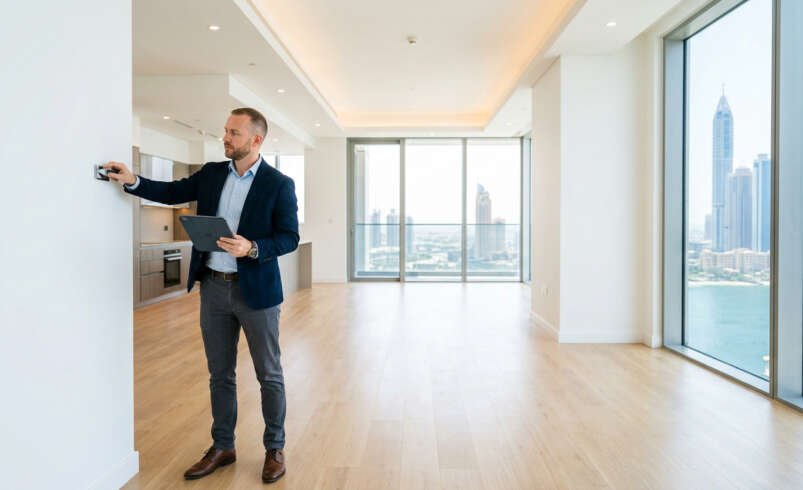
- Property inspector examining a home’s electrical panel
- Roof inspection during a home purchase
- Home inspection checklist on a clipboard
- Foundation inspection of a residential property
Call to Action:
Planning to buy, sell, or invest in real estate? Schedule a professional property inspection to gain a clear understanding of the property’s condition, identify potential issues early, and make confident decisions that protect your investment.