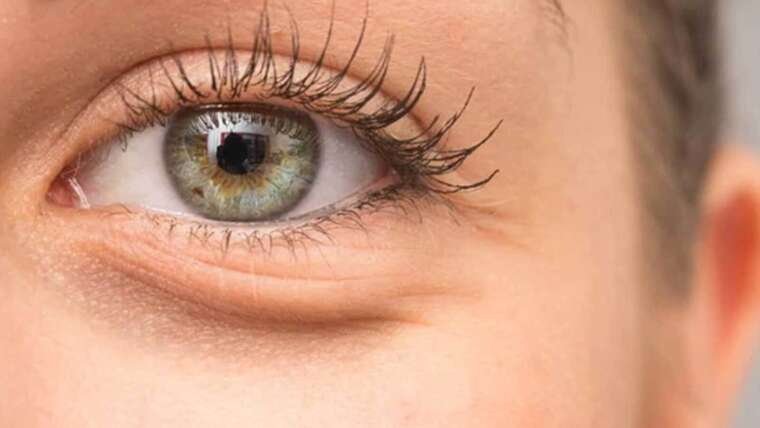

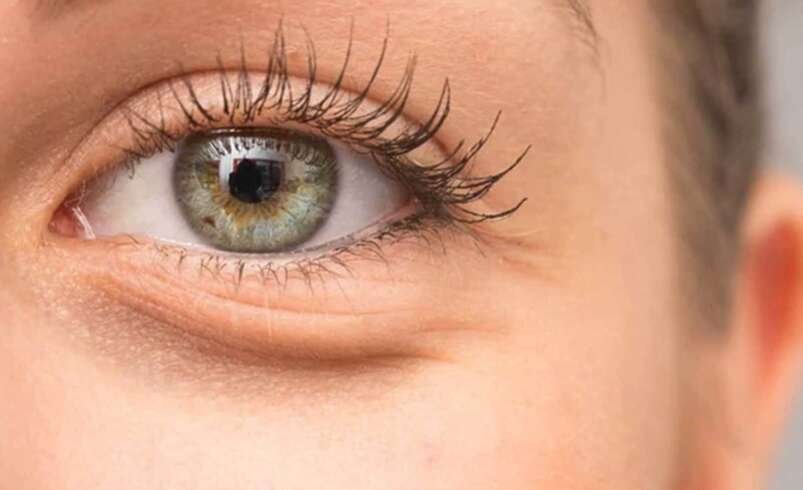

Under-eye bags are a common concern that can become more noticeable with age, although they can also be influenced by genetics, facial anatomy and changes in the tissues around the eyes. For some people, the appearance of puffiness or fullness beneath the eyes can make the face look tired or less defined, even when they feel well rested.
Lower Blepharoplasty in London is a surgical procedure designed to address changes affecting the lower eyelids. Depending on the individual’s anatomy, treatment may involve repositioning or adjusting fat, addressing excess skin, or refining the contour of the lower eyelid area.
Understanding how lower eyelid surgery works can help people considering treatment make an informed decision. At bodyvie clinic, patients can discuss their concerns with an experienced surgical team and explore whether Lower Eyelid Surgery In London may be appropriate for their individual needs.
What Is Lower Blepharoplasty?
Lower blepharoplasty is a form of eyelid surgery focused on the area beneath the eyes. The procedure is designed to improve the appearance of the lower eyelids by addressing anatomical features that contribute to under-eye bags and changes in the lower eyelid contour.
Under-eye bags are not always caused by excess skin alone. Fat compartments beneath the eyes can become more prominent, while changes in the supporting tissues may also influence the appearance of the area.
For this reason, lower blepharoplasty is carefully planned according to the patient’s individual anatomy.
What Causes Under-Eye Bags?
Under-eye bags can develop for several reasons. As the tissues around the eyes change over time, the fat that naturally exists around the eye can become more visible beneath the lower eyelid.
Skin can also lose some of its natural firmness, creating additional laxity in the lower eyelid area. The transition between the lower eyelid and cheek may become less smooth, making under-eye fullness more noticeable.
Genetics also play an important role. Some people naturally have prominent lower-eyelid fat pads or a particular facial structure that makes under-eye bags visible at a relatively young age.
Understanding the cause of the under-eye appearance is an important part of deciding whether surgery is appropriate.
How Does Lower Blepharoplasty Improve Under-Eye Bags?
The way lower blepharoplasty improves under-eye bags depends on what is contributing to their appearance.
When prominent fat is a major factor, the surgeon may adjust or reposition the fat to create a smoother lower-eyelid contour. In selected cases, excess skin may also be addressed.
The objective is generally to create a more balanced transition between the lower eyelid and the cheek rather than simply removing as much tissue as possible.
This approach allows treatment to focus on the specific anatomical features contributing to the patient’s concerns.
Lower Eyelid Surgery In London: What Can Be Addressed?
Lower Eyelid Surgery In London can address several features of the lower-eye area, depending on the patient’s anatomy and treatment plan.
These may include visible lower-eyelid fat, excess skin and changes in the contour between the eyelid and upper cheek.
A personalised assessment helps establish which features are most relevant. Two people may both describe their concern as “under-eye bags,” but the underlying anatomy can be quite different.
Consequently, the surgical approach may vary from one patient to another.
Can Lower Blepharoplasty Remove Under-Eye Bags Completely?
The goal of lower blepharoplasty is to improve the appearance of under-eye bags by addressing their anatomical causes. The degree of change depends on the individual’s existing anatomy and the tissues involved.
Surgery is not simply about removing every trace of fullness beneath the eyes. A balanced appearance is important because the lower eyelid naturally contains structures that contribute to facial contour.
The surgeon therefore plans treatment according to the patient’s features and the desired outcome discussed during consultation.
What Happens During a Lower Blepharoplasty Consultation?
A consultation is an important part of planning lower eyelid surgery. The surgeon examines the lower eyelids and surrounding facial structures and discusses the patient’s concerns.
The assessment may consider the amount of under-eye fullness, skin quality, lower-eyelid position and the relationship between the eyelid and cheek.
The surgeon can then explain which aspects of the lower eyelid may be addressed and what type of surgical approach may be suitable.
Patients can also use the consultation to ask questions about the procedure, preparation and recovery.
Transconjunctival and Skin-Based Approaches
There are different surgical approaches to lower blepharoplasty. The choice depends on the patient’s anatomy and what needs to be addressed.
A transconjunctival approach involves accessing the lower-eyelid fat through the inside of the lower eyelid. This approach may be considered when the primary concern relates to lower-eyelid fat and there is limited excess skin.
A skin-based approach may be considered when excess lower-eyelid skin also needs to be addressed. The exact technique is selected following an individual assessment.
The most appropriate method is therefore not the same for every patient.
How Fat Repositioning Can Improve the Under-Eye Contour
Modern lower blepharoplasty can involve repositioning existing fat rather than simply removing it.
The area between the lower eyelid and cheek can sometimes appear uneven because of a combination of fullness and hollowing. Carefully repositioning fat can help create a smoother transition between these areas.
This approach focuses on the overall contour of the under-eye region rather than treating the visible bag as an isolated feature.
The technique used depends on the patient’s anatomy and the surgeon’s assessment.
What Role Does Excess Skin Play?
Excess lower-eyelid skin can contribute to a loose or creased appearance beneath the eyes. When skin laxity is an important component of the patient’s concern, the treatment plan may include addressing the excess skin.
However, the amount of skin requiring treatment varies considerably between individuals.
The aim is to achieve an appropriate lower-eyelid contour while maintaining harmony with the surrounding facial features.
Who May Consider Lower Blepharoplasty?
Adults who are concerned about persistent under-eye bags or changes in the lower eyelid may consider lower blepharoplasty.
People may explore treatment when under-eye fullness is associated with prominent fat, excess skin or changes in the lower-eyelid contour.
A consultation is necessary to determine whether surgery is suitable because the appearance of under-eye bags can have different causes.
Is Lower Blepharoplasty Only for Older Adults?
No. Although age-related changes are a common reason people consider lower eyelid surgery, under-eye bags can also be influenced by inherited anatomy.
Some younger adults naturally have prominent lower-eyelid fat or a distinct under-eye contour. In these cases, the concern may exist independently of significant age-related skin changes.
Age is therefore only one consideration. The patient’s anatomy and treatment goals are more important when determining suitability.
Why Is Facial Anatomy Important?
The lower eyelids are closely connected to the cheeks, midface and surrounding tissues. Treating the under-eye area without considering these relationships may not produce the intended overall contour.
During an assessment, the surgeon can evaluate how the lower eyelid transitions into the cheek and determine which anatomical features contribute to the patient’s appearance.
This detailed evaluation helps guide the surgical plan.
Choosing a Blepharoplasty Clinic in London
Selecting an appropriate Blepharoplasty Clinic in London is an important part of the treatment journey.
Patients should look for a clinic where lower eyelid surgery is approached as an individual procedure rather than applying an identical technique to every patient.
A thorough consultation should provide an opportunity to discuss the patient’s concerns, examine the lower eyelid area and establish an appropriate treatment plan.
At bodyvie clinic, patients considering lower eyelid surgery can discuss their concerns and learn more about the surgical options that may be suitable for their individual anatomy.
What Should Patients Ask Before Lower Eyelid Surgery?
A consultation is an opportunity to ask detailed questions before making a decision. Patients may want to understand what is causing their under-eye bags and which aspects of the lower eyelid the proposed procedure is intended to address.
It is also useful to ask about the surgical technique, preparation, recovery and the expected changes following treatment.
Understanding these details can help patients approach the procedure with clear and realistic expectations.
How Is the Treatment Planned?
Treatment planning begins with an assessment of the lower eyelids and surrounding structures. The surgeon considers the amount of skin, the position and prominence of fat, the lower-eyelid contour and the relationship with the cheek.
The patient’s goals are also taken into consideration.
Based on these factors, the surgeon can determine whether lower blepharoplasty is appropriate and which surgical approach may best address the specific concern.
What Is the Recovery Process Like?
Recovery following lower blepharoplasty varies from person to person. The surgical team provides individual instructions covering the early recovery period and when normal activities can gradually be resumed.
Patients should follow the aftercare guidance provided by their surgical team and attend any recommended follow-up appointments.
Understanding the recovery process before surgery can help patients plan their schedule appropriately.
Why Individual Expectations Matter
A successful treatment plan begins with a clear understanding of what the patient wants to change. Some people are primarily concerned about puffiness, while others may be more concerned about excess skin or the transition between the lower eyelid and cheek.
These differences matter because lower blepharoplasty is not a single-purpose procedure performed in exactly the same way for everyone.
An individual consultation allows the surgeon to understand these priorities and develop an appropriate surgical plan.
Conclusion
Lower Blepharoplasty in London can provide a surgical approach for people concerned about persistent under-eye bags, lower-eyelid fullness or excess skin. By assessing the underlying anatomy, a surgeon can determine whether the appearance is primarily related to fat, skin, or the overall contour of the lower eyelid and cheek.
Treatment may involve adjusting fat, repositioning tissue, addressing excess skin or combining techniques according to the individual’s needs. The objective is to create a more balanced lower-eye contour that fits naturally with the patient’s facial anatomy.
For people considering Lower Eyelid Surgery In London, an individual consultation at a reputable Blepharoplasty Clinic in London, such as bodyvie clinic, can provide an opportunity to understand the available treatment options and determine whether lower blepharoplasty is suitable.
FAQs
What is lower blepharoplasty?
Lower blepharoplasty is eyelid surgery designed to address concerns affecting the lower eyelids, including prominent under-eye fat, excess skin and changes in the lower-eyelid contour.
How does lower blepharoplasty improve under-eye bags?
Depending on the cause, surgery may involve adjusting or repositioning lower-eyelid fat and addressing excess skin. The treatment is planned according to the individual’s anatomy.
Can lower blepharoplasty address both bags and excess skin?
Yes. When both prominent lower-eyelid fat and excess skin contribute to the appearance, the surgical plan may address both areas.
Is lower eyelid surgery suitable for younger people?
Younger adults may also consider lower blepharoplasty when prominent under-eye bags are related to their natural anatomy. Suitability is determined through an individual consultation.
What is fat repositioning in lower blepharoplasty?
Fat repositioning involves moving existing lower-eyelid fat to help create a smoother transition between the lower eyelid and cheek rather than simply removing the fat.
How long does lower blepharoplasty take?
The duration varies depending on the surgical technique and whether other procedures are performed at the same time. The surgeon can provide a more specific estimate during the consultation.
How should I choose a Blepharoplasty Clinic in London?
Consider a clinic that offers individual assessments, experienced surgical care and personalised treatment planning. A consultation allows you to understand whether lower blepharoplasty is appropriate for your specific concerns.
What should I discuss during my consultation?
You should explain what concerns you about your under-eye area and discuss your desired outcome. You can also ask about the proposed technique, preparation, recovery and expected changes.
Is lower blepharoplasty the same for every patient?
No. The procedure is tailored to the patient’s anatomy. The amount of skin, prominence of fat and relationship between the lower eyelid and cheek can vary significantly between individuals.