

Severe weather events never happen on a convenient schedule or wait for you to be financially prepared. High winds, heavy thunderstorms, and sudden hail can strike your property with devastating force, leaving your exterior defences severely compromised in a matter of minutes. When the sky finally clears and the wind dies down, the true threat to your property actually begins. A breached exterior envelope is not a problem that can wait for a few weeks while you gather estimates; it is an active, ongoing crisis that threatens the entire structural integrity of your home. Time becomes the single most critical factor in preventing thousands of pounds in secondary interior damage.
Water is remarkably relentless and incredibly destructive when it bypasses your exterior defences. Once asphalt shingles are torn away or metal flashing is bent out of shape, moisture immediately begins seeking a downward path inward. It seeps into the wooden structural decking, saturates the synthetic underlayment, and eventually finds its way directly into your attic insulation. Wet insulation loses all its thermal properties immediately, but worse, it becomes a heavy, damp sponge resting directly on your delicate ceiling drywall. What starts as a small missing shingle on the outside can quickly manifest as a massive brown water stain expanding aggressively across your living room ceiling.
The financial and structural risks compound exponentially if action is delayed by even a few days. In damp, dark spaces like an enclosed residential attic, mould colonies can begin to form and spread in as little as forty-eight hours after the initial water intrusion. Once mould establishes a solid foothold in the wooden framing of your house, remediation becomes a highly expensive, toxic, and invasive process. Furthermore, trapped moisture causes your structural timber to swell, warp, and eventually rot completely through. A fast response stops this destructive chain reaction before it can gather momentum, saving your entire structural framing from irreversible decay.
Personal safety must always be your immediate priority following a major weather event. You should absolutely never climb a wet, damaged structure to assess the situation yourself. Slips and falls account for severe homeowner injuries every single year, turning a property problem into a medical crisis. Instead, you should conduct your initial visual inspection from the safety of the ground. Walk carefully around the perimeter of your house and look for obvious signs of structural distress. Check the grass for torn materials, examine the gutters for heavy denting, and look closely at the visible rooflines for any unusual unevenness or sagging sections.
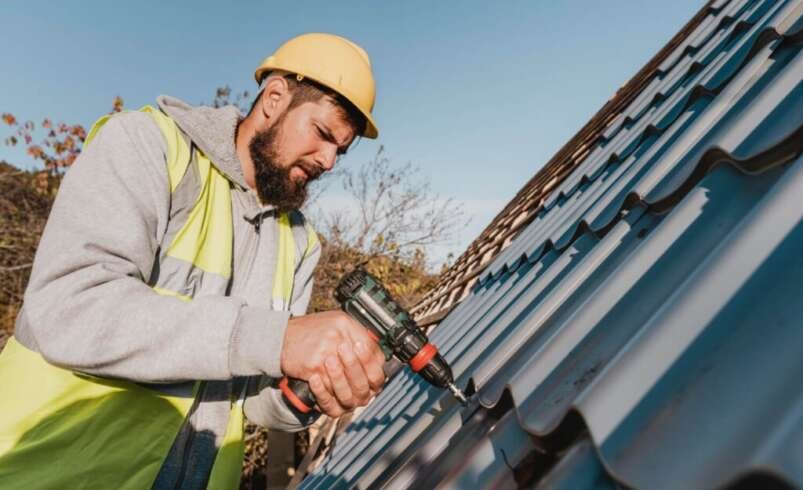
If you spot any irregularities, or if you actively see water dripping inside your home, you must secure professional intervention immediately. Calling for Emergency Roof Repair in Philadelphia is the exact step that separates a minor inconvenience from catastrophic property damage. Professional rapid response teams arrive with the specialised equipment and technical expertise needed to safely stop the bleeding. They will apply heavy-duty, waterproof tarps over the vulnerable sections, creating a highly secure temporary barrier that holds back the elements while a permanent structural solution is planned.
Documenting the damage is also a highly essential step in the recovery process, particularly for your upcoming insurance claim. Before any debris is cleared away from the lawn or driveway, take clear photographs from multiple angles using your phone. When the rapid response team arrives, ask them to take detailed pictures of the physical damage from above. Insurance companies require comprehensive, undeniable evidence to process your financial claim efficiently. Having a professional contractor on site who understands these strict documentation requirements will make your dealings with the insurance adjusters significantly smoother.
Temporary waterproof fixes are just the beginning of the recovery phase. Once the property is dried out and fully secured against the next rainstorm, a full technical evaluation must take place. The structural wooden decking must be tested for hidden rot, the underlayment must be completely replaced, and the new exterior materials must be integrated perfectly with the surrounding surface. A patched section must perform just as well as a brand new installation; otherwise, the next heavy rainstorm will simply exploit the hidden weak points left behind by poor workmanship. Taking rapid, decisive action is the only way to protect your largest financial asset from total ruin.
Conclusion
Weather-related property damage is a highly time-sensitive crisis that demands an immediate, professional, and targeted response. By securing the physical breach quickly, you prevent rainwater from destroying your insulation, rotting your timber, and feeding dangerous mould growth inside your walls. Fast action preserves your overall property value and keeps your family safe from severe secondary complications.
Call to Action
Do not wait for the next rainstorm to find out how bad the structural damage truly is. Contact our rapid response team today for immediate structural securement and a comprehensive, honest damage evaluation.
Visit: https://www.discountedroofingllc.com/