

Back, neck and shoulder tension is common in everyday life. Long periods at a desk, repetitive activities, poor posture, stress, and physical work can all contribute to muscle tightness.
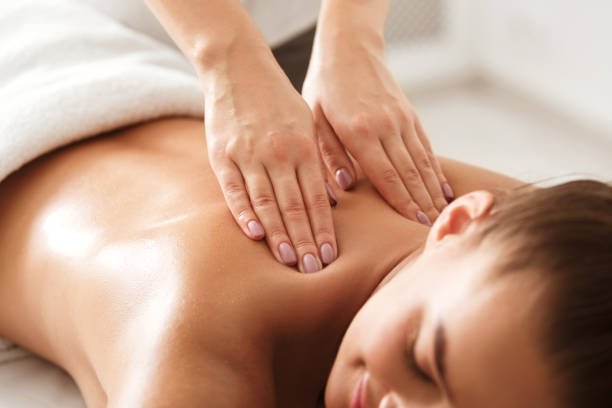
A back, neck and shoulder massage focuses on these areas using controlled pressure and massage movements. It is often used to encourage relaxation and ease feelings of muscle tension.
Massage can be part of general wellbeing, but it should not replace medical assessment when pain is persistent, severe, or accompanied by other symptoms.
What Is Back, Neck & Shoulder Massage?
Back, neck and shoulder massage is a targeted massage treatment focusing on the muscles around the upper body.
A therapist may use different techniques depending on the person’s comfort and requirements. These can include gentle rubbing, kneading, pressure, and longer massage movements.
The treatment can be adjusted according to how tense particular areas feel.
Why Do the Back, Neck and Shoulders Become Tense?
Several everyday factors can contribute to muscle tension.
Desk Work
Sitting at a computer for long periods can leave the neck and shoulders feeling stiff. Keeping the head in one position for extended periods may also contribute to discomfort.
The NHS notes that staying in the same neck position for long periods can contribute to neck problems.
Stress
Stress can have physical effects as well as emotional effects. Muscle tension and pain are among the physical symptoms that can occur with stress.
Physical Activity
Exercise, lifting, repetitive movements, and physically demanding work can place additional demands on the back and shoulder muscles.
What Happens During a Massage?
A session normally starts with a conversation about the treatment and the areas causing discomfort.
The therapist may ask about pressure preferences, previous injuries, and general health.
The treatment then focuses on the selected areas. Pressure can normally be adjusted during the session.
Communication is important. If a movement or pressure feels uncomfortable, the client should tell the therapist immediately.
Common Massage Techniques
Different techniques may be used during a back, neck and shoulder massage.
Gentle Strokes
Long, gentle movements can help warm the muscles and provide a relaxing start to treatment.
Kneading
Kneading involves applying controlled pressure to soft tissue. It may be used around larger muscle groups in the back and shoulders.
Circular Movements
Small circular movements can be used around areas where muscle tension is noticeable.
Targeted Pressure
A therapist may use more focused pressure on particular areas. The amount of pressure should remain appropriate for the individual.
Potential Benefits of Massage
Massage is commonly used as a complementary approach to relaxation and general wellbeing.
Potential benefits can include:
- Relaxation
- Reduced feelings of muscle tension
- Temporary relief from muscular discomfort
- Improved sense of wellbeing
- A calmer physical and mental state
- Help with relaxation after a busy day
NHS guidance from The Christie notes that massage may help relaxation, sleep, tension, mood, and symptoms such as pain and fatigue in appropriate settings.
The effects can vary between individuals, and massage is not a guaranteed treatment for an underlying medical condition.
Back Massage
Back massage focuses on the muscles running along the back and around the shoulder blades.
People may choose this type of treatment after spending long periods sitting, standing, or performing physical activities.
Gentle massage may help some people feel more relaxed and reduce feelings of muscular tightness.
For ongoing back pain, professional assessment may be more appropriate. NHS guidance explains that manual therapy, including massage and movement by a trained professional, can be one treatment option for some back problems.
Neck Massage
Neck massage uses careful movements around the muscles of the neck and upper shoulders.
The neck is a sensitive area, so excessive pressure should be avoided.
People experiencing persistent neck pain should not rely only on massage. NHS guidance recommends seeking medical advice if neck pain does not improve after a few weeks or occurs with symptoms such as pins and needles or a cold arm.
Shoulder Massage
Shoulder massage focuses on the muscles around the shoulders and upper back.
It may be useful for people who experience everyday shoulder tightness from desk work, repetitive activities, or general stress.
The pressure should be adjusted according to comfort rather than assuming that stronger pressure is always better.
How to Prepare for a Massage
A few simple steps can make a session more comfortable.
Drink Water
Normal hydration is useful before and after physical treatments.
Avoid a Heavy Meal
A large meal immediately before treatment may feel uncomfortable, particularly when lying on a massage table.
Explain Any Concerns
Tell the therapist about areas that are painful, sensitive, or injured.
You should also mention relevant health conditions and medicines. NHS guidance recommends discussing complementary therapies with healthcare professionals where appropriate.
Communicate During Treatment
Let the therapist know if the pressure is too strong or uncomfortable.
Good communication allows the treatment to be adjusted during the session.
Is Back, Neck & Shoulder Massage Suitable for Everyone?
Massage is not suitable for every situation.
People with recent injuries, unexplained pain, significant medical conditions, or neurological symptoms should seek appropriate medical advice before treatment.
Massage should also be stopped if it causes increasing pain, numbness, weakness, or other unusual symptoms.
The NHS recommends seeking medical help for persistent or concerning neck and back symptoms rather than relying solely on complementary treatments.
Massage and Posture
Massage may help relax tight muscles, but it does not automatically correct the cause of poor posture.
People who spend many hours at a desk can also benefit from regular movement and changes in working position.
Simple habits include:
- Taking regular breaks
- Changing sitting positions
- Keeping the screen at a comfortable height
- Moving the neck and shoulders regularly
- Staying physically active
These habits can complement relaxation and massage.
How Often Should You Have a Massage?
There is no single schedule that works for everyone.
Some people may have occasional treatments for relaxation, while others may prefer regular sessions as part of their general wellbeing routine.
The appropriate frequency depends on the type of massage, individual response, lifestyle, and any underlying health issues.
A healthcare professional should be consulted when massage is being considered for an ongoing medical problem.
Frequently Asked Questions
What is a back, neck and shoulder massage?
It is a targeted massage treatment focusing on muscles around the back, neck, shoulders, and upper body.
Can massage help with muscle tension?
Massage may help some people relax and temporarily reduce feelings of muscle tension. Results vary between individuals.
Is deep pressure always better?
No. Stronger pressure is not necessarily more effective. Pressure should be suitable and comfortable for the individual.
Can massage treat neck pain?
Massage may provide relaxation or temporary relief for some muscular discomfort, but persistent neck pain may require professional assessment.
Should I tell the therapist about an injury?
Yes. Always mention recent injuries, health conditions, medicines, or unusual symptoms before treatment.
Final Thoughts
Back, neck and shoulder massage can be a useful relaxation option for people experiencing everyday muscle tension. It focuses on areas that commonly become tight through desk work, physical activity, stress, and repetitive movements.
The treatment should be comfortable and adapted to the individual. For persistent, severe, or unusual pain, professional medical advice is more appropriate than relying on massage alone.
Understanding the treatment, communicating with the therapist, and considering any relevant health concerns can help people make informed decisions about massage.