

Tendon and ligament injuries are among the most common challenges faced by horse owners, trainers, and veterinarians. These soft tissue injuries often require extended rehabilitation, careful management, and consistent monitoring before a horse can safely return to training or competition. Modern rehabilitation methods have evolved significantly, and the best equine laser therapy has become an important part of many recovery programs.
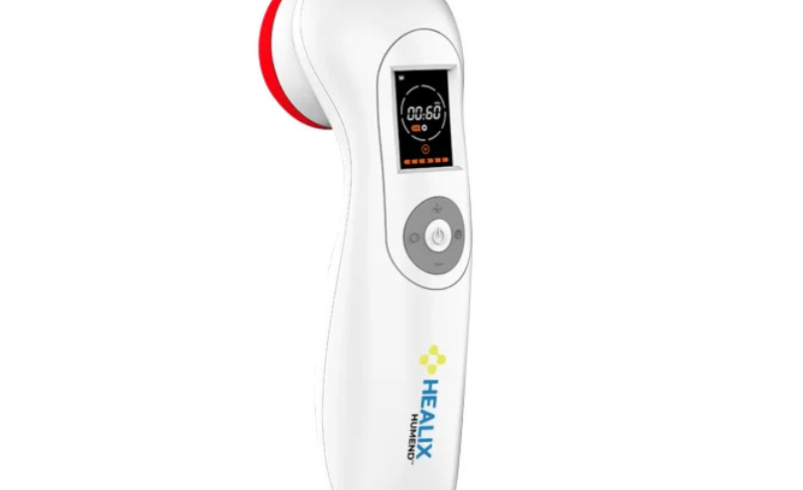
Healix Lasers Professional offers advanced laser therapy technology designed to support equine rehabilitation by promoting natural healing, reducing inflammation, and improving circulation. Whether treating performance horses, working horses, or companion animals, laser therapy provides a non-invasive solution that complements veterinary care.
Understanding Tendon and Ligament Injuries in Horses
Tendons and ligaments experience tremendous stress during daily movement, athletic performance, and competition. Sudden overexertion, repetitive strain, poor footing, or accidental trauma can damage these vital connective tissues.
Common equine soft tissue injuries include:
- Superficial digital flexor tendon injuries
- Deep digital flexor tendon damage
- Suspensory ligament injuries
- Check ligament strains
- Soft tissue inflammation around joints
Unlike muscles, tendons and ligaments have a relatively limited blood supply, which naturally slows the healing process. This is one reason rehabilitation often takes several months.
Why the Best Equine Laser Therapy Is Becoming a Preferred Choice
Veterinarians continue to incorporate laser therapy into rehabilitation plans because it offers a safe, drug-free method of supporting tissue repair.
The best equine laser therapy delivers specific wavelengths of light energy into damaged tissues. These light photons are absorbed by cells, encouraging cellular activity and supporting the body’s natural healing response.
Potential benefits include:
- Improved circulation
- Reduced inflammation
- Enhanced cellular metabolism
- Better oxygen delivery
- Support for collagen production
- Improved tissue flexibility
- Increased comfort during recovery
These advantages make laser therapy an excellent complement to rest, controlled exercise, and veterinary treatment.
How Laser Therapy Supports Tendon and Ligament Healing
Healing soft tissue injuries involves multiple stages, and laser therapy can support each phase of recovery.
Reduces Inflammation
Inflammation is the body’s immediate response after injury. Although necessary for healing, excessive inflammation may delay recovery and increase discomfort.
Laser therapy helps regulate inflammatory processes while supporting healthy tissue repair.
Encourages Healthy Blood Flow
Better circulation means more oxygen and nutrients reach damaged tissues. Improved blood flow also helps remove cellular waste products, creating an environment that supports healing.
Promotes Collagen Formation
Collagen is the primary structural protein found in tendons and ligaments. Proper collagen organization is essential for restoring tissue strength and flexibility.
Laser therapy encourages healthy collagen production, which may contribute to stronger tissue remodeling throughout rehabilitation.
Supports Cellular Energy
Laser energy stimulates cellular mitochondria, helping cells produce more ATP (adenosine triphosphate), the energy source needed for tissue repair.
Greater cellular energy can improve the efficiency of the healing process.
Choosing the Best Equine Laser Therapy System
Not every laser device offers the same performance. Veterinary professionals should consider several important factors before selecting equipment.
Therapeutic Wavelengths
Different wavelengths penetrate tissues at different depths. A quality system provides therapeutic wavelengths suitable for treating deep soft tissue injuries.
Adjustable Power Settings
Each injury requires individualized treatment. Adjustable power settings allow veterinarians to tailor therapy based on tissue type, injury severity, and recovery stage.
User-Friendly Design
Portable, lightweight equipment improves efficiency for both clinic and field use.
Safety Features
Professional laser systems should include safety mechanisms, protective eyewear, treatment presets, and reliable calibration.
Clinical Reliability
Choosing equipment from a trusted manufacturer ensures consistent performance and dependable long-term operation.
Why Professionals Choose Healix Lasers Professional
Healix Lasers Professional has earned recognition for delivering advanced laser therapy solutions that meet the needs of modern veterinary practices.
Key advantages include:
- Professional-grade laser technology
- Designed for equine rehabilitation
- Easy-to-use controls
- Portable system for barn and clinic treatments
- Reliable performance
- Supports drug-free rehabilitation
- Suitable for a wide range of musculoskeletal conditions
Veterinarians appreciate equipment that combines precision with ease of operation while delivering dependable therapeutic performance.
Integrating Laser Therapy Into a Recovery Program
Laser therapy works best as part of a comprehensive rehabilitation strategy developed by a veterinarian.
A complete recovery plan may include:
- Veterinary diagnosis
- Ultrasound monitoring
- Controlled exercise
- Stall rest when appropriate
- Progressive rehabilitation
- Nutritional support
- Regular laser therapy sessions
This integrated approach helps maximize healing while reducing the risk of reinjury.
Horses That May Benefit from Laser Therapy
The best equine laser therapy can support recovery for many types of horses, including:
- Racehorses
- Show jumpers
- Dressage horses
- Barrel racing horses
- Endurance horses
- Eventing horses
- Ranch horses
- Pleasure horses
Laser therapy is also valuable for older horses experiencing chronic soft tissue stress and reduced mobility.
Maintaining Long-Term Tendon Health
Recovery does not end once the injury appears healed. Proper conditioning and ongoing management are essential for preventing future injuries.
Horse owners should focus on:
- Gradual return to work
- Proper warm-up routines
- Balanced nutrition
- Regular hoof care
- Appropriate footing
- Scheduled veterinary evaluations
- Preventive rehabilitation sessions
Many professionals continue periodic laser therapy treatments as part of long-term performance maintenance.
Final Thoughts
Recovering from tendon and ligament injuries requires patience, expert veterinary guidance, and effective rehabilitation tools. The best equine laser therapy supports the body’s natural healing processes by encouraging circulation, promoting healthy tissue repair, reducing inflammation, and enhancing overall recovery. As more veterinary professionals adopt advanced rehabilitation techniques, laser therapy continues to play an increasingly valuable role in equine care. Healix Lasers Professional provides advanced laser therapy systems designed to help veterinarians, equine rehabilitation specialists, and horse owners deliver consistent, professional-quality treatments. By combining innovative technology with comprehensive rehabilitation practices, horses can receive the support they need to recover safely, return to activity with confidence, and maintain long-term musculoskeletal health.