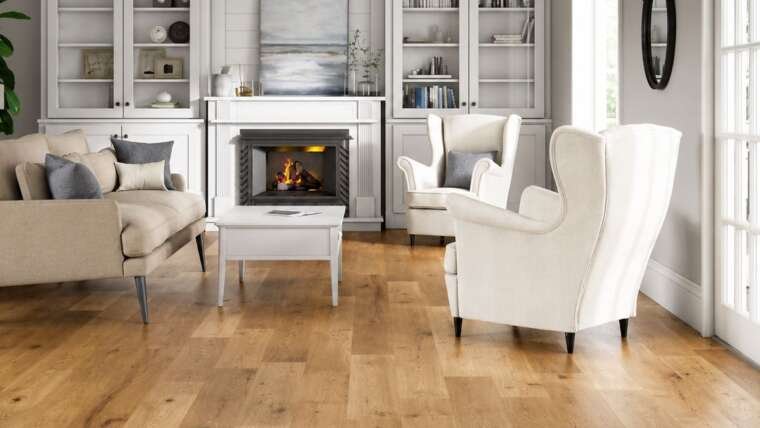
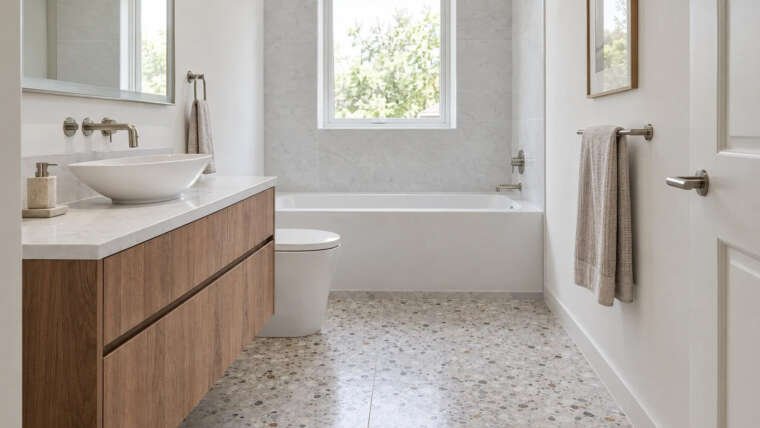
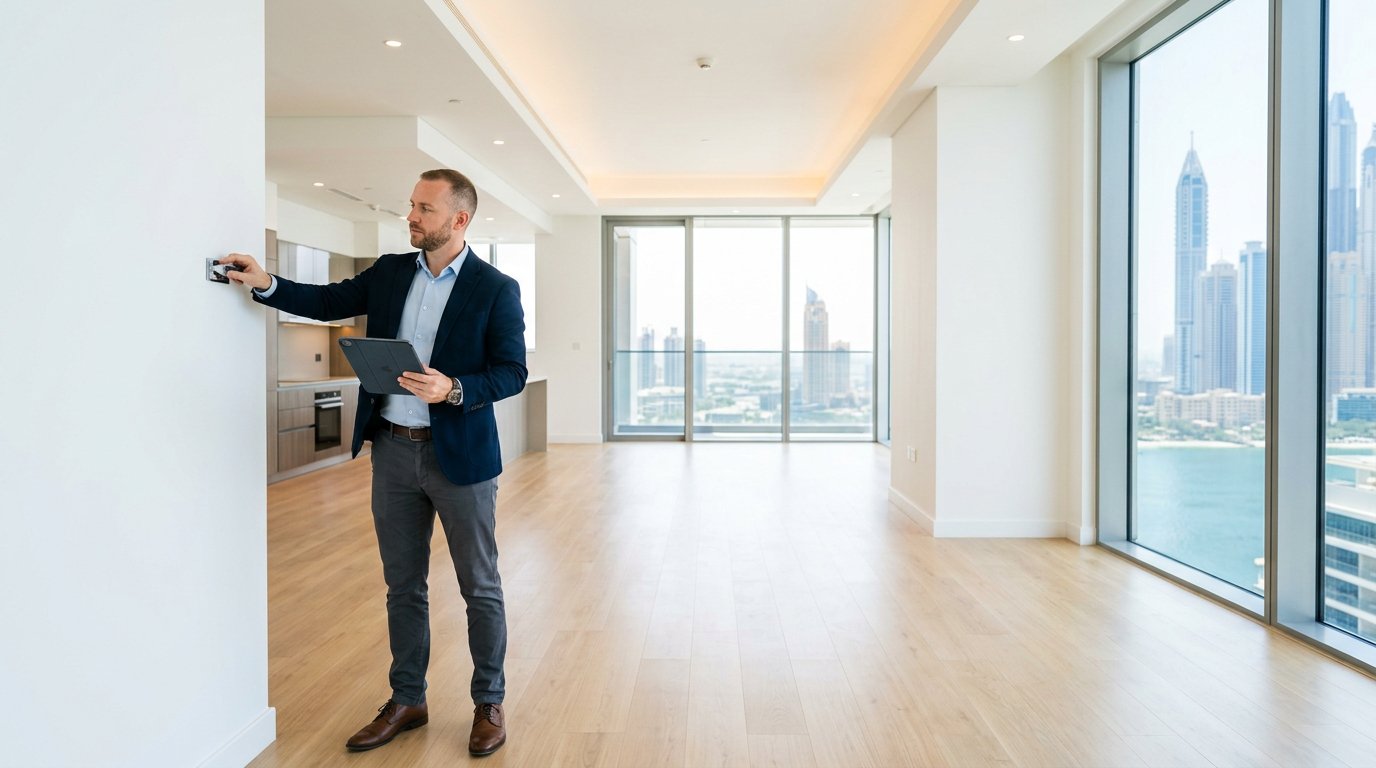
Engineered hardwood has become one of the most popular flooring choices for homeowners who want real wood beauty with fewer worries about humidity, subfloors, and seasonal movement. It looks like hardwood because it is hardwood on top, yet its layered construction gives it a stability that solid boards cannot always match. If you are researching engineered hardwood flooring San Jose residents can install in their homes, start with this practical guide on how to select engineered hardwood flooring that actually fits your home, then read on for a deeper look at construction, wear layers, installation, moisture, cost, and long term care. By the end, you will understand what separates a great engineered floor from an average one and what to ask before you buy.
What Engineered Hardwood Really Is
Engineered hardwood is made of layers. The top layer, called the wear layer or veneer, is genuine hardwood such as oak, maple, hickory, or walnut. Beneath it sits a core made of cross layered plywood, high density fiberboard, or a similar material. Sometimes a backing layer completes the plank.
Because the core layers run in different directions, the plank resists the expanding and contracting that natural wood does as humidity changes. That stability is the reason engineered planks can often be used in places where solid wood is risky, such as over concrete slabs or in homes with wider humidity swings. It is still wood, so it needs care, but it is more forgiving than many people expect.
Wear Layer Thickness Explained
The wear layer is the most important number to understand. It determines how many times the floor can be sanded and refinished, and it affects long term durability. A thicker wear layer gives you more room for future refinishing, while a very thin one may allow little or none.
Ask the store to tell you the exact wear layer thickness in millimeters, not just the overall plank thickness. A thick plank with a thin veneer is not the same as a thick plank with a generous veneer. Also ask about the finish, since factory finishes vary in toughness. If you want to see how engineered floors stay strong in daily life, this article explains why engineered hardwood is durable and scratch resistant.
Engineered Versus Solid
The choice between engineered and solid depends on your rooms, your subfloor, and your climate. Solid hardwood offers a long refinishing life in stable, above ground rooms. Engineered hardwood adds flexibility for slabs, basements with proper moisture control, and homes with humidity changes.
For a full comparison, review this difference between engineered and solid hardwood and this piece on choosing between engineered and solid hardwood for a San Jose home. Neither is universally better. The right pick is the one that matches your room conditions and your budget.
Species, Color, and Plank Style
Species influence hardness, grain, and color. White oak is a favorite for its clean, neutral look and works beautifully in modern and coastal homes. Red oak offers a warmer tone. Hickory and walnut deliver more dramatic contrast. Maple has a smooth, quiet grain.
Plank width changes the feel of your space. Wider planks create an open, upscale look, while narrower planks read as classic. Engineered construction helps wider planks stay stable, which is one reason wide plank styles are so common in engineered lines. Surface texture also matters. Brushed, scraped, and matte finishes hide daily wear better than glossy, smooth faces.
Brands and Collections
Flooring Outlet and More works with a range of brands and collections, including Parma Floors, Bergamo, Garrison, and Monarch Plank, and it is listed as a Mirage hardwood dealer. Stock changes, so ask the team what is available now. You can read more about the Monarch Plank hardwood story and the Bergamo collection to get a sense of style and quality before you visit.
Always compare the specifications, not only the photos. Two floors that look alike can differ greatly in wear layer, core construction, and finish.
Moisture, Humidity, and Bay Area Homes
Engineered hardwood handles humidity better than solid wood, but it is not waterproof. Standing water, leaks, and constant dampness can still cause edge swelling, delamination, and finish damage. The best results come from keeping indoor humidity in the range the manufacturer recommends and fixing leaks quickly.
If your home sits near the water or has higher humidity, this guide on why engineered hardwood works well in high humidity areas explains the reasoning. Also read about ideal humidity for hardwood floors and lifespan so you know what range to target and how to measure it.
Why You Should Acclimate Engineered Hardwood
Wood adjusts to the temperature and moisture of its surroundings. If planks are installed before they reach balance with your home, they can shrink or expand afterward, causing gaps or peaking. That is why manufacturers ask you to acclimate engineered hardwood before installation.
The time needed depends on the product and the conditions in your home. Store the boxes flat inside the room where they will be installed, at normal living temperature, and away from direct sun, vents, or damp spaces. Learn more in this explanation of why engineered hardwood needs to acclimate. Always follow the instructions that come with your specific product, since some manufacturers have different requirements.
Engineered Hardwood Installation Methods
Engineered planks can be installed by floating, gluing down, or nailing or stapling, depending on the product and the subfloor. Floating floors click or glue together at the edges and rest on an underlayment. Glue down installations bond directly to the subfloor and are common over concrete. Nail down methods work over wood subfloors.
For a walkthrough of the process, see this guide on how to lay engineered hardwood flooring. Good engineered hardwood installation also depends on a flat, dry, clean subfloor, correct expansion gaps, and staggered end joints. If you prefer expert help, Flooring Outlet and More provides installation by licensed contractors along with old flooring removal.
Common Problems and Fixes
Even a well installed engineered floor can show small issues. Squeaking usually points to subfloor movement, loose fasteners, or friction between planks, and this article explains the causes of engineered hardwood squeaking. Gaps often relate to humidity change or acclimation problems, and you can review how to fix gaps in an engineered hardwood floor.
Small scratches can often be touched up with products made for your finish, while deeper damage may need plank replacement. Keeping a few spare planks from the original lot makes repairs much easier.
Engineered Hardwood Refinishing
Whether you can refinish depends on the wear layer. Some engineered floors can be sanded and refinished once or more, while others cannot be sanded at all. Before planning engineered hardwood refinishing, confirm the wear layer thickness with the manufacturer, and hire someone who has experience with engineered products. Sanding too deep can expose the core and ruin a floor.
Often a light screen and recoat is enough to refresh a tired finish without full sanding. This is another reason to ask about the wear layer and finish type before you buy.
How Long Engineered Hardwood Lasts
Lifespan varies with wear layer thickness, room conditions, traffic, and care. In busy homes, quality matters even more, and this article on how long engineered hardwood lasts in a high traffic home gives a realistic picture. Regular cleaning, felt pads, entry mats, and humidity control all help extend the life of the floor.
Budget and Planning
Costs depend on species, wear layer, plank size, finish, and brand. Installation, underlayment or adhesive, trim, baseboards, removal of the old floor, and furniture moving add to the total. Ask for written quotes that itemize each part.
Do not choose solely on price. A slightly higher price for a thicker wear layer or a better finish may pay off over the life of the floor. On the other hand, a very expensive plank is not always right for a rarely used room. Balance the investment against your plans. If you are not sure how to start, the team offers free consultation, and you can contact Flooring Outlet and More to talk through options.
Buying Checklist
- What is the exact wear layer thickness?
- What is the core construction, and how does the manufacturer rate stability?
- Is the product approved for my subfloor, such as concrete?
- Which installation method does the manufacturer allow?
- Is radiant heat present, and is the product approved for it?
- What does the warranty cover, and what could void it?
- Is enough material available from the same lot?
- Have I viewed a large sample in my own lighting?
If your home has heated floors, review the radiant heat flooring compatibility guide before choosing.
Final Thoughts
Good engineered hardwood flooring San Jose homeowners choose is defined by a solid wear layer, a stable core, careful installation, and steady humidity. Understand the specifications, ask about acclimation and installation methods, plan for maintenance, and buy from a retailer who can answer your questions honestly. With the right product and preparation, engineered hardwood can give your home the warmth of real wood for many years without the constant worry that comes with more sensitive floors.
Frequently Asked Questions
Q: Is engineered hardwood real wood?
A: Yes. The top layer is genuine hardwood, and the core is layered wood or a similar material. That construction improves stability while keeping the natural look, grain, and feel of real hardwood on the surface.
Q: Can engineered hardwood be installed over concrete?
A: Often yes, if the slab is flat, clean, and tested for moisture. Many products allow glue down or floating methods over concrete. Always confirm the manufacturer’s requirements before installation.
Q: Is engineered hardwood waterproof?
A: No. It handles humidity better than solid wood, but standing water can damage it. Wipe spills quickly, fix leaks fast, and keep indoor humidity within the manufacturer’s recommended range to protect the floor.
Q: How many times can engineered hardwood be refinished?
A: It depends on the wear layer thickness. Some floors allow one or more refinishes, while very thin layers may allow none. Ask the manufacturer for the exact number before planning any sanding work.
Q: Do I need to acclimate engineered hardwood?
A: Yes, in most cases. Let the boxes sit in the room at normal living conditions for the time the manufacturer specifies. This helps prevent gaps, peaking, and other movement problems after installation.