
A cafeteria is an important part of any modern office, educational institution, or commercial establishment. It is a place where people take breaks, enjoy meals, interact with colleagues, and refresh themselves during busy schedules. However, creating a cafeteria that looks attractive while offering everyday comfort requires more than simply arranging tables and chairs. It involves thoughtful planning, suitable furniture, effective lighting, and a well-balanced interior design.
Professional interior designers understand how to combine aesthetics with functionality to create cafeterias that people enjoy spending time in. From selecting the right colour combinations to organising dining areas, every decision contributes to the overall experience. Let’s explore how professional designers transform ordinary cafeterias into inviting and comfortable spaces.
- Understanding the Purpose and Space Requirements
Before beginning the design process, professional designers evaluate how the cafeteria will be used. An office cafeteria may require spaces for quick lunches, informal meetings, and coffee breaks, whereas a restaurant-style corporate dining area may need larger seating arrangements.
Designers consider the number of people using the space, available floor area, movement requirements, and essential facilities. This information helps them develop a layout that supports daily activities without creating unnecessary congestion.
Understanding these requirements from the beginning ensures that the final design is practical and suitable for its users.
- Selecting Comfortable and Stylish Furniture
Furniture has a major influence on the appearance and comfort of a cafeteria. Professional designers carefully select tables, chairs, benches, and lounge seating based on the available space and interior theme.
Some commonly preferred options include:
- Ergonomic Dining Chairs: Provide comfortable seating and proper back support.
- Communal Dining Tables: Encourage interaction and group dining.
- Booth Seating: Create cosy spaces for small groups.
- High Counters: Offer convenient seating for quick meals.
- Lounge Furniture: Provide a relaxed environment for informal breaks.
Designers also consider furniture dimensions, durability, maintenance requirements, and material quality to ensure long-term usability.
- Creating a Welcoming Colour Combination
Colours influence the mood and atmosphere of an interior. A cafeteria should feel refreshing, cheerful, and comfortable rather than looking like a typical formal office space.
Professional designers often combine neutral shades with selected accent colours to create visual balance. White, beige, and light grey can make the space feel open, while green, yellow, and earthy tones introduce warmth and freshness.
Colour combinations can be incorporated through walls, furniture upholstery, ceiling designs, decorative panels, and accessories. A consistent colour scheme also helps the cafeteria blend with the overall workplace interior.
- Using Lighting to Improve the Atmosphere
Lighting is one of the most effective ways to make a cafeteria feel inviting. Poor lighting can make even an attractive interior appear dull, while a balanced lighting arrangement creates a pleasant dining environment.
Professional designers usually combine natural and artificial lighting wherever possible.
Large windows allow daylight to enter, making the space feel brighter and more open. Pendant lights above dining tables, recessed ceiling lights, and decorative fixtures can provide additional illumination.
The objective is to create comfortable lighting that supports dining activities while enhancing the visual appeal of the interior.
- Planning Functional Dining Zones
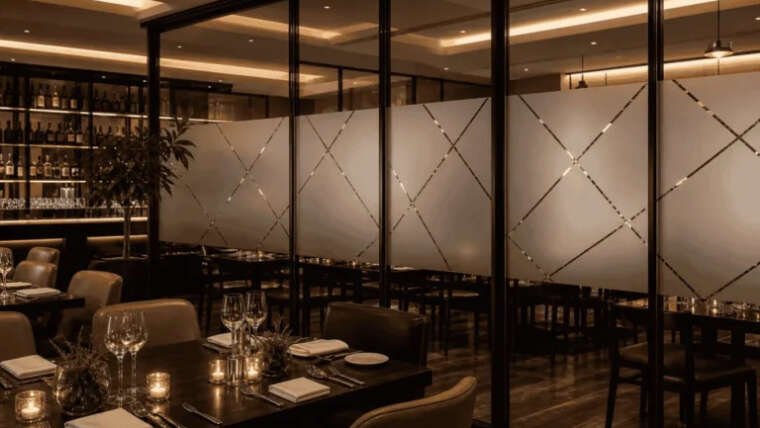
A well-designed cafeteria should accommodate different activities without making the space feel crowded. Professional designers achieve this by dividing the available area into functional zones.
For example:
- Dining Area: Dedicated space for regular meals.
- Coffee Corner: A convenient spot for tea, coffee, and refreshments.
- Casual Seating: Comfortable furniture for informal conversations.
- Quick Dining Section: Suitable for employees with shorter breaks.
- Food Service Counter: An organised area for food distribution and collection.
These separate zones improve movement, reduce congestion, and allow users to enjoy the space according to their preferences.
- Incorporating Natural Elements
Natural elements can make a cafeteria feel more refreshing and relaxing. Professional designers often use indoor plants, wooden textures, natural stone finishes, and greenery-inspired decorative features to create a connection with nature.
Indoor plants can be placed near windows, corners, or decorative partitions. Wooden furniture and earthy finishes add warmth to contemporary interiors.
These elements help soften the appearance of commercial spaces and create a more welcoming atmosphere.
- Ensuring Proper Ventilation and Hygiene
Comfort is not limited to furniture and visual appearance. Air quality, ventilation, and cleanliness are equally important in cafeteria design.
Designers consider ventilation requirements, especially in spaces where food is prepared or served. Proper airflow helps maintain a comfortable environment and prevents unwanted cooking odours from spreading throughout the area.
They also recommend easy-to-clean flooring, stain-resistant furniture materials, durable countertops, and conveniently positioned waste disposal facilities.
A design that supports regular cleaning makes daily maintenance easier and helps maintain hygiene standards.
- Adding Modern Features and Technology
Modern cafeterias increasingly incorporate technology to improve convenience and daily operations. Professional designers plan the necessary infrastructure to accommodate these requirements.
Features such as digital menu displays, self-service counters, charging points, automated beverage machines, and smart lighting controls can make cafeterias more efficient.
Electrical outlets, appliance connections, and cable arrangements should be planned carefully to maintain safety and avoid unnecessary clutter.
- Maintaining a Balance Between Style and Functionality
One of the biggest responsibilities of a professional designer is ensuring that visual appeal does not compromise usability. Attractive furniture, decorative lighting, and premium finishes should always support the practical requirements of the cafeteria.
Designers evaluate every element based on its purpose, durability, maintenance, and contribution to the overall environment.
A simple, organised design with carefully selected details often creates a more impressive result than an overcrowded interior with too many decorative features.
Conclusion
Creating an inviting and comfortable cafeteria requires careful attention to space planning, furniture selection, lighting, colour combinations, ventilation, and functionality. Professional designers bring these elements together to develop dining spaces that look attractive while supporting everyday requirements.
A thoughtfully designed cafeteria provides people with a comfortable place to enjoy meals, relax, and interact with others. By combining creative ideas with practical design solutions, businesses can create modern cafeteria interiors that enhance the overall workplace experience and leave a positive impression on everyone who uses the space.