
Introduction
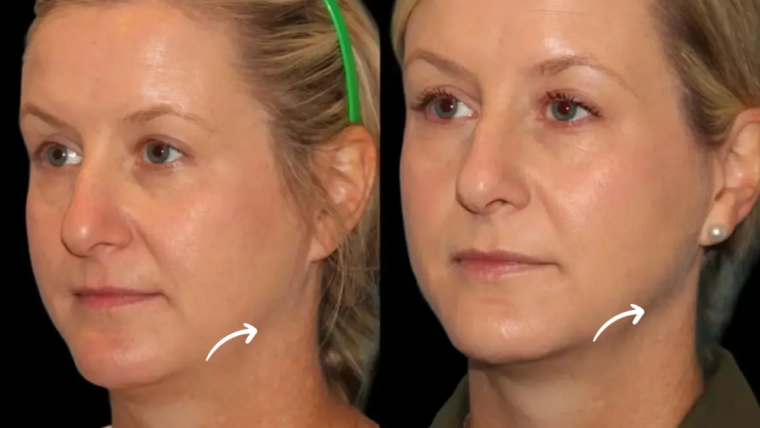
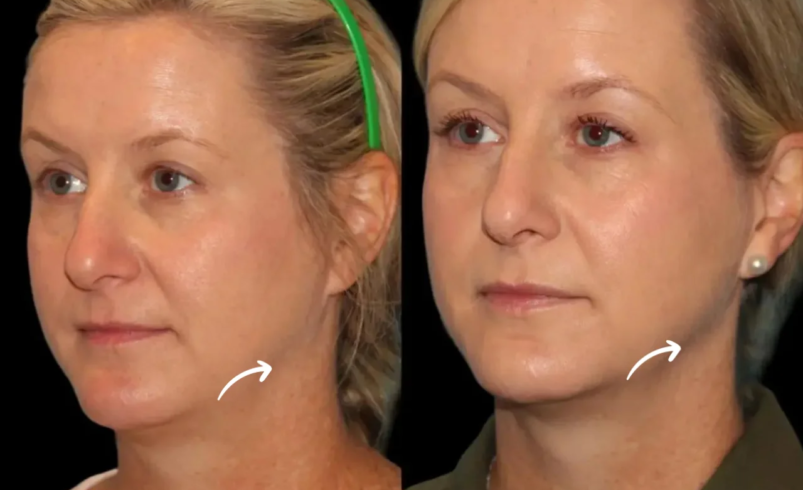
Skin rejuvenation involves more than reducing wrinkles or improving the appearance of fine lines. It focuses on maintaining skin quality, supporting facial structure, and addressing changes that naturally occur with age. As collagen production declines, the skin may gradually lose firmness and elasticity. Facial contours can become less defined, wrinkles may become more noticeable, and certain areas may develop visible volume loss. Modern aesthetic treatments offer different ways to address these concerns, including collagen-stimulating injectables such as Sculptra.
Choosing the Best Doctors in Dubai for an aesthetic procedure requires careful consideration of medical qualifications, practical experience, knowledge of facial anatomy, and an understanding of individual treatment goals. Sculptra is an option for selected individuals who want gradual improvements because it stimulates the body’s natural collagen production rather than relying exclusively on immediate volume replacement.
Understanding how this treatment works, which areas may benefit, and how it complements other rejuvenation procedures can help individuals make informed decisions. A personalized approach also helps establish realistic expectations and ensures that treatment recommendations are based on skin condition, medical history, and aesthetic suitability.
Understanding Sculptra and Its Role in Skin Rejuvenation
Sculptra is an injectable treatment containing poly-L-lactic acid (PLLA), a biocompatible and biodegradable synthetic material. It is designed to stimulate the body’s natural collagen production, helping improve selected signs of ageing over time.
Collagen is an essential structural protein that supports skin firmness, elasticity, and overall tissue structure. As natural collagen levels decline, the skin may become less firm, facial folds can become more prominent, and certain areas may lose their youthful appearance.
Unlike conventional hyaluronic acid fillers, which provide immediate volume, Sculptra works gradually. Its PLLA microparticles initiate a controlled biological response that encourages collagen formation. As the material gradually breaks down, the newly developed collagen can contribute to improvements in selected treatment areas.
How Collagen Stimulation Supports Healthy-Looking Skin
Collagen plays an important role in maintaining the skin’s structural support. When its production decreases, the skin may become thinner and less resilient. These changes can affect facial contours, contribute to visible wrinkles, and influence the overall appearance of the face.
Collagen stimulation offers a different approach to addressing these concerns. Instead of focusing only on filling individual lines, treatment aims to improve the underlying support of selected tissues.
The results develop progressively, and the degree of improvement varies according to individual collagen response, skin condition, and treatment planning. A suitable approach focuses on balanced improvements rather than attempting to change every visible sign of aging.
Sculptra Compared With Traditional Injectable Treatments
Traditional injectable treatments and collagen stimulators serve different aesthetic purposes. Hyaluronic acid fillers are commonly used to provide immediate volume, define selected facial contours, and soften particular folds. Sculptra is designed to encourage gradual collagen development.
Although the expression sculptra dermal filler is commonly used when discussing this treatment, its collagen-stimulating mechanism distinguishes it from conventional volume-restoring fillers.
The choice between these treatments depends on the concern being addressed. Some individuals may benefit from immediate volume correction, while others may be more suitable for gradual improvements in skin support. A qualified practitioner can explain the differences and recommend an appropriate option after evaluating the treatment area.
Best Sculptra Doctors in Dubai: The Importance of Professional Expertise
Selecting the Best Sculptra Doctors in Dubai involves considering clinical knowledge, relevant injectable-treatment experience, and an understanding of how collagen stimulation affects facial tissues. Sculptra requires careful planning because its results develop gradually and depend on appropriate product preparation, injection technique, and patient selection.
The best Sculptra doctors should understand facial anatomy, evaluate the distribution of volume loss, and identify areas where collagen stimulation may provide meaningful improvement. A thorough consultation should also cover medical history, previous aesthetic procedures, treatment expectations, and potential risks.
Understanding Facial Anatomy and Natural Proportions
Every face has unique structural characteristics. Bone structure, fat distribution, skin thickness, and natural facial proportions all influence how ageing develops.
For example, changes in cheek volume can affect the appearance of the midface, while reduced support in the lower face may influence jawline definition. Treating one area without considering its relationship with surrounding structures can produce an unbalanced result.
A practitioner should therefore assess the face as a whole before developing an injection plan. This approach helps maintain natural proportions and reduces the likelihood of unnecessary correction.
Consultation and Individualised Treatment Planning
A detailed consultation is an essential part of injectable treatment. It provides an opportunity to discuss aesthetic concerns, review medical history, identify possible contraindications, and establish realistic expectations.
The practitioner should explain how the treatment works, how many sessions may be appropriate, when improvements are expected, and which side effects or complications may occur.
Terms such as Celebrity Clinics in Dubai and Celebrity Doctors In Dubai are also associated with the city’s aesthetic industry. However, reputation and visibility should not replace careful evaluation of professional qualifications, relevant procedural experience, and patient safety practices.
Facial Areas That May Benefit From Sculptra
Facial ageing affects different areas in different ways. Some individuals experience reduced cheek volume, while others notice changes around the mouth, jawline, or neck. A comprehensive assessment helps identify the concerns that may respond to collagen stimulation.
Improving Cheek Volume and Midface Support
The cheeks contribute significantly to facial balance and overall proportions. With age, changes in collagen levels and facial fat distribution can make the midface appear flatter or less defined.
sculptra cheeks is a treatment-related term associated with collagen stimulation in the cheek region. Sculptra may help improve selected wrinkles and volume-related concerns through gradual collagen development.
Treatment planning should account for existing cheek structure, skin thickness, and the degree of volume loss. The aim is to support natural-looking facial contours without creating excessive fullness.
Understanding Facial Rejuvenation With Sculptra
The sculptra face approach focuses on addressing selected signs of facial ageing through collagen stimulation. Areas such as the cheeks, nasolabial folds, marionette lines, and other facial wrinkles may be evaluated according to individual needs and applicable product indications.
A balanced treatment plan considers how different facial areas relate to one another. Rather than treating every wrinkle independently, the practitioner assesses the overall distribution of volume and the condition of the skin.
This approach helps establish whether collagen stimulation, conventional fillers, or another aesthetic procedure may be more appropriate.
Improving the Appearance of Neck Skin
The neck can develop visible signs of ageing, including fine lines, crepey texture, and reduced firmness. These changes may occur alongside facial ageing and can influence the overall appearance of the face and neck.
sculptra for neck is a treatment consideration for selected individuals interested in improving neck skin quality. However, suitability depends on the applicable product instructions, regional regulatory approvals, skin condition, and the practitioner’s clinical assessment.
The neck has different anatomical characteristics from the face, so treatment should never be assumed suitable without an appropriate evaluation.
How Sculptra Complements a Comprehensive Rejuvenation Plan
Skin rejuvenation often involves addressing several concerns rather than focusing on one visible sign of ageing. Uneven texture, pigmentation, fine lines, reduced elasticity, and facial volume changes can all contribute to an aged appearance.
Sculptra may complement a broader aesthetic plan when collagen loss and selected volume-related concerns are among the primary treatment goals. Other procedures may be considered for concerns that collagen stimulation cannot adequately address.
For example, certain skin treatments focus on surface texture, while other procedures target pigmentation or more pronounced wrinkles. The choice and timing of treatments should be determined according to individual requirements.
Why Gradual Improvements Can Look Natural
One distinguishing characteristic of Sculptra is its gradual approach to rejuvenation. Since the treatment stimulates collagen production, visible improvements develop over time instead of appearing immediately after injection.
This progressive process may appeal to individuals who prefer subtle changes rather than a sudden difference in facial appearance. However, gradual development does not guarantee a particular result. The response varies according to individual biology, treatment area, and the recommended treatment course.
A well-planned procedure should prioritise facial harmony, appropriate correction, and the preservation of natural expressions.
Combining Treatments With Appropriate Timing
Different aesthetic procedures address different layers and characteristics of the skin. Combining treatments may sometimes improve overall results, but the procedures must be selected carefully.
The practitioner should consider the treatment sequence, healing periods, tissue response, and compatibility of the proposed procedures. Performing multiple treatments without appropriate planning may increase the possibility of irritation or unwanted complications.
A personalised treatment schedule helps ensure that each procedure has a clear purpose within the overall rejuvenation strategy.
Sculptra for Body Contouring and Other Treatment Areas
Although facial rejuvenation is a common focus, certain product versions and regional regulatory approvals also cover selected body applications. These procedures require separate consideration because body anatomy, injection techniques, and treatment objectives differ from facial treatments.
Understanding Collagen Stimulation in the Buttock Area
sculptra for buttocks is a treatment-related term associated with the use of collagen-stimulating injections in the gluteal region. Depending on applicable product instructions and clinical circumstances, treatment may be considered for selected concerns involving skin quality and certain contour irregularities.
The purpose of treatment should be clearly established before proceeding. Collagen stimulation should not be presented as equivalent to surgical buttock augmentation, and the degree of improvement varies between individuals.
What to Know About Buttock Injection Procedures
sculptra buttock injections require specialised knowledge of gluteal anatomy, appropriate injection placement, product preparation, and patient selection. Body applications may involve different product requirements and techniques from facial procedures.
Individuals should discuss the expected improvements, limitations, possible complications, and regulatory status of the proposed treatment. Previous procedures, existing asymmetry, and skin condition should also be reviewed.
Addressing Hip Dip and Contour Concerns
sculptra for hip dips is another treatment-related term associated with non-surgical contour procedures. Hip dips are natural inward curves along the sides of the hips. Their appearance is influenced by pelvic structure, muscle distribution, and natural fat patterns.
Collagen-stimulating treatments may be considered in selected cases involving certain contour irregularities. However, they cannot change underlying bone structure or guarantee a particular body shape.
Understanding Treatment Goals for the Gluteal Region
The term buttocks sculptra generally describes PLLA-based treatment in the gluteal area. Before considering this procedure, it is important to distinguish between concerns involving skin quality, cellulite appearance, mild contour irregularities, and significant volume deficiency.
These concerns may require different treatment approaches. A practitioner should explain the realistic possibilities and determine whether the proposed procedure is appropriate for the intended outcome.
Is This Treatment Suitable for Everyone?
sculptra filler for buttocks should only be considered following a detailed assessment by a practitioner qualified and experienced in the relevant body procedure.
Medical history, previous injections, skin condition, treatment expectations, and applicable product instructions all influence suitability. Individuals should not assume that a product or technique appropriate for facial use can automatically be applied to the body.
A consultation should clarify the treatment’s limitations, available alternatives, and potential complications before any procedure is performed.
Understanding Treatment Costs and Financial Considerations
The overall investment in an injectable procedure depends on several factors. These include the treatment area, amount of product required, number of sessions, practitioner expertise, and complexity of the treatment plan.
Understanding sculptra cost involves looking beyond the initial appointment. Since improvements develop gradually, the recommended treatment course may include multiple sessions depending on individual needs and response.
What Influences the Overall Treatment Price?
The sculptra price may vary according to the number of vials required, the size of the treatment area, and the clinical expertise involved. Facial treatments and body applications may also have different pricing structures because their techniques and product requirements can differ.
A transparent consultation should explain what the quoted amount includes, whether follow-up appointments are necessary, and whether additional sessions may be recommended.
Comparing treatment plans based on safety, clinical suitability, and practitioner qualifications is more useful than selecting a procedure solely because it has a lower price.
Safety Considerations and Aftercare
Sculptra is an injectable medical treatment and should only be administered by an appropriately qualified and trained practitioner. Although many individuals experience temporary injection-site reactions, the procedure also carries potential risks that should be discussed before treatment.
Common side effects include swelling, tenderness, redness, bruising, discomfort, itching, and bleeding around the injection site. Small lumps or nodules may also develop and can sometimes appear after a delay.
More serious complications, including vascular injury caused by accidental injection into a blood vessel, are possible. Prompt medical assessment is important if unusual pain, significant skin discolouration, or unexpected changes develop.
Treatment may need to be postponed if there is an active infection or inflammation in the intended area. A history of severe allergies, hypersensitivity to product ingredients, keloid formation, or hypertrophic scarring should also be discussed during consultation.
Safety has not been established for certain groups, including pregnant or breastfeeding individuals. A practitioner should review medical history and applicable product contraindications before recommending treatment.
Following Appropriate Aftercare Instructions
Aftercare plays an important role in the recovery process. Individuals should follow the specific instructions provided by their practitioner, including guidance about touching the treated area, strenuous physical activity, skincare products, and any recommended massage protocol.
Follow-up appointments may help assess the healing process and evaluate the gradual development of results. Patients should contact their practitioner if they experience persistent discomfort, increasing swelling, unusual lumps, or other concerning symptoms.
Sculptra Treatment at Perfect Doctors Clinic
At Perfect Doctors Clinic, treatment planning should begin with an understanding of individual aesthetic concerns, skin condition, and the suitability of collagen stimulation. Under the guidance of Dr. Perfect Celebrity, individuals can discuss their desired improvements, relevant treatment options, and the factors that influence a suitable procedure.
A consultation should include an assessment of facial proportions, existing volume changes, medical history, and previous aesthetic procedures. It should also provide clear information about the treatment process, expected timeline, possible risks, and limitations.
The objective of an individualised approach is to support natural-looking rejuvenation rather than create unnecessary changes in facial appearance. Every recommendation should be based on clinical suitability and informed expectations.
Conclusion
Sculptra offers a collagen-stimulating approach to addressing selected signs of ageing, making it an important consideration within modern skin rejuvenation. Rather than relying exclusively on immediate volume replacement, it encourages gradual collagen development that may improve the appearance of selected wrinkles, cheek areas, and other treatment concerns.
Its effectiveness depends on appropriate patient selection, an understanding of anatomy, correct injection techniques, and realistic expectations. Body applications also require separate assessment and consideration of applicable product instructions and regulatory approvals.
Choosing a qualified practitioner and discussing individual goals before treatment are essential steps toward a safe and appropriate aesthetic experience. With careful planning, Sculptra may complement a broader rejuvenation strategy while helping maintain balanced and natural-looking results.
Frequently Asked Questions
1. What Is Sculptra and How Does It Work?
Sculptra is an injectable treatment containing poly-L-lactic acid (PLLA). It stimulates the body’s natural collagen production and may improve selected wrinkles and facial volume-related concerns gradually. Unlike traditional fillers, its effects develop over time rather than providing immediate volume.
2. How Long Does It Take to See Sculptra Results?
Results develop progressively as collagen production increases. Some individuals may begin noticing changes over several weeks, while further improvements can develop over subsequent months. The timeline depends on the treatment plan and individual biological response.
3. How Many Sculptra Sessions Are Usually Needed?
The number of sessions depends on the treatment area, degree of collagen loss, and desired improvement. Some individuals may require multiple appointments spaced several weeks apart. A practitioner determines the appropriate schedule after evaluating the skin and treatment goals.
4. Is Sculptra Different From Hyaluronic Acid Fillers?
Yes. Hyaluronic acid fillers primarily provide immediate volume, whereas Sculptra stimulates collagen production for gradual improvement. Both have different applications, and the appropriate option depends on the concern being addressed.
5. Can Sculptra Improve Cheek Volume?
Sculptra may help address selected cheek wrinkles and volume-related concerns through collagen stimulation. Treatment suitability depends on existing facial structure, skin condition, and the degree of volume loss.
6. Can Sculptra Be Used for Neck Rejuvenation?
Neck rejuvenation with Sculptra may be considered in selected circumstances, depending on regional product approvals and clinical assessment. Individuals should discuss suitability, limitations, and alternative procedures with a qualified practitioner.
7. Is Sculptra Suitable for Buttock Treatments?
Certain regional product approvals include selected gluteal applications. However, body treatments require separate assessment, specialised techniques, and an understanding of the relevant product instructions. They should not be considered equivalent to surgical augmentation.
8. What Factors Affect the Cost of Sculptra?
Pricing depends on the treatment area, number of vials, number of sessions, practitioner expertise, and overall treatment complexity. A consultation can provide a clearer estimate based on individual requirements.
9. Are There Any Side Effects of Sculptra?
Possible side effects include swelling, bruising, tenderness, redness, discomfort, itching, and lumps or nodules. Rare but serious complications can also occur. Discussing medical history and following appropriate treatment and aftercare instructions helps support safer care.
10. How Can Someone Choose a Suitable Sculptra Practitioner?
Look for an appropriately qualified practitioner with relevant injectable-treatment training, knowledge of facial anatomy, and experience with Sculptra. A good consultation should include medical history, treatment suitability, expected results, potential complications, and a clear explanation of aftercare.