

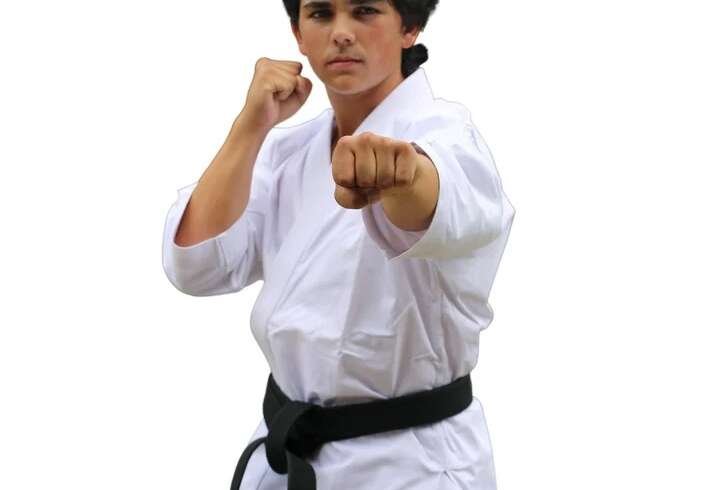

The first step in choosing martial arts equipment is understanding exactly what your discipline requires. Different martial arts use different types of protective and training gear because their techniques, rules, and training methods vary significantly. A karate practitioner may need a traditional gi, belt, hand protection, foot protection, shin guards, and sparring equipment, while a judo student generally focuses on a strong judo gi designed to withstand gripping and throwing techniques. Boxing requires gloves, hand wraps, head protection, and suitable training clothing, whereas Brazilian jiu-jitsu commonly requires a durable gi or appropriate no-gi apparel. MMA training can involve a broader combination of gloves, shin guards, mouthguards, and protective equipment. Understanding your discipline prevents unnecessary purchases and ensures that your equipment supports the techniques you actually practice. Always check your academy’s equipment requirements before purchasing specialized gear for training or competition.
Start With Essential Protective Equipment
Safety should be the foundation of every martial arts equipment purchase. Protective equipment helps reduce unnecessary impact during controlled drills and sparring, allowing practitioners to train with greater confidence. Depending on your discipline, essential protection may include mouthguards, hand wraps, boxing gloves, shin guards, headgear, chest protectors, groin protection, and foot guards. However, protective equipment should never be selected simply because it looks professional. It needs to fit correctly, provide appropriate coverage, and remain comfortable throughout training. Equipment that is too loose can move during practice, while equipment that is too tight may restrict movement or become uncomfortable. Beginners should prioritize the protective items required by their instructor and gradually add specialized equipment as their training develops. Proper protection does not replace safe technique or supervision, but it can be an important part of responsible martial arts training.
Choose the Right Martial Arts Uniform
A martial arts uniform is more than traditional clothing because it needs to support movement, training, and the specific demands of your discipline. When selecting a uniform, consider fabric weight, stitching quality, fit, breathability, flexibility, and durability. A karate gi, for example, should allow kicks, punches, stances, and rapid movement without becoming restrictive. Judo uniforms require stronger construction because they are repeatedly pulled and gripped during throwing and grappling practice. Lightweight uniforms can be useful for intense training sessions where ventilation and mobility are priorities, while heavier fabrics may offer greater durability for demanding practice. The correct uniform should fit comfortably without being excessively loose or tight. For practitioners looking to compare different training clothing and equipment options, Martial Arts Equipment can provide a useful starting point when researching gear for martial arts practice.
Consider Material Quality and Durability
Material quality directly affects how long martial arts equipment remains useful. Training gear is exposed to repeated movement, friction, sweat, impact, washing, and general wear, so inexpensive products may not always provide the best long-term value. When comparing equipment, examine the fabric, padding, stitching, closures, straps, and reinforced areas. Cotton is commonly used for many traditional uniforms because it offers comfort and durability, while synthetic blends may provide lighter weight, quicker drying, and easier maintenance. Protective equipment should use reliable padding and secure fastening systems that remain stable during movement. Durability is especially important for students who train several times each week because frequently replacing damaged equipment can become more expensive than investing in quality products initially. Look for construction that matches your training intensity rather than automatically choosing either the heaviest or cheapest option available.
Focus on Proper Fit and Comfort
Even high-quality equipment can become ineffective if it does not fit properly. Martial arts involves constant movement, including kicking, punching, grappling, blocking, rolling, and changing positions, so equipment should remain secure without limiting mobility. When choosing uniforms, measure your height, weight, and relevant body dimensions according to the manufacturer’s sizing chart rather than relying only on your usual clothing size. Gloves, headgear, shin guards, and protective equipment also need appropriate sizing to prevent movement during practice. Comfort is equally important because uncomfortable equipment can distract you and reduce concentration during technical training. Pay attention to pressure points, ventilation, flexibility, and adjustability. If equipment feels restrictive during basic movements, it may become even more uncomfortable during a demanding training session. The best equipment should feel secure enough for protection while still allowing you to focus on technique and performance.
Match Equipment to Your Training Intensity
Your equipment requirements should change as your training intensity increases. Someone attending a beginner class once or twice a week may not need the same level of equipment as an experienced athlete preparing for regular sparring or competition. Beginners should start with the essentials recommended by their academy and avoid buying specialized gear before understanding how it will be used. Intermediate practitioners may benefit from additional protective equipment, specialized uniforms, training pads, bags, or conditioning tools. Advanced athletes often need equipment designed for frequent high-intensity sessions and competition preparation. Think about how often you train, the types of drills you perform, whether you participate in contact sparring, and how much impact your equipment will receive. Matching equipment quality to training frequency helps create a practical setup without unnecessary spending. It also allows you to upgrade gradually as your skills, experience, and training demands develop.
Select Training Equipment for Skill Development
Martial arts equipment is not limited to uniforms and protective gear. Training tools can also help practitioners develop timing, accuracy, speed, strength, coordination, and technique. Depending on the discipline, useful equipment may include focus mitts, kicking shields, heavy bags, body shields, grappling dummies, resistance bands, jump ropes, training mats, and agility equipment. Each tool should have a specific purpose in your training program. For example, focus mitts can support striking accuracy and combinations, while body shields can provide a safer target for powerful kicks and punches. Grappling dummies can help practitioners repeatedly practice positioning and transitions without requiring a live training partner. However, training equipment should complement instructor-led practice rather than replace technical instruction. Choose tools that directly support your current goals instead of purchasing equipment simply because it is popular among other martial artists.
Think About Safety, Maintenance, and Hygiene
Maintaining martial arts equipment is essential for safety, hygiene, and durability. Gloves, uniforms, protective equipment, and training pads can accumulate sweat and bacteria when they are not cleaned or dried correctly. After every training session, allow equipment to air out rather than leaving damp gear inside a closed sports bag. Follow the manufacturer’s cleaning instructions because different materials may require different care. Uniforms should generally be washed regularly, while protective equipment may require wiping, disinfecting, or specialized cleaning depending on its construction. Inspect equipment frequently for damaged stitching, cracked padding, loose straps, worn fabric, or other signs of deterioration. Damaged protective gear should not be relied upon for intense contact training. Good maintenance can extend the useful life of equipment while creating a cleaner training environment. Building a simple cleaning routine from the beginning is one of the easiest ways to protect both your investment and your training experience.
Balance Quality With Your Budget
Buying martial arts equipment does not mean purchasing the most expensive product available. The goal is to find equipment that provides the appropriate combination of quality, comfort, durability, and value for your training needs. Start by identifying the equipment that is genuinely essential, then allocate more of your budget toward items that receive frequent use or provide important protection. It may be better to purchase one dependable uniform and quality protective equipment than several inexpensive products that wear out quickly. At the same time, beginners should avoid spending heavily on advanced equipment before they know how long they will continue with a particular discipline. Compare materials, construction, sizing options, and intended use rather than judging products by price alone. A practical budget should leave room for replacing worn protective gear and upgrading equipment as your training develops.
Check Academy and Competition Requirements
Before purchasing specialized martial arts equipment, always check your academy’s rules and, when relevant, competition regulations. Some schools have specific requirements regarding uniform colors, patches, protective equipment, glove styles, belt systems, or approved brands. Competition organizations may have even stricter standards concerning equipment design, color, dimensions, padding, and safety certification. Purchasing equipment that does not meet these requirements can result in unnecessary expense or prevent you from using it during an event. Your instructor can also provide valuable guidance based on your training level and discipline. If you are preparing for competition, verify the current rules before buying equipment because requirements can change. Training equipment and competition equipment are not always identical, so having a clear understanding of where and how you will use a product can help you make a more informed purchase.
Build Your Equipment Collection Gradually
A complete martial arts equipment collection does not need to be purchased in a single day. Building your gear gradually can make the process more affordable and practical. Begin with the uniform and protective equipment required for your regular classes. Once you become comfortable with your training routine, identify areas where additional equipment could improve your practice. For example, a striker might eventually add hand wraps, specialized gloves, a kick shield, or conditioning equipment, while a grappler may prioritize additional gis, rash guards, belts, or grappling training tools. Keep track of which products you use most frequently and which items need replacement. This approach prevents your training space from becoming filled with equipment that rarely gets used. Over time, your collection should reflect your personal discipline, training schedule, experience, and goals rather than simply following general equipment trends.
Final Tips for Choosing Martial Arts Gear
Choosing the right martial arts equipment becomes much easier when you follow a simple decision-making process. First, identify your martial art and understand its equipment requirements. Next, separate essential protective gear from optional training accessories. Consider material quality, durability, fit, comfort, maintenance requirements, and your training frequency. Always follow your instructor’s recommendations and check competition rules when necessary. Most importantly, avoid buying equipment based solely on appearance or price. The best gear is equipment that performs reliably, fits correctly, supports safe practice, and matches the demands of your training. As your martial arts journey progresses, your needs will naturally change, so review your equipment regularly and replace worn or unsuitable items. A thoughtful approach to equipment selection can make training more comfortable and organized while helping you focus on the skills, discipline, consistency, and confidence that make martial arts rewarding.