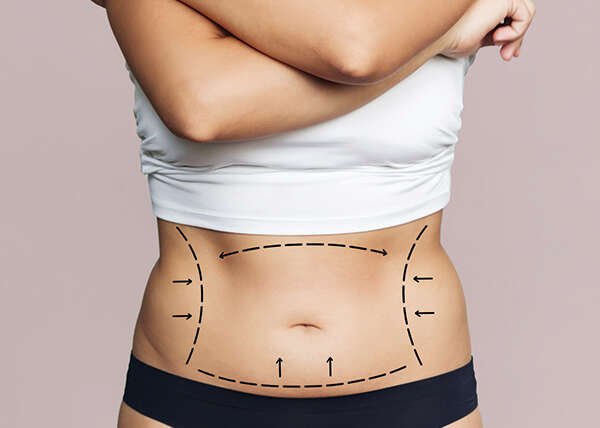


Body shape is an important consideration when planning liposuction because fat distribution varies from person to person. Some individuals may have more fullness around the abdomen, while others may notice localised areas around the hips, thighs, flanks, arms, or back. As a result, liposuction planning needs to account for the individual’s natural proportions rather than focusing only on the amount of fat present in one area.
For patients considering Liposuction Dubai, a consultation provides an opportunity to assess body shape from different angles and identify the areas that contribute most to the patient’s concerns. The surgeon can examine the relationship between different body regions and develop a treatment plan around the patient’s anatomy and desired contour.
At Cornerstone, individualised assessment can help determine which areas may be suitable for treatment and how they relate to the surrounding body structure.
Why Does Body Shape Matter in Liposuction Planning?
Liposuction is primarily used for body contouring rather than simply reducing body weight. This means the patient’s existing body shape plays an important role in deciding how treatment should be planned.
The body consists of connected regions that influence one another visually. The abdomen relates to the waist, the waist connects with the hips, and the hips transition into the thighs. Similarly, the abdomen and flanks are closely connected to the back.
When planning liposuction, the surgeon may therefore consider the overall contour rather than viewing each area as completely separate.
Understanding body shape can help identify where localised fat is creating fullness and how those areas relate to the patient’s natural proportions.
How Is Natural Body Shape Assessed?
The assessment usually begins with a physical examination. The surgeon may evaluate the body from the front, side, and back to understand the patient’s natural proportions.
The width of the waist, shape of the hips, abdominal contour, and distribution of subcutaneous fat may all be considered.
The surgeon can also assess how the body changes when the patient moves between different positions.
This broader examination provides a more complete understanding of the patient’s body shape and helps identify which areas may be relevant to liposuction planning.
How Does Abdominal Shape Influence Treatment Planning?
The abdomen is one of the areas frequently considered during liposuction planning. However, abdominal shape can differ significantly between individuals.
Some patients may have more fullness in the upper abdomen, while others may have greater concentration of fat in the lower abdomen. Some may have a relatively even distribution across the entire abdominal region.
The surgeon can assess these areas individually while also considering how the abdomen connects with the waist and flanks.
The objective is to understand where the localised fat is located and how treatment of those areas may relate to the overall abdominal contour.
How Does Waist Shape Affect Liposuction Planning?
The waist forms a transition between the upper torso and lower body. Its natural width and shape can influence the overall appearance of the body.
If localised fat is concentrated around the waist or flanks, these areas may be considered during treatment planning.
The surgeon may assess the waist from multiple angles to understand its relationship with the abdomen, hips, and back.
Rather than using the same treatment pattern for every patient, the treatment areas can be selected according to the individual’s natural waist shape and distribution of subcutaneous fat.
How Do Flanks Influence Body Contour?
The flanks are located on the sides of the torso and can contribute significantly to the appearance of the waist.
Fullness in this area can change the transition between the abdomen and hips. During consultation, the surgeon may examine the flanks from the front, side, and rear.
This allows the surgeon to understand whether the flanks are an isolated area of concern or part of a broader pattern of fat distribution.
When appropriate, the flanks can be considered alongside nearby areas to create a more consistent body contour.
How Does Hip Shape Influence Planning?
Hip structure and fat distribution can vary considerably between individuals. Some patients naturally have more fullness around the hips, while others have a straighter transition from the waist toward the thighs.
The surgeon may evaluate the hips in relation to the waist and upper thighs.
This helps determine whether localised fat around the hips contributes to the patient’s concerns and whether the area should be considered as part of the treatment plan.
The goal is to work with the individual’s natural proportions rather than attempting to create the same body shape for every patient.
How Are the Thighs Considered?
The thighs can also be evaluated when body contouring is being planned. The inner and outer thighs may have different patterns of fat distribution.
Some patients may have localised fullness on the inner thighs, Composite Veneers Dubai while others may be more concerned about the outer thigh area.
The surgeon can assess these regions separately and consider their relationship with the hips and knees.
Body shape plays an important role because the appearance of one region can be influenced by the contour of neighbouring areas.
How Does Back Shape Influence Liposuction Planning?
The back can contain localised areas of subcutaneous fat that affect the overall torso contour.
The surgeon may assess the upper, middle, Composite Veneers in Dubai and lower back depending on the patient’s individual anatomy and concerns.
The lower back, for example, can influence the appearance of the waist when viewed from behind. Similarly, fullness across the mid-back can affect the transition between the upper torso and waist.
A detailed examination from the rear allows these characteristics to be considered when developing the treatment plan.
How Does Body Proportion Influence Treatment Areas?
Body proportion refers to the relationship between different parts of the body. The waist, hips, abdomen, thighs, and torso all contribute to the overall appearance.
Liposuction planning may therefore consider how the proportions of one area relate to another.
For example, reducing localised abdominal fullness may alter the visual relationship between the abdomen and waist. Similarly, addressing flank fullness may change the transition between the waist and hips.
This is why treatment planning can involve more than identifying the area with the largest amount of fat.
How Does Fat Distribution Affect Planning?
Subcutaneous fat is not distributed evenly across every body. Some individuals have concentrated areas of fullness, while others have a more uniform distribution.
The surgeon can evaluate the thickness and location of subcutaneous fat during consultation.
The distribution may be assessed while the patient is standing and may also be evaluated from multiple angles.
Understanding these patterns helps determine which areas are relevant to the patient’s treatment goals and how they relate to the surrounding body contour.
How Is Skin Condition Considered?
The skin lies over the subcutaneous fat and plays a role in the appearance of the body contour.
During consultation, the surgeon may assess skin elasticity, thickness, and mobility in the areas being considered for liposuction.
Different parts of the body can have different skin characteristics. For example, the abdomen and thighs may not have the same degree of elasticity.
Considering skin characteristics alongside body shape and fat distribution provides a more complete picture of the treatment area.
How Does Muscle Structure Influence Body Shape?
Muscle structure contributes to the natural contours of the body. The abdomen, thighs, arms, and other areas have underlying muscles that influence their shape.
During a consultation, the surgeon may consider the relationship between the underlying anatomy and the overlying fat.
This helps distinguish between fullness related to subcutaneous fat and the natural shape created by the underlying body structures.
Liposuction planning can then be developed around the areas where localised fat contributes to the patient’s concerns.
How Does Gender Influence Natural Body Shape?
Natural body shape varies among individuals, and anatomical patterns can differ between men and women.
Some people naturally carry more subcutaneous fat around the abdomen, while others may have greater distribution around the hips or thighs.
However, treatment planning should always be based on the individual rather than assumptions about body shape.
The surgeon can assess each patient’s actual fat distribution, proportions, and treatment goals during consultation.
How Does Age-Related Change Affect Body Shape?
Body shape can change over time due to natural changes in body composition and skin characteristics.
The distribution of subcutaneous fat may change, and skin elasticity can also vary.
During consultation, the surgeon can assess the patient’s current anatomy rather than relying on how the body may have appeared at an earlier stage of life.
This current assessment helps establish which areas are relevant to the proposed treatment.
How Are Patient Goals Incorporated?
Patient preferences are an essential part of liposuction planning. Different people may have different ideas about their preferred body contour.
Some patients may want greater waist definition, while others may be more concerned about abdominal, thigh, hip, arm, or back fullness.
During consultation, patients can explain the areas they would like to address and the type of contour they hope to achieve.
The surgeon can then consider these goals alongside the patient’s natural anatomy.
This creates a treatment plan that combines anatomical assessment with individual preferences.
How Is the Treatment Area Determined?
The treatment area is identified by combining the physical examination with the patient’s goals.
The surgeon may consider the amount and location of subcutaneous fat, body proportions, skin characteristics, anatomical boundaries, and the relationship between neighbouring regions.
The proposed areas can then be discussed with the patient before treatment.
This approach allows liposuction planning to remain individualised rather than applying the same treatment pattern to every person.
Why Is a Multi-Angle Assessment Useful?
Looking at the body from only one direction can provide an incomplete picture. An area that appears prominent from the front may look different from the side or back.
A multi-angle assessment allows the surgeon to evaluate the full body contour.
This is especially important when treating connected regions such as the abdomen, flanks, waist, and back.
By considering multiple viewpoints, the surgeon can better understand how localised fat contributes to the patient’s overall shape.
How Does Consultation Help With Liposuction Cost?
The scope of treatment can influence the overall cost. Patients researching Liposuction Dubai may find that pricing varies depending on the number of treatment areas, surgical approach, facility, and individual requirements.
A consultation provides an opportunity to identify the relevant treatment areas and discuss the proposed procedure.
Understanding the scope of treatment can also make it easier for patients to discuss Liposuction Dubai costs in relation to their individual treatment plan.
Why Is Personalised Planning Important?
Every person’s body shape is different. Even when two patients have concerns about the same area, their fat distribution, skin characteristics, and overall proportions may be different.
Personalised planning allows the surgeon to consider these differences.
For patients considering Liposuction Dubai, an individual assessment can help determine which areas may benefit from treatment and how they relate to the rest of the body.
The focus is therefore on body contour and proportion rather than simply removing a predetermined amount of fat.
Conclusion
Body shape can have an important influence on liposuction planning. The surgeon may assess the abdomen, waist, flanks, hips, thighs, back, and other areas according to the patient’s individual anatomy and treatment goals.
For patients considering Liposuction Dubai, understanding the relationship between different body regions can help explain why treatment planning involves more than identifying one area of localised fat. Body proportions, fat distribution, skin characteristics, muscle structure, and personal preferences can all contribute to the development of an individualised plan.
At Cornerstone, a detailed consultation can help assess the patient’s natural body shape and identify the areas that are relevant to their desired body contour.
Frequently Asked Questions
How does body shape influence liposuction planning?
Body shape helps the surgeon understand how different areas of localised fat relate to one another. The abdomen, waist, hips, thighs, and back may be assessed according to the patient’s individual proportions.
Why is body proportion important for liposuction?
Body proportions help determine how different areas contribute to the overall contour. Treatment can therefore be planned around the relationship between neighbouring regions rather than focusing on one area alone.
How is body shape assessed before liposuction?
The surgeon may examine the body from the front, sides, and back. Fat distribution, skin characteristics, body proportions, and anatomical landmarks may be assessed during the consultation.
Does abdominal shape affect liposuction planning?
Yes. The location and distribution of abdominal fat can vary. The surgeon may assess the upper, central, and lower abdomen individually before determining which areas are relevant.
Do the flanks affect the appearance of the waist?
Yes. The flanks form a transition between the abdomen and hips and can influence the overall appearance of the waist. They may therefore be assessed during liposuction planning.
Can the hips be included in liposuction planning?
The hips may be considered when localised fat in that region contributes to the patient’s concerns. The surgeon can assess the hips in relation to the waist and thighs.
Are the thighs assessed separately?
Yes. The inner and outer thighs can have different fat distributions and may be assessed separately according to the patient’s anatomy and treatment goals.
Why is the back assessed during liposuction consultation?
The back can contribute to the overall torso and waist contour. Assessing it from behind allows the surgeon to identify areas of localised fullness that may be relevant to the treatment plan.
Does skin elasticity matter when planning liposuction?
Yes. The surgeon may evaluate skin elasticity, thickness, and mobility because skin characteristics contribute to the appearance of the treated area.
Does muscle structure influence body shape?
Yes. Underlying muscles contribute to the natural contours of the body. The surgeon may consider the relationship between muscle structure and subcutaneous fat during the assessment.
Can age affect body shape?
Body composition and skin characteristics can change over time. The surgeon assesses the patient’s current anatomy when developing the treatment plan.
Do patients choose which areas are treated?
Patients can discuss their areas of concern and desired body contour. The surgeon can then evaluate those areas and determine how they fit within the overall treatment plan.
Why is the body examined from multiple angles?
A multi-angle assessment provides a more complete view of the body contour. It can reveal differences in fat distribution that may not be visible from the front alone.
What is Liposuction Dubai used for?
Liposuction is a body contouring procedure that can be used to address localised areas of subcutaneous fat. Treatment areas are selected according to individual anatomy and goals.
What factors can influence liposuction cost?
Factors may include the number and extent of treatment areas, surgical approach, facility, and individual treatment requirements. A consultation can provide more specific information based on the planned procedure.
Why is a personalised consultation important for liposuction?
Each person has a different body shape, fat distribution, skin characteristics, and treatment goals. A personalised consultation allows these factors to be assessed before developing the treatment plan.
Is liposuction planning based only on body weight?
No. Liposuction planning focuses primarily on localised fat distribution and body contour rather than simply overall body weight. The patient’s anatomy and treatment goals are important parts of the assessment.