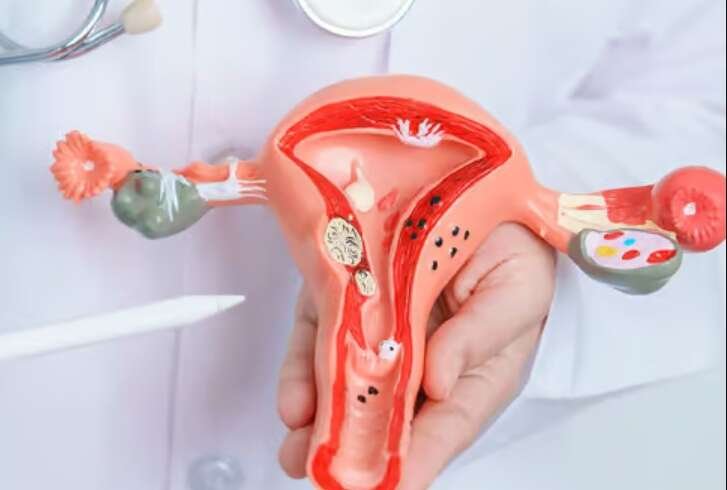

Reproductive health plays an important role in a person’s overall well-being, hormonal balance, and future family-planning decisions. When ovarian function declines earlier than expected, it can affect menstrual cycles, fertility, and the body’s natural production of hormones. Understanding this condition and exploring appropriate medical care can help individuals make informed decisions about their health.
Premature ovarian failure, more commonly referred to in modern medical practice as premature ovarian insufficiency (POI), describes a condition in which the ovaries lose their normal function before the age of 40. It may lead to irregular or absent menstrual periods, reduced estrogen levels, and difficulties conceiving. Although the condition can create uncertainty, an individualized treatment plan can help address symptoms, support long-term health, and clarify available reproductive options.
For individuals seeking Premature Ovarian Failure Treatment In Dubai, understanding the causes, diagnostic process, and available treatment approaches is an important first step. At EV Clinic Dubai, patients can enquire about reproductive health services and discuss their concerns with a qualified healthcare professional to explore suitable care options.
What Is Premature Ovarian Failure?
Understanding Premature Ovarian Insufficiency
Premature ovarian insufficiency occurs when the ovaries stop functioning normally before the age of 40. The ovaries may produce lower levels of estrogen and release eggs less consistently than expected. As a result, menstrual periods can become irregular or stop altogether.
The term premature ovarian failure is still widely used, but premature ovarian insufficiency is generally preferred because ovarian activity may occasionally continue, and spontaneous ovulation or pregnancy can sometimes occur.
POI differs from natural menopause in that ovarian function may be intermittent. This distinction is important when discussing symptoms, fertility goals, and treatment options with a healthcare professional.
How Ovarian Function Affects Reproductive Health
The ovaries play several important roles in reproductive health. They release eggs as part of the menstrual cycle and produce hormones, including estrogen and progesterone, that help regulate menstruation and support various body functions.
When ovarian function declines prematurely, hormonal changes may affect menstrual regularity, vaginal comfort, sexual well-being, and fertility. Reduced estrogen levels can also have implications for bone health over time.
Understanding these effects helps healthcare professionals develop an appropriate care plan based on the individual’s symptoms, medical history, age, and reproductive goals.
Common Signs and Symptoms of Premature Ovarian Insufficiency
Irregular or Missed Menstrual Periods
One of the most common signs of POI is a change in the menstrual cycle. Periods may become irregular, occur less frequently, or stop for several months.
Changes in menstruation can have several causes, including pregnancy, thyroid conditions, elevated prolactin levels, and other hormonal differences. A medical assessment is therefore important before attributing missed periods to ovarian insufficiency.
Hot Flushes and Night Sweats
Lower estrogen levels may cause hot flushes, sudden feelings of warmth, and night sweats. These symptoms can affect sleep quality, comfort, and everyday activities.
The frequency and intensity of symptoms vary from person to person. A healthcare professional can help determine whether hormonal changes are responsible and discuss appropriate management options.
Changes in Sleep and Mood
Hormonal fluctuations can coincide with sleep difficulties, irritability, anxiety, or changes in emotional well-being. These experiences may also be influenced by the stress associated with uncertainty about fertility and reproductive health.
Discussing both physical and emotional concerns during a consultation helps ensure that care addresses the individual’s overall well-being rather than focusing exclusively on menstrual symptoms.
Vaginal Dryness and Reduced Sexual Comfort
Reduced estrogen levels may contribute to vaginal dryness, discomfort during sexual activity, and changes in sexual well-being.
Depending on the individual’s needs, treatment options may include vaginal moisturizers, lubricants, or prescribed hormonal therapies. A qualified professional can help identify suitable approaches.
Difficulty Conceiving
Because ovarian function may be reduced or unpredictable, individuals with POI can experience difficulties conceiving naturally. However, the condition does not always mean that ovarian activity has stopped permanently.
People who wish to become pregnant should discuss their goals with a reproductive specialist to understand the available options and the role of fertility assessment in planning further care.
What Causes Premature Ovarian Failure?
Genetic Factors
Some cases of premature ovarian insufficiency are associated with genetic differences that affect ovarian development or function. Certain chromosome variations and inherited conditions can contribute to early ovarian dysfunction.
When the medical history or clinical findings suggest a genetic cause, a healthcare professional may recommend targeted testing or genetic counselling to help clarify the diagnosis and its implications.
Autoimmune Conditions
In some individuals, immune system activity may affect the normal functioning of the ovaries. POI can occur alongside certain autoimmune conditions, although the relationship varies depending on the underlying disorder.
A medical evaluation may include investigations for selected autoimmune conditions when clinically appropriate. Testing is guided by the individual’s history and the suspected cause rather than by a universal panel for every patient.
Medical Treatments and Procedures
Certain medical treatments can affect ovarian function. These may include chemotherapy, pelvic radiation, or surgical procedures involving the ovaries.
Reviewing previous treatments and surgical history can help clinicians understand possible contributing factors and determine which investigations may be useful.
Unexplained Causes
In many cases, the exact cause of premature ovarian insufficiency cannot be identified. This does not make the condition any less important or mean that appropriate care is unavailable.
When the cause remains uncertain, treatment can still focus on managing symptoms, maintaining long-term health, and discussing reproductive goals.
How Is Premature Ovarian Insufficiency Diagnosed?
Medical History and Symptom Assessment
Diagnosis begins with a review of menstrual patterns, symptoms, family history, previous medical treatments, and reproductive goals. The healthcare professional may ask about the age at which menstrual changes began and whether there is a family history of early menopause or inherited conditions.
This information helps determine which investigations are appropriate and whether other causes of menstrual irregularity should be considered.
Hormone Blood Tests
Blood tests play an important role in assessing ovarian function. Follicle-stimulating hormone (FSH) is particularly relevant because elevated levels can indicate reduced ovarian activity.
Current international guidance supports diagnosing POI in the presence of irregular or absent menstrual periods for at least four months and an elevated FSH level above 25 IU/L. Repeat testing may be recommended when the diagnosis remains uncertain. Pregnancy and other possible causes of menstrual changes should also be considered. <Cite refs={[“turn522889search0″,”turn522889search1”]}/>
Additional Investigations
Depending on the circumstances, a clinician may recommend other tests to investigate possible causes or assess overall health. These may include thyroid function testing, genetic investigations, or selected autoimmune tests.
Anti-Müllerian hormone (AMH) may provide additional information in certain circumstances, but it is not recommended as the primary diagnostic test for POI. Test selection should be based on the clinical assessment and current medical guidance. <Cite refs={[“turn522889search0″,”turn522889search3”]}/>
Premature Ovarian Failure Treatment In Dubai: Available Treatment Approaches
Hormone Replacement Therapy
Hormone replacement therapy (HRT) is a central treatment option for many people diagnosed with premature ovarian insufficiency. It replaces estrogen that the ovaries are no longer producing in sufficient amounts and can help manage symptoms associated with low estrogen levels.
Depending on the individual’s medical history and needs, treatment may involve estrogen administered orally or through the skin. For individuals who have an intact uterus, a progestogen is generally prescribed alongside systemic estrogen to protect the lining of the uterus.
Hormone therapy is generally recommended until the usual age of natural menopause, unless an individual medical circumstance makes it unsuitable. The specific regimen should be determined by a qualified healthcare professional and reviewed periodically. <Cite refs={[“turn522889search0″,”turn522889search7”]}/>
Managing Menopause-Related Symptoms
Treatment can be tailored to address symptoms such as hot flushes, night sweats, vaginal dryness, and sleep disruption.
Depending on the symptoms, suitable options may include systemic hormone therapy, vaginal moisturizers, lubricants, or locally administered estrogen when clinically appropriate. Individuals who cannot use hormone therapy may have other treatment options available.
The choice of treatment depends on symptom severity, medical history, preferences, and the individual’s overall health goals.
Supporting Bone Health
Estrogen plays an important role in maintaining bone density. When ovarian function declines prematurely, lower estrogen levels can affect bone health over time.
A healthcare professional may assess bone health and recommend appropriate measures, which can include weight-bearing exercise, adequate dietary calcium, sufficient vitamin D, and hormone therapy when indicated.
Further investigations or treatments may be appropriate depending on individual findings. Regular follow-up helps ensure that the care plan remains aligned with changing health needs. <Cite refs={[“turn522889search0″,”turn522889search4”]}/>
Monitoring General Health
A comprehensive care plan may also include reviewing cardiovascular health, thyroid function, sexual well-being, and emotional health.
The frequency of follow-up depends on the treatment plan and individual circumstances. Regular appointments provide an opportunity to review symptoms, discuss treatment preferences, and make appropriate adjustments.
The aim is to provide ongoing support for overall health rather than focusing exclusively on menstrual symptoms.
Fertility and Family-Planning Options
Understanding Fertility With POI
A diagnosis of premature ovarian insufficiency can raise important questions about pregnancy and future family planning. Ovarian activity may continue intermittently in some individuals, meaning that natural conception remains possible in certain cases.
However, there is currently no established treatment that reliably restores normal ovarian function or guarantees natural conception in people with POI. Anyone who wishes to become pregnant should seek individualized advice from a reproductive medicine specialist. <Cite refs={[“turn522889search6″,”turn522889search0”]}/>
Consulting a Fertility Specialist
A fertility consultation can help explain the available options according to the individual’s age, medical history, reproductive goals, and clinical findings.
The assessment may include a review of previous investigations and discussion of fertility treatment options. The specialist can explain which approaches are appropriate and what outcomes may reasonably be expected.
Early consultation can be particularly helpful for individuals who want to explore family-building options without unnecessary delays.
Donor Eggs and Assisted Reproduction
For many people with established POI who wish to become pregnant, in vitro fertilization (IVF) using donated eggs is an important option to discuss with a fertility specialist.
In this approach, an egg from a donor is fertilized with sperm in a laboratory, and the resulting embryo may be transferred to the recipient’s uterus following appropriate preparation.
Eligibility, treatment availability, legal requirements, and clinical suitability vary. A specialist can explain the process and discuss other relevant family-building options based on the individual’s circumstances.
Emotional Support During Fertility Planning
Fertility-related decisions can involve uncertainty, personal expectations, and emotional challenges. Having time to discuss concerns and understand the available options can make the process more manageable.
Some individuals benefit from counselling or support services alongside medical care. An individualized approach should respect the person’s preferences and provide clear information without making unrealistic promises about fertility outcomes.
Lifestyle and Everyday Wellness With Premature Ovarian Insufficiency
Maintain a Balanced Diet
A balanced diet provides nutrients needed for bone health, cardiovascular function, and general well-being. Including a variety of vegetables, fruits, whole grains, protein sources, and calcium-rich foods can help support overall health.
Nutritional requirements differ between individuals, so professional advice may be useful when dietary restrictions, deficiencies, or other health conditions are present.
Stay Physically Active
Regular physical activity can support cardiovascular fitness, muscle strength, bone health, and emotional well-being.
Activities may include walking, resistance exercises, and other forms of movement suited to individual fitness levels. A suitable exercise routine should be developed around personal needs and any relevant medical considerations.
Prioritize Sleep and Emotional Well-Being
Sleep difficulties and emotional changes can affect quality of life for people experiencing hormonal changes. Maintaining a consistent sleep schedule, engaging in relaxing activities, and seeking professional support when needed can be helpful.
A healthcare professional can also assess whether symptoms may be related to hormonal changes or other factors that require additional attention.
Attend Regular Follow-Up Appointments
Long-term follow-up is an important part of managing POI. Appointments allow the healthcare professional to review treatment, assess symptoms, and consider whether additional investigations or adjustments are needed.
Maintaining a record of menstrual changes, symptoms, medications, and questions can help make consultations more productive.
Premature Ovarian Failure Treatment Cost In Dubai
Factors That Influence Treatment Costs
The Premature Ovarian Failure Treatment Cost In Dubai varies according to the type of care required, the investigations involved, and the individual’s treatment goals.
Potential cost factors include:
- Initial consultation: The fee may depend on the type of specialist and the scope of the appointment.
- Diagnostic testing: Hormone blood tests, genetic investigations, and other assessments may be charged separately.
- Medication: The cost of prescribed hormone therapy or other treatments depends on the specific medication and duration of use.
- Follow-up appointments: Ongoing consultations may be needed to monitor progress and review the treatment plan.
- Fertility services: Individuals exploring pregnancy may require additional consultations, investigations, or assisted reproductive services.
Not every patient requires all these services. The total cost depends on the care plan recommended after an individual assessment.
How to Obtain an Individualized Cost Estimate
To understand the Premature Ovarian Failure Treatment Cost In Dubai, request a breakdown of the consultation fees, recommended investigations, medication expenses, and any anticipated follow-up costs.
At EV Clinic Dubai, prospective patients can enquire about available reproductive health services and the costs associated with their particular needs.
Before proceeding, clarify what is included in the quoted price and whether additional investigations, medication, or follow-up appointments will incur separate fees. A transparent estimate can help individuals plan their care more effectively.
Evaluating Treatment Value
When comparing treatment options, consider the quality of medical guidance, the suitability of the recommended approach, and the continuity of care.
A treatment plan should be based on clinical findings and personal goals rather than price alone. Clear communication about the expected benefits, treatment duration, and follow-up requirements helps patients make informed decisions.
Choosing the Right Reproductive Health Care Provider
Look for Individualized Assessment
Premature ovarian insufficiency can present differently from one individual to another. A suitable provider should assess symptoms, review relevant medical history, and recommend investigations based on clinical needs.
Individualized assessment is especially important when fertility planning, hormonal symptoms, or long-term health concerns are involved.
Seek Clear Information About Treatment Options
A consultation should explain the purpose of recommended investigations, available treatments, and realistic expectations. Patients should have the opportunity to ask questions and understand why a particular approach is being considered.
For people interested in Premature Ovarian Failure Treatment In Dubai, clear information can help them compare options and participate actively in decisions about their reproductive health.
Consider Ongoing Support
POI management may require continued medical care rather than a single appointment. Choosing a provider who can explain follow-up arrangements and help coordinate appropriate specialist services can support continuity of care.
The goal is to establish a plan that addresses current symptoms, reproductive priorities, and long-term health needs.
Why Discuss Premature Ovarian Insufficiency With EV Clinic Dubai?
Understanding a reproductive health concern is an important first step toward choosing appropriate care. A professional consultation provides an opportunity to discuss menstrual changes, hormonal symptoms, fertility goals, and questions about possible treatment approaches.
EV Clinic Dubai can be contacted to enquire about available reproductive health services, consultation arrangements, and treatment pricing.
Prospective patients should confirm which services are available, which investigations may be required, and whether specialist referral is appropriate for their circumstances. Treatment decisions should be made with a qualified healthcare professional who can assess individual needs and explain evidence-based options.
Frequently Asked Questions About Premature Ovarian Failure Treatment In Dubai
What Is Premature Ovarian Failure Treatment?
Premature ovarian failure treatment, more commonly described as treatment for premature ovarian insufficiency, involves managing reduced ovarian function before the age of 40. Care may include hormone replacement therapy, symptom management, monitoring of long-term health, and fertility counselling.
Can Premature Ovarian Insufficiency Be Reversed?
There is currently no proven treatment that reliably restores normal ovarian function in people with POI. However, treatment can help manage symptoms, support long-term health, and clarify available reproductive options.
Can Someone With POI Become Pregnant Naturally?
Natural pregnancy is possible in some individuals because ovarian activity can continue intermittently. However, conception cannot be guaranteed. Anyone seeking pregnancy should discuss their circumstances with a reproductive medicine specialist.
Is Hormone Replacement Therapy Always Necessary?
Hormone therapy is generally recommended for people with POI until the usual age of natural menopause, unless an individual medical circumstance makes it unsuitable. The treatment and dosage should be determined by a qualified healthcare professional.
How Much Does Premature Ovarian Failure Treatment Cost In Dubai?
The Premature Ovarian Failure Treatment Cost In Dubai depends on consultation fees, diagnostic investigations, medication, follow-up care, and any fertility services required. Contact EV Clinic Dubai to enquire about current prices and the services available.
What Tests Are Used to Diagnose POI?
Diagnosis generally involves assessing menstrual history and measuring FSH levels. Depending on the clinical situation, additional tests may include thyroid function, genetic investigations, and selected assessments for underlying causes.
Can Lifestyle Changes Treat POI?
Healthy eating, regular exercise, appropriate sleep, and attention to bone health can support overall well-being. However, lifestyle changes alone do not restore normal ovarian function and should not replace appropriate medical care.
When Should Someone Seek Medical Advice?
Individuals under 40 who experience persistent irregular or absent periods, particularly alongside symptoms associated with low estrogen, should seek medical assessment. Early evaluation can help clarify the cause and identify suitable care options.
Conclusion
Premature ovarian insufficiency is a complex reproductive health condition that can affect menstrual function, hormone levels, fertility, and long-term well-being. Understanding the condition and obtaining an appropriate medical assessment can help individuals explore treatment options that align with their personal needs.
For those considering Premature Ovarian Failure Treatment In Dubai, individualized care may include hormone replacement therapy, symptom management, bone health support, regular follow-up, and fertility counselling where appropriate. Treatment should be guided by clinical findings and realistic expectations, with attention to both present symptoms and future health goals.
To learn more about the Premature Ovarian Failure Treatment Cost In Dubai, contact EV Clinic Dubai to enquire about available services, consultation fees, diagnostic requirements, and treatment options. An informed conversation with a qualified healthcare professional can help you understand the next steps toward supporting your reproductive health.