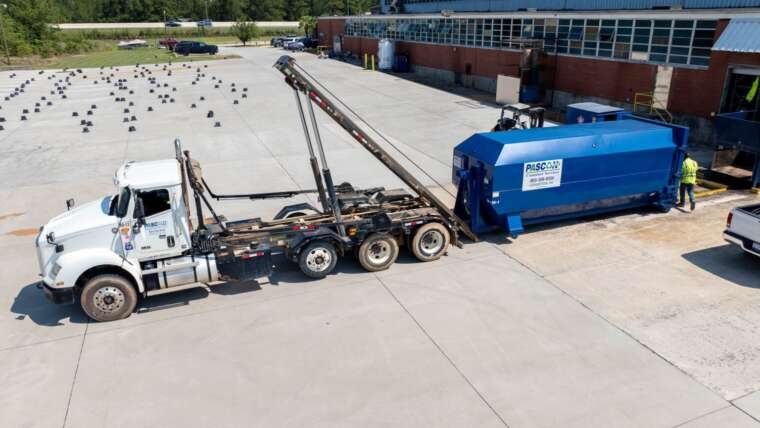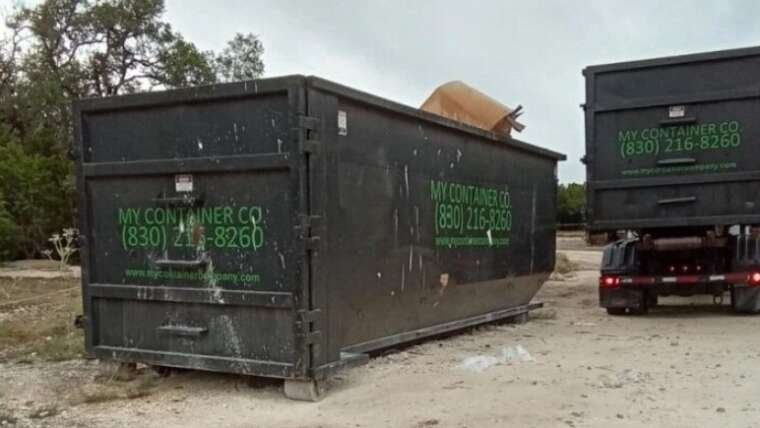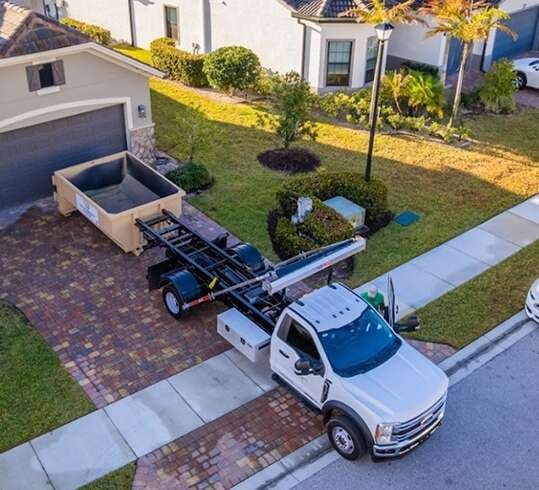

Roll-off dumpster rental in West Palm Beach, Florida, provides a practical solution for managing waste from home renovations, property cleanouts, roofing jobs, landscaping projects, and commercial construction. These large containers are delivered to a designated location, filled with approved debris, and collected for disposal when the rental period ends.
Choosing the right roll-off dumpster helps keep a project organized, reduces unnecessary disposal trips, and makes waste management more predictable. The best rental option depends on the amount of debris, the type of material, the available placement space, and the project schedule.
What Is a Roll-Off Dumpster?
A roll-off dumpster is a large, open-top waste container transported to a property using a specialized delivery truck. Unlike standard residential garbage bins, roll-off containers accommodate substantial quantities of renovation debris, bulky household items, and construction waste.
These containers are commonly used for temporary projects that generate more waste than regular curbside collection can handle.
How Roll-Off Dumpster Rental Works
The rental process typically involves several straightforward steps:
- Choose a container size: Estimate the volume and type of waste the project will generate.
- Schedule delivery: Arrange a delivery date and identify a suitable placement location.
- Load approved materials: Fill the container without exceeding its weight limit or loading height.
- Arrange collection: Request pickup when the project is complete or the container is full.
- Complete disposal: The collected waste is transported for appropriate processing or disposal.
Rental conditions vary by provider, so delivery windows, rental duration, weight allowances, and disposal restrictions should be confirmed before booking.
Available Roll-Off Dumpster Sizes
Selecting the correct dumpster size is an important part of planning a cleanup or construction project. A container that is too small may require an additional haul, while an oversized container can increase the overall rental expense.
The following table provides general guidance for common dumpster sizes.
| Dumpster size | Approximate capacity | Common applications |
|---|---|---|
| 10-yard | 3–4 pickup truck loads | Small bathroom renovations, garage cleanouts, minor landscaping |
| 15-yard | 4–6 pickup truck loads | Flooring removal, medium-sized cleanouts, small remodeling jobs |
| 20-yard | 6–8 pickup truck loads | Kitchen renovations, roofing projects, larger household cleanouts |
| 30-yard | 9–12 pickup truck loads | Major remodeling, property renovations, construction debris |
| 40-yard | 12–16 pickup truck loads | Large construction projects, commercial cleanouts, substantial demolition |
Capacities are approximate. Actual truckload comparisons and usable capacity depend on the materials and loading conditions.
10-Yard Dumpsters for Small Projects
A 10-yard dumpster is often suitable for projects involving a limited amount of debris. Examples include clearing out a small storage area, removing old bathroom fixtures, or completing a minor landscaping improvement.
Its smaller footprint can also make it easier to accommodate on properties with restricted driveway space. However, heavy materials such as concrete, soil, and roofing shingles may reach the weight allowance before the container is full.
20-Yard Dumpsters for Renovations
A 20-yard dumpster provides a useful balance between capacity and placement requirements. It is commonly considered for kitchen renovations, flooring replacement, roofing work, and whole-room remodeling.
For many medium-sized residential projects, a 20-yard container offers a practical starting point when the expected debris volume is uncertain but substantial.
30- and 40-Yard Dumpsters for Larger Jobs
Larger containers are designed for projects that generate significant volumes of waste. Construction contractors, property managers, and commercial renovation teams may need these sizes for demolition debris, building materials, and large-scale cleanouts.
Before selecting a large container, the delivery area should be checked for truck access, overhead clearance, turning space, and a suitable surface.
How Much Does Roll-Off Dumpster Rental Cost in West Palm Beach?
The cost of roll-off dumpster rental in West Palm Beach depends on container size, rental duration, debris type, disposal weight, delivery distance, and any additional services required. Because providers use different pricing structures, comparing the complete rental package is more useful than choosing a service based solely on its advertised starting price.
Factors That Affect Dumpster Rental Prices
Several considerations can influence the final rental cost:
- Container size: Larger dumpsters generally have higher base rental prices.
- Rental duration: Keeping a container longer than the included rental period may result in additional charges.
- Weight allowance: Rental packages often include a specified weight limit. Excess weight may incur overage fees.
- Material type: Concrete, soil, roofing shingles, and other dense materials may require specialized handling or different containers.
- Delivery and collection: Transportation charges may vary by location and service requirements.
- Additional services: Extended rentals, extra pickups, or special disposal arrangements may increase the total.
How to Compare Rental Quotes
A useful comparison should include the same information from each provider.
| Pricing factor | What to confirm |
|---|---|
| Base rental price | The total charge for the selected container |
| Included rental period | The number of days covered |
| Weight allowance | The included tonnage or weight limit |
| Delivery and pickup | Whether both services are included |
| Overage charges | Fees for excess weight or additional rental days |
| Disposal restrictions | Materials that require separate handling |
A transparent, itemized quote makes it easier to estimate the total cost and avoid unexpected expenses. Customers should also ask whether taxes, fuel surcharges, and other applicable fees are included.
Common Uses for Roll-Off Dumpsters in West Palm Beach
Roll-off dumpsters support a wide range of residential and commercial projects throughout West Palm Beach and the surrounding Palm Beach County area.
Residential Cleanouts and Home Improvements
Homeowners often rent dumpsters when removing unwanted furniture, clearing garages, replacing flooring, or preparing a property for sale. A container can consolidate waste in one place instead of requiring repeated trips to disposal facilities.
For renovation projects, the expected quantity of drywall, cabinetry, flooring, and other materials should be considered before selecting a size.
Roofing and Construction Projects
Roof replacements and construction projects can generate substantial amounts of shingles, wood, packaging, drywall, and other debris. A roll-off container helps keep the work area organized while providing a designated location for approved waste.
Roofing materials can be especially heavy, making weight limits important. Contractors should estimate the material volume and confirm whether the proposed container is suitable for the expected load.
Landscaping and Yard Cleanups
Landscaping improvements may produce branches, leaves, brush, soil, and other organic or mineral waste. However, not every dumpster accepts every landscaping material.
Before delivery, the rental provider should confirm which materials are permitted and whether soil, sod, tree stumps, or heavy masonry require a separate container or disposal arrangement.
Commercial and Property Management Projects
Businesses, landlords, and property managers may use roll-off dumpsters during tenant turnover, office renovations, retail improvements, and building maintenance.
For recurring projects, scheduling deliveries and pickups around work phases can help maintain a cleaner site and reduce interruptions.
Preparing for Dumpster Delivery
Proper preparation helps prevent access problems, placement damage, and unnecessary delays.
Choose a Suitable Placement Location
A driveway or designated work area may provide convenient access, provided the surface can support the loaded container. The location should also allow the delivery truck sufficient clearance to maneuver safely.
Before delivery, customers should:
- Remove parked vehicles and movable obstacles.
- Check for low branches, overhead wires, and other clearance restrictions.
- Avoid placing containers over weak pavement or unsuitable ground.
- Keep access routes clear for delivery and collection.
- Protect vulnerable surfaces where appropriate.
Check Local Placement Requirements
A dumpster placed entirely on private property may be subject to different requirements from one positioned on a public street, sidewalk, or other right-of-way.
Permit requirements depend on the placement location and applicable local rules. Customers should verify requirements with the relevant local authority and the rental provider before scheduling delivery.
Property managers and owners of shared residential developments may also need approval for placement in common areas.
What Can and Cannot Go Into a Roll-Off Dumpster?
Accepted materials vary by provider, container type, and disposal facility. Confirming the rules before loading helps prevent rejected loads and additional charges.
Commonly Accepted Materials
Depending on the rental agreement, permitted materials may include:
- Household junk and unwanted furniture.
- Wood, drywall, and other renovation debris.
- Flooring, cabinetry, and nonhazardous building materials.
- Roofing shingles within the applicable weight allowance.
- Yard waste approved under the provider’s disposal rules.
- General commercial cleanup debris.
Materials That May Be Restricted
Certain materials require separate collection or specialized disposal. Examples include:
- Paints, solvents, and other hazardous chemicals.
- Batteries and electronic waste.
- Asbestos-containing materials.
- Oils, fuels, and certain automotive fluids.
- Tires, appliances, or mattresses where special handling applies.
- Concrete, soil, and other heavy materials when not approved for the selected container.
These restrictions are not identical across all rental providers. Some items may be accepted under specific conditions, while others must be handled through separate disposal programs.
When in doubt, obtain written approval before placing a questionable material in the dumpster.
Tips for Getting the Best Value
A well-planned rental can help control costs without compromising safety or convenience.
- Estimate the debris volume: Consider the project’s scope and whether waste will be generated all at once or over several days.
- Choose the right size: Compare the cost of a larger container against the possibility of paying for an additional pickup.
- Separate heavy materials: Keep dense debris separate when required by the rental provider.
- Load efficiently: Break down suitable bulky items and distribute materials evenly.
- Stay below the fill line: Never load above the permitted height or in a way that prevents safe transportation.
- Confirm the rental period: Schedule delivery and pickup around the project’s expected completion date.
- Review all fees: Ask about weight overages, extensions, prohibited items, and additional haul charges before committing.
Frequently Asked Questions
How long can a roll-off dumpster be rented?
Rental periods vary by provider and agreement. Some packages include a set number of days, while others allow extensions for an additional fee. The included period and pickup arrangements should be confirmed when booking.
Which dumpster size is best for a home renovation?
A 10-yard container may suit a small renovation, while a 20-yard container may work better for a larger kitchen remodel or flooring replacement. Extensive renovations may require a 30-yard container or more. The right choice depends on both debris volume and weight.
Can a roll-off dumpster be delivered on the same day?
Same-day or next-day delivery may be available depending on provider schedules, inventory, delivery location, and booking time. Availability should be confirmed directly before making project commitments.
Can a dumpster be placed on a driveway?
Many roll-off dumpsters can be placed on suitable driveways, provided there is sufficient access and clearance. Surface protection may be advisable, and the provider should confirm the placement requirements in advance.
What happens if the dumpster exceeds its weight limit?
Excess weight may result in additional charges or require a different collection arrangement. Heavy materials can reach the weight limit before the container is full, so weight allowances should be checked before loading.
Is a permit required for dumpster rental in West Palm Beach?
A permit may be required when a container occupies a public street, sidewalk, or other regulated right-of-way. Requirements depend on the exact location and applicable rules, so local requirements should be verified before delivery.
Choosing Roll-Off Dumpster Rental in West Palm Beach
Selecting a suitable roll-off dumpster involves more than choosing a container based on size alone. Project requirements, accepted materials, rental duration, delivery access, weight limits, and total pricing all contribute to a successful rental experience.
Homeowners, contractors, businesses, and property managers can simplify waste removal by estimating debris volume, preparing a suitable placement area, and comparing complete rental terms before scheduling delivery.
For a smooth dumpster rental experience in West Palm Beach, the most effective approach is to choose the right container, understand the disposal rules, and confirm all rental costs and scheduling details in advance.