
Stone Colour Pigments for Outdoor Paving Applications
Outdoor paving plays an important role in the appearance and functionality of residential, commercial, and public spaces. From garden pathways and driveways to pedestrian walkways and landscaped areas, coloured paving can create attractive surfaces while complementing the surrounding architecture. Stone colour pigments help achieve different shades and finishes, allowing contractors and manufacturers to produce paving products that meet specific design requirements.
However, outdoor paving materials face regular exposure to sunlight, rain, temperature changes, moisture, and daily foot or vehicle traffic. Choosing suitable pigments is therefore essential for achieving consistent colour and maintaining the appearance of paved surfaces over time. Working with a reliable stone color brand pigment supplier in qatar can help businesses source products suited to their construction and decorative paving requirements.
1. Understanding Stone Colour Pigments
Stone colour pigments are colouring agents used to create different shades in concrete-based paving products and other decorative stone applications. They can be incorporated into suitable mixtures during production to provide colour throughout the material rather than relying entirely on a surface coating.
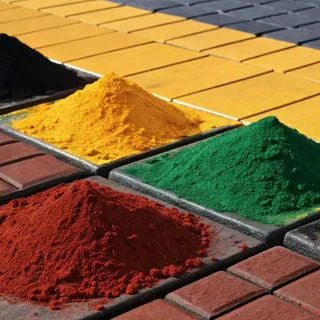
These pigments are available in a range of colours, including red, yellow, black, brown, and other shades. Manufacturers can also combine suitable pigments to develop customised colours for particular paving designs.
The final appearance depends on several factors, such as:
- Pigment type and concentration
- Cement and aggregate colour
- Mixing time and consistency
- Water-to-cement ratio
- Curing and finishing methods
Understanding these factors helps manufacturers achieve more predictable results and reduce unwanted colour variations between paving batches.
2. Why Colour Stability Matters in Outdoor Paving
Outdoor paving is constantly exposed to environmental conditions. Direct sunlight can affect some colourants, while moisture and surface wear may change how paving looks over time. For this reason, pigment selection should consider the expected exposure and intended application.
Quality inorganic pigments, particularly suitable iron oxide-based options, are commonly used in concrete products because of their colour stability and resistance to weather-related exposure.
When selecting pigments, manufacturers should evaluate:
- Resistance to ultraviolet exposure
- Compatibility with cement-based materials
- Colour consistency between production batches
- Resistance to alkaline environments
- Suitability for the intended paving application
Contractors sourcing materials from a stone color brand pigment supplier in qatar should request technical information about the pigment’s performance and recommended applications. Product testing can help determine whether a particular colourant meets the project’s requirements.
3. Popular Colour Options for Paving Projects
Colour selection influences the overall appearance of outdoor spaces. The right shade can complement building exteriors, landscaping features, boundary walls, and surrounding hardscapes.
Some popular pigment choices include:
Red pigments: Red and terracotta shades are often used for decorative pathways, garden paving, and outdoor areas where a warm appearance is preferred.
Yellow pigments: Yellow and ochre tones can create brighter surfaces and work well with natural stone-inspired designs.
Black pigments: Black pigments are useful for producing darker concrete finishes, borders, and contrasting paving patterns.
Brown pigments: Brown shades offer an earthy appearance that complements landscaping and traditional architectural styles.
Custom colour combinations: Manufacturers can blend compatible pigments to achieve specific shades according to project designs and customer preferences.
Before selecting a final colour, it is helpful to prepare sample paving units. The colour should be reviewed after curing because the appearance of fresh concrete can differ from the finished product.
4. Choosing Pigments Suitable for Qatar’s Outdoor Conditions
Outdoor paving in Qatar requires careful material selection because surfaces may experience intense sunlight, high temperatures, dust, and occasional moisture. Pigments should be suitable for the cement-based mixture and the environmental conditions expected at the installation site.
A reliable stone color brand pigment supplier in qatar should be able to provide information about pigment composition, recommended dosage, compatibility, and technical performance.
Contractors and manufacturers should consider the following points:
- Weather exposure: Select pigments with suitable colour stability for outdoor use.
- Alkali resistance: Check compatibility with cement-based materials.
- Dispersion: Fine and uniform distribution helps prevent visible colour patches.
- Dosage requirements: Follow the manufacturer’s recommended quantity.
- Application testing: Evaluate samples before beginning full-scale production.
It is also important to remember that pigment alone cannot prevent all surface fading or discolouration. Cement quality, aggregate selection, curing, installation, drainage, and maintenance all contribute to the long-term appearance of paving.
5. The Importance of Consistent Pigment Mixing
Even high-quality pigments can produce uneven results if they are not mixed correctly. Poor dispersion may create dark spots, light patches, or noticeable differences between paving units.
Manufacturers should establish a consistent production process. Measuring pigment quantities accurately is particularly important when producing large batches or repeating the same colour for different project areas.
A practical mixing process includes:
- Measure the pigment according to the approved mix design.
- Use consistent cement and aggregate sources wherever possible.
- Follow the recommended mixing sequence.
- Allow sufficient mixing time for uniform distribution.
- Maintain consistent water quantities and production conditions.
- Prepare sample units and inspect their colour after curing.
Keeping production records can also help manufacturers reproduce the same shade in future batches. This is especially useful for large paving projects where materials may be produced and installed over several weeks.
6. Applications of Coloured Stone Pigments
Coloured pigments are suitable for various outdoor paving products and decorative concrete applications. Their versatility allows manufacturers to create functional surfaces with different visual styles.
Common applications include:
- Interlock tiles: Coloured paving blocks for driveways, walkways, and parking areas.
- Garden pathways: Decorative surfaces that complement plants and landscaping.
- Outdoor patios: Attractive paving for residential and hospitality spaces.
- Commercial walkways: Coloured concrete units for pedestrian areas.
- Public spaces: Decorative paving for parks, recreational areas, and landscaped developments.
- Decorative borders: Contrasting colours for patterns, edging, and design features.
For every application, pigment selection should match the concrete formulation and expected performance requirements. Paving intended for vehicle traffic, for example, needs an appropriate structural mix and installation design in addition to suitable colouring.
7. Working with a Reliable Pigment Supplier
Choosing the right supplier is an important part of maintaining product quality and managing construction costs. Contractors, paving manufacturers, and material distributors should look beyond price when comparing available pigment options.
A dependable stone color brand pigment supplier in qatar should offer clear product specifications, consistent supply, and guidance on selecting suitable pigments for different applications.
Before placing an order, consider:
- Available pigment colours and product grades
- Technical data and recommended dosage
- Compatibility with concrete and cement mixtures
- Availability of samples for testing
- Batch consistency and supply arrangements
- Product packaging and storage recommendations
Clear communication with suppliers helps manufacturers make informed purchasing decisions and avoid unnecessary production interruptions.
Conclusion
Stone colour pigments offer an effective way to create attractive and distinctive outdoor paving products. From interlock tiles and garden pathways to commercial walkways and landscaped spaces, suitable pigments help manufacturers achieve the desired colour while supporting consistent production.
For successful results, businesses should consider colour stability, cement compatibility, dispersion, dosage, and local environmental conditions before selecting a product. Working with an experienced stone color brand pigment supplier in qatar can make it easier to source suitable colouring solutions for outdoor paving applications.
Combining quality pigments with controlled mixing, proper curing, and suitable installation practices helps create paving surfaces that maintain their appearance and perform well under everyday use.