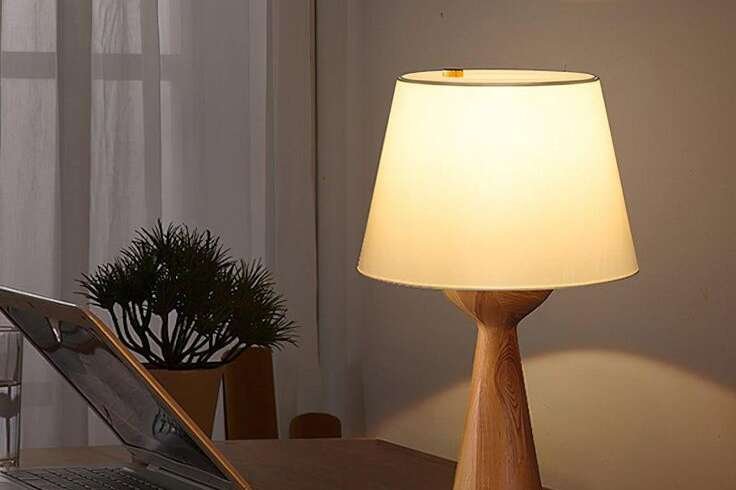

A table lamp may be one of the smallest lighting elements in a room, yet its influence can be surprisingly significant. Positioned on a bedside cabinet, side table, or decorative console, it introduces a concentrated source of illumination while contributing colour, texture, and personality.
Unlike permanent architectural fittings, portable lamps allow homeowners to experiment with arrangements as their interiors evolve.
This flexibility makes them particularly appealing for contemporary residences where decorative preferences and furniture layouts may change over time.
The secret to successful styling lies in understanding how the floor lighting/إضاءة أرضية lamp interacts with its surroundings.
Begin with the Furniture, Not the Lamp
A common decorating mistake is choosing a beautiful lamp without considering where it will stand.
The supporting furniture determines the available space, viewing height, and overall proportions.
A substantial ceramic base may look elegant on a wide console but appear oversized on a narrow bedside cabinet.
Similarly, a delicate glass design can become visually insignificant when placed beside heavy furniture.
Finding the Right Proportions
Consider the height of the supporting surface and the position of nearby seating.
When a lamp is used beside a sofa or bed, the shade should provide useful illumination without exposing the bulb directly to seated occupants.
The base should also leave sufficient room for everyday objects.
A bedside cabinet may need space for a book, drinking glass, or personal belongings.
Decorative balance should never compromise practical convenience.
Bedroom Styling: Creating a Relaxing Atmosphere
Bedrooms call for a different approach from formal reception areas.
Here, comfort and visual calm usually take priority over dramatic presentation.
Soft illumination can make the transition from daytime activity to evening relaxation feel more natural.
Pairing Lamps with Bedside Furniture
Matching lamps positioned on either side of a bed create a familiar sense of order.
This arrangement works especially well with symmetrical headboards and coordinated bedside cabinets.
However, identical fittings are not essential.
A slightly taller lamp on one side can work beautifully when balanced by artwork or decorative objects elsewhere in the room.
The important consideration is whether the arrangement feels intentional.
Choosing Shades for Comfortable Light
Fabric shades often diffuse illumination gently, making them suitable for bedrooms.
Linen textures can create a relaxed appearance, while smooth neutral fabrics suit more structured interiors.
Opaque shades direct a greater proportion of light upward and downward, producing a different atmosphere from translucent materials.
Bulb selection also affects comfort.
Warm-white light and dimmable controls are useful when the same fixture serves both reading and ambient purposes.
Living Room Styling: Small Details with Visual Impact
Living rooms offer greater freedom to experiment with decorative compositions.
A lamp can soften the appearance of a formal sofa arrangement or introduce visual interest to an otherwise understated corner.
Rather than distributing identical fixtures throughout the room, consider varying their forms and materials.
Style a Side Table with Restraint
An elegant side table does not require numerous accessories.
A carefully chosen lamp, a small stack of books, and one sculptural object may be sufficient.
Varying the height of these elements creates a more interesting composition.
Avoid placing decorative items where they interfere with the lamp’s light distribution or make the surface difficult to use.
Negative space is equally important.
Leaving part of the tabletop uncovered allows the individual objects to remain visually distinct.
Make a Console Arrangement Feel Complete
A console positioned behind a sofa or against a feature wall can support a more elaborate decorative arrangement.
Try placing a tall lamp at one end and balancing it with a lower decorative object at the other.
Artwork or a mirror can connect the composition vertically.
This asymmetrical approach often feels more relaxed than placing matching accessories at both ends.
Materials That Introduce Character
The material of a lamp base can subtly change the room’s decorative direction.
Stone and ceramic introduce solidity, while glass creates a lighter visual presence.
Metal finishes can establish contrast against upholstered furniture and timber surfaces.
Working with Natural Textures
A ceramic lamp with an irregular surface can complement linen upholstery, woven rugs, and natural wood.
Stone bases introduce an understated architectural quality.
In contemporary UAE interiors, these materials can help balance polished flooring and smooth wall finishes.
The result is a room that feels layered rather than excessively uniform.
Adding Contrast Through Metallic Details
Metallic accents can make a restrained colour scheme feel more expressive.
Brushed finishes generally offer a softer appearance than highly reflective polished surfaces.
The selected metal does not need to match every handle or furniture detail exactly.
Repeating a similar undertone in a few carefully chosen elements is often enough to establish cohesion.
Coordinating Portable and Architectural Lighting
Tabletop fixtures should complement the wider illumination plan.
In open-plan interiors, suspended fittings may define dining areas while portable sources create intimate seating zones.
Homeowners researching Pendant Lights Dubai can use those designs as inspiration for coordinating materials and finishes across adjoining spaces.
Meanwhile, Floor Lighting provides another opportunity to illuminate corners or reading areas without increasing the brightness of the entire room.
The combination creates a more adaptable environment.
Styling for Different Interior Personalities
Not every elegant room follows the same decorative formula.
A minimalist apartment may benefit from a lamp with a simple cylindrical base and a restrained shade.
A traditional-inspired living room might accommodate a more sculptural silhouette.
For contemporary luxury interiors, consider combining a distinctive base with an understated shade.
Experiment Before Final Placement
Move the lamp between different surfaces and observe it during daylight and evening hours.
A design that appears subtle in natural light may become more prominent when illuminated.
Check whether reflections appear on nearby televisions, mirrors, or polished furniture.
Small adjustments in position can significantly improve both appearance and comfort.
Conclusion
Successful table lamp styling depends on proportion, placement, material, and the relationship between illumination and surrounding furniture.
Bedrooms benefit from gentle brightness and practical convenience, while living rooms provide opportunities for more expressive decorative arrangements.
By selecting each piece with its setting in mind, homeowners can create interiors that feel balanced, welcoming, and individually styled.