

Engagement rings have always carried a meaning that goes far beyond their appearance. They represent commitment, shared memories, and the beginning of a new chapter. While classic solitaire diamonds and traditional settings remain popular, modern couples are increasingly looking for designs that feel more personal and aligned with their lifestyle.
This changing preference has brought new attention to lab-grown diamonds and detailed ring settings. Among the styles gaining recognition, pavé designs stand out for their ability to create an impressive display of brilliance without making the ring feel excessively large or complicated.
Pavé lab-grown diamond engagement rings bring together two important developments in contemporary jewelry: the growing interest in lab-created diamonds and the continued appreciation for intricate diamond settings. The combination creates an engagement ring that can feel luxurious, refined, and distinctly modern.
The trend is not simply about following a new fashion. It reflects a broader change in how people think about fine jewelry. Today’s buyers often want to understand their options, consider the materials used, and choose pieces that fit both their personal style and their priorities. At the same time, they still want an engagement ring that feels romantic and timeless.
Why Pavé Rings Continue to Attract Modern Couples
The pavé setting has a distinctive visual character. Instead of leaving the band primarily as a plain metal surface, the design incorporates numerous small diamonds that are positioned closely together.
The diamonds are secured using tiny metal beads or prongs, allowing the stones to sit near one another while minimizing the amount of visible metal between them. When viewed from a distance, the effect can resemble a continuous ribbon of sparkle running along the band.
In a solitaire setting, the center diamond typically carries nearly all of the visual attention. A pavé band introduces additional points of light, allowing the entire ring to participate in the design. The center stone remains the focal point, but the surrounding diamonds help frame and emphasize it.
The setting is also remarkably versatile. A slim pavé band can complement a minimalist center stone, while a more detailed band can support a larger or more distinctive diamond. The design can work with round, oval, cushion, pear, radiant, and other popular center-stone shapes.
This adaptability is one reason pavé remains relevant despite changing jewelry trends. Metal choice can further change the appearance. White gold and platinum can provide a clean, contemporary look, allowing the diamonds to blend into the band. Yellow gold introduces warmth and contrast, while rose gold creates a softer, romantic appearance.
The Growing Interest in Lab-Grown Diamonds
Lab-grown diamonds are created in controlled laboratory environments using advanced processes designed to replicate the conditions that produce diamonds naturally. They possess the same fundamental chemical composition and crystal structure as natural diamonds, making them genuine diamonds rather than imitation stones.
This distinction is important for consumers who are researching their engagement ring choices. The availability of lab-grown diamonds gives couples another option when considering the diamond at the center of their ring. They can evaluate the stone according to familiar characteristics such as cut, color, clarity, and carat weight while also considering its origin.
For many buyers, having more choices is part of the appeal. The modern jewelry customer may be interested in the traditional symbolism of a diamond while also wanting to make purchasing decisions that reflect contemporary values. Lab-grown diamonds have become part of that conversation because they offer an alternative to traditionally mined stones.
Sustainability is one factor that can influence this interest. Environmental impact is complex and depends on production methods, energy sources, manufacturing practices, and other factors, so lab-grown diamonds should not automatically be viewed as impact-free.
This flexibility is particularly meaningful for modern couples who prioritize transparency and value-driven purchasing. When clients explore design of pave lab grown diamond ring options, they gain greater control over their budget—allowing them to balance investment between a high-quality center lab diamond and the intricate micro-pave bench craftsmanship of the setting.
How the Combination Creates a Distinctive Engagement Ring
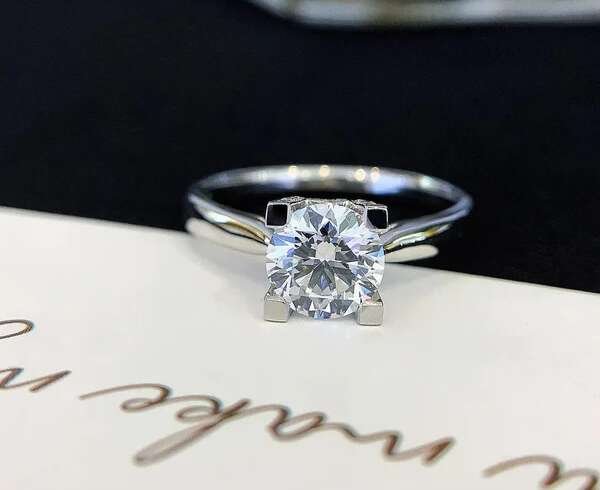
When a lab-grown diamond is paired with a pavé setting, the two elements can complement each other particularly well. The center diamond provides the primary focal point, while the smaller diamonds along the band add additional flashes of light. Instead of viewing the ring as a single stone surrounded by metal, the eye experiences the entire piece as a connected design.
An oval or pear-shaped diamond can create an elegant vertical appearance, while the pavé band provides a sparkling foundation. A round center stone can create a more traditional silhouette, with the pavé detailing adding a contemporary element. Cushion cuts can bring a softer, romantic character to the ring, while emerald cuts can create a sophisticated contrast between clean geometric lines and the sparkle of the pavé band.
The proportions of the ring matter as much as the individual stones. A delicate center stone may benefit from a thinner pavé band, while a larger center stone can be balanced with slightly more substantial detailing. When these elements are proportioned correctly, the finished ring looks harmonious rather than overly decorated.
This is one of the most important aspects of choosing fine jewelry. More diamonds do not automatically create a better design. The placement, spacing, shape, and relationship between the elements determine how sophisticated the final piece appears. The craftsmanship of the pavé setting also deserves attention.
Choosing a Design That Fits Your Lifestyle
An engagement ring is different from most pieces of jewelry because it is often worn continuously. Therefore, appearance is only one part of the decision. Comfort, maintenance, proportions, and everyday practicality should also be considered.
Pavé rings contain multiple smaller diamonds, which means the setting should receive appropriate care. Although diamonds are highly durable, the small stones and their individual settings can still be affected by significant impact or rough handling.
Removing the ring during activities that could expose it to unnecessary stress can help protect the setting. It is also useful to keep the ring away from harsh household chemicals and to have it professionally inspected periodically.
Regular cleaning can make a noticeable difference as well. Everyday exposure to lotions, oils, dust, and other residues can reduce the brilliance of diamonds. Gentle cleaning and periodic professional maintenance can help keep the stones looking bright.
Someone who works with their hands frequently may prefer a lower-profile setting that minimizes the chance of catching the ring on clothing or objects. Someone with a more formal lifestyle may enjoy a more intricate design with additional detailing.
Why This Trend Has Long-Term Potential
The popularity of pavé lab-grown diamond engagement rings is part of a larger transformation in the fine jewelry market. Consumers have more information, more design choices, and more opportunities to personalize traditional jewelry styles.
For many modern shoppers, luxury is increasingly associated with thoughtful design and individuality rather than simply choosing the most expensive available option. They may care about the craftsmanship behind a ring, the story of the materials, and how well the piece represents their relationship.
Pavé lab-grown diamond designs naturally fit this perspective. They combine an established jewelry technique with a modern diamond option. The result can feel familiar enough to retain the emotional symbolism associated with engagement rings while offering a fresh interpretation of what a contemporary diamond ring can be.
Antiquecut reflects this evolving approach to jewelry, where elegant design can be considered alongside modern preferences and individual expression. The long-term appeal of the style also comes from its adaptability. A pavé ring can look classic when paired with a round center diamond, romantic with an oval or cushion stone, or more contemporary when combined with an emerald or radiant cut.
Conclusion
The rising interest in pavé lab-grown diamond engagement rings reflects a meaningful change in modern jewelry preferences. Couples are looking for designs that combine beauty, individuality, craftsmanship, and thoughtful purchasing decisions rather than relying solely on traditional definitions of luxury.
The pavé setting contributes continuous sparkle and intricate detail, while lab-grown diamonds provide an additional option for those exploring alternatives within the diamond market. Together, they create a flexible foundation for engagement rings that can range from delicate and understated to bold and glamorous.
What makes the trend particularly compelling is its ability to adapt. Different center-stone shapes, metals, band widths, and setting details can completely change the character of the finished ring. This allows couples to move beyond standard designs and select something that genuinely reflects their personal story.
A beautifully crafted ring becomes a reminder of a promise, a milestone, and a shared future. Pavé lab-grown diamond rings offer that balance, bringing together traditional elegance and contemporary choice in a way that feels especially suited to today’s jewelry market.