
Finding water around your washing machine can leave you unsure whether the appliance, its connections, or the household plumbing is responsible. A small puddle near the front might come from the door seal, while water underneath could have travelled from a hose at the back. The location of the puddle alone does not always reveal the source.
The timing of the leak is often more useful. Water appearing during filling suggests a different problem from water escaping during draining or spinning. Noticing that pattern can help a technician investigate the fault without replacing parts unnecessarily.
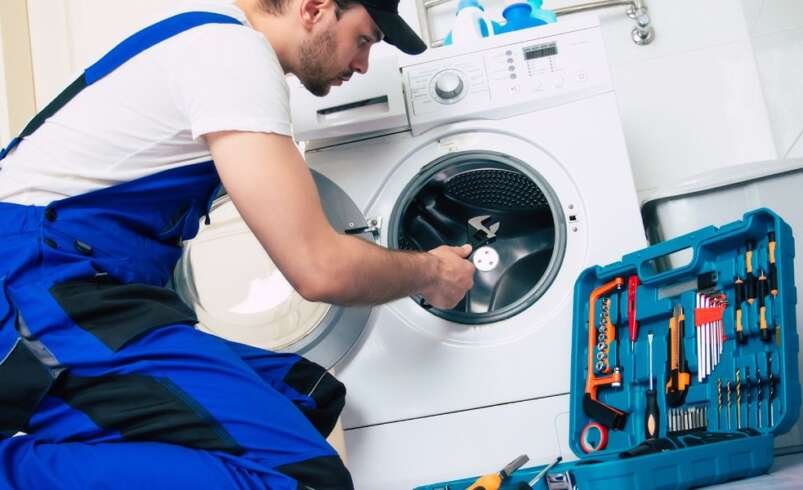
If the problem keeps returning, arranging washing machine repair in Dubai can help establish where the water is escaping and what work is required. Before booking, here is what you can safely observe and what the different symptoms may mean.
What Should You Do When Your Washing Machine Starts Leaking?
Stop the programme if you can reach the controls safely. Disconnect the electricity only if the plug and surrounding area are dry and safely accessible. If water has reached electrical connections, avoid touching them and arrange appropriate professional assistance.
Turn off the washing machine’s water supply if its valve is accessible without moving the appliance or entering a wet electrical area. Keep people away from the slippery floor and contain the water where safe.
Avoid restarting the machine simply to see whether the leak happens again. Continued use can spread water beneath cabinetry, damage flooring, or make the source harder to identify. A photograph of the puddle and a note of the programme stage are more useful than repeated test cycles.
Why the Timing of the Leak Matters
Different components handle water at different stages of a wash. A leak that begins before the drum moves may involve the supply connection or filling system. One that appears only as water leaves the machine may involve the drainage route.
Record whether the water appears:
- As soon as the water supply is turned on.
- While the machine is filling.
- During the main wash or rinse.
- When the appliance begins draining.
- During the final spin.
- After the programme has finished.
These observations help narrow the investigation, but they do not confirm a failed component. Water can travel along the appliance casing or floor before becoming visible.
Washing Machine Leaking from the Front Door
On a front-loading machine, the flexible door seal helps contain water while allowing the drum assembly to move. Clothing caught between the door and seal, trapped debris, or damage to the rubber can create a route for water to escape.
Look at the accessible seal with the machine stopped. A trapped garment, visible tear, or buildup around the sealing surface is worth reporting. Do not pull the seal away from its mounting or attempt to remove its retaining fittings.
A door that appears misaligned or does not close normally may also require inspection. Forcing it shut can damage the latch or surrounding components. Professional washing machine water leakage repair should confirm whether the seal itself is faulty or whether another problem is causing water to reach the door area.
Water Coming from the Detergent Drawer
Water running down the front of the appliance can sometimes begin at the detergent dispenser rather than the door. Residue in the drawer, restricted dispenser passages, incorrect detergent use, or a filling problem may contribute. Excess foam is another useful clue. Using an unsuitable detergent or more than the recommended quantity can cause oversudsing, which may interfere with normal operation and contribute to leakage.
If the manual allows the drawer to be removed for routine cleaning, follow those instructions with the appliance switched off. Clean only the accessible parts described by the manufacturer. Mention whether the problem began after changing detergent or increasing the dose. Avoid adding cleaning chemicals or attempting to clear internal passages with sharp tools.
Washing Machine Leaking Underneath
Water beneath the appliance can come from several locations, including internal hoses, pump connections, seals, or other water-carrying components. It may also originate at the rear and collect underneath. Because these areas are usually concealed, the puddle does not provide enough evidence to identify the part that needs repair. A machine leaking near the front is not necessarily suffering from a door-seal fault.
Do not tilt the appliance to look underneath or remove the base while it contains water. Washing machines are heavy, and moving them can strain their connections. Tell the technician whether the water is clean, soapy, or dirty, and when it first appears. These details can guide inspection without requiring you to access internal components.
Leaks from the Inlet Hose or Rear Connections
A supply-side leak may occur at the tap connection, inlet hose, or appliance connection. Damaged hoses, worn sealing washers, or incorrectly fitted connections can allow water to escape. A leak that continues while the appliance is idle deserves particular attention because the supply side may remain under pressure when the water valve is open.
From a safe position, look for visible droplets around accessible connections. Avoid reaching behind a connected appliance or tightening fittings without knowing their requirements. If the leak began after installation or relocation, mention that immediately. The technician should check the installation and connection condition rather than assuming an internal component has failed.
Water Appearing During Draining
A leak that begins when the machine pumps water out may involve the drain hose, its connections, the pump assembly, or the household waste connection. Watch for water overflowing from the standpipe or backing up near a sink connection. In that situation, the restriction may be within the building’s drainage system rather than inside the washing machine.
Useful signs to report include:
- Water escaping only when pumping begins.
- A drain hose that appears displaced or damaged.
- Overflow at the household waste outlet.
- Dirty water collecting behind the appliance.
- A leak accompanied by slow drainage.
Depending on the findings, the solution may require appliance repair, plumbing work, or both.
What You Can Safely Check Before the Appointment
Keep checks limited to visible areas and manufacturer-approved maintenance. Once the machine is stopped and safely isolated, inspect accessible surfaces without moving the appliance.
Look for a garment trapped in the door, obvious detergent overflow, or water around a visible hose connection. Check whether a recently cleaned filter cap appears to be the source, but do not open it while the machine contains hot water.
Prepare the following information for the service provider:
- Brand, model number, and approximate appliance age.
- The programme stage when leakage begins.
- The apparent location and amount of water.
- Any recent installation, maintenance, or movement.
- Error messages, unusual noises, or drainage problems.
Accurate observations help a washing machine repair technician in Dubai plan the inspection and understand whether access behind or beneath the appliance will be necessary.
What Should a Proper Leakage Repair Include?
A useful diagnosis should identify the actual escape point and explain why it is leaking. Replacing a seal without checking the surrounding system can leave the original cause unresolved. Ask the technician which component failed, whether it can be repaired, and whether any associated connections need attention. The quotation should explain the proposed labour and replacement parts.
After the work, the appliance should be checked through the relevant operating stages where practical. A leak that occurred during draining needs a drainage check; one linked to filling needs the supply and filling system verified. The surrounding area should also be checked so that remaining water is not mistaken for a continuing leak.
Address the Source Before Returning to Regular Use
A leaking washing machine needs more than a towel beneath the appliance. Even an intermittent leak can affect flooring or nearby cabinets, and its source may be different from where the puddle appears. Stop using the machine, make safe observations, and record when the water escapes. Avoid forcing the door, moving the appliance alone, or attempting internal repairs.
If the cause is unclear or the leak returns, arrange professional washing machine repair services. Confirming the source, reviewing the proposed repair, and checking the machine afterward gives you a clearer route back to reliable laundry care.