
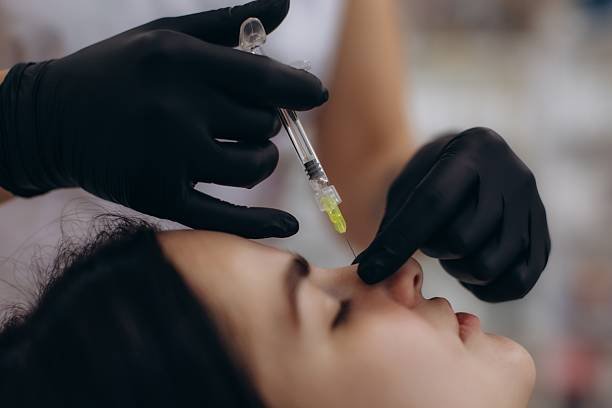

The first week after rhinoplasty is an important part of the healing process. During these initial days, patients commonly experience swelling, bruising, nasal congestion, discomfort, and changes in the appearance of the nose. Because these symptoms can be noticeable, it is normal to have questions about what is expected and when recovery should begin to feel easier.
Knowing what may happen during the first week can help you prepare properly and avoid unnecessary concerns. If you are planning or have recently undergone Rhinoplasty, understanding the early recovery period can make it easier to follow your surgeon’s instructions and recognize when you should seek medical advice.
The First 24 Hours After Rhinoplasty
Immediately after rhinoplasty, you will be monitored as the effects of anesthesia begin to wear off. Depending on the type of procedure and your surgeon’s recommendations, you may be able to return home the same day or remain under observation for a period of time.
During the first several hours after Rhinoplasty in Riyadh, you may feel tired, groggy, or slightly uncomfortable. Your nose may be supported with an external splint, dressing, or other protective material. Internal nasal packing is not required in every procedure, but your surgeon will explain what has been used in your case.
Swelling around the nose and face can begin quickly. Bruising may also develop around the eyes during the first day or become more noticeable over the next few days.
At this stage, rest is one of the most important priorities. You should arrange transportation home and avoid driving yourself after surgery.
Days Two and Three: Swelling and Bruising May Increase
Many patients find that swelling and bruising become more noticeable during the second and third days. This can sometimes make the face look more swollen than it did immediately after surgery. While this can be concerning, early swelling does not represent the final appearance of the nose.
You may also experience nasal congestion because of swelling inside the nasal passages. Breathing through the nose can therefore be difficult temporarily, which means you may need to breathe through your mouth more often.
Mouth breathing can cause dryness, so keeping yourself adequately hydrated according to your medical instructions may help you remain more comfortable. Your surgeon may also recommend specific methods for managing nasal congestion.
It is important not to blow your nose unless your surgeon specifically allows it. Pressure generated by forceful nose blowing could interfere with healing.
Managing Discomfort During the First Week
Some discomfort is expected after rhinoplasty, particularly during the first few days. Your surgeon may prescribe or recommend medication to manage pain and make the recovery period more comfortable.
Take medications exactly as instructed. Do not add other medicines, supplements, or remedies without discussing them with your healthcare provider, because some substances can increase bleeding risk or interfere with your recovery.
Keeping your head elevated when resting may also be recommended. Elevation can help reduce swelling and may make sleeping more comfortable. Follow your surgeon’s specific instructions regarding sleeping position.
Days Four and Five: Early Recovery Continues
By the fourth or fifth day, some patients begin noticing that the initial discomfort is becoming easier to manage. However, swelling and bruising may still be present.
You may also notice changes in the color of bruises as they begin to fade. This is part of the normal healing process. The nose itself can still look significantly different from the expected final result because swelling remains.
At this point, you should continue avoiding activities that could put pressure on your nose. Bending over repeatedly, lifting heavy objects, strenuous exercise, and other activities may be restricted depending on your surgeon’s instructions.
Your daily routine may gradually become easier, but recovery should remain the priority.
The Role of the Nasal Splint
Many rhinoplasty patients have an external splint placed over the nose to protect the newly modified structures during the early healing period. The splint may remain in place for approximately one week, although the exact timing varies.
You should keep the splint protected and follow your surgeon’s instructions regarding cleaning and care. Do not attempt to remove it yourself unless you have been specifically instructed to do so.
The removal of the splint can be an important milestone, but seeing your nose for the first time does not mean you are seeing the final result. Significant swelling may still be present underneath the skin.
Day Six and Seven: An Important Milestone
By the end of the first week, many patients have reached an important stage in their recovery. Depending on the surgical plan, your surgeon may schedule a follow-up appointment around this time to assess healing and potentially remove the external splint.
You may be excited to see your new nasal shape, but it is essential to keep expectations realistic. The nose can look swollen, stiff, or less refined than expected immediately after the splint is removed.
The tip may appear particularly swollen, and the bridge may not yet have its final definition. These changes generally reflect the normal healing process rather than the final outcome.
Your surgeon can explain what you are seeing and reassure you about expected changes during the following weeks and months.
What You Should Avoid During the First Week
Protecting the nose is particularly important during the early recovery period. Avoid touching, pressing, or accidentally bumping the nose. You should also follow your surgeon’s instructions about sleeping, exercise, showering, and other daily activities.
Strenuous physical activity can increase blood pressure and potentially contribute to swelling or bleeding. For this reason, patients are commonly advised to take a break from exercise during the initial recovery period.
You should also avoid wearing glasses directly on the healing nose if your surgeon has advised against it. Pressure on the nasal structures may interfere with healing.
Every recovery plan is individual, so your surgeon’s instructions should always take priority over general recommendations.
Eating and Drinking During Recovery
Your appetite may be reduced during the first few days, particularly if you are experiencing nausea or discomfort from anesthesia or medication. Follow the dietary guidance provided by your medical team.
Choose foods that are easy to consume if your mouth or face feels uncomfortable. Staying adequately hydrated can also be important, but follow any restrictions or instructions provided by your healthcare team.
Avoid alcohol during the period recommended by your surgeon because it may interfere with medications and recovery.
When Should You Contact Your Surgeon?
Most postoperative symptoms gradually improve, but you should know which changes require medical attention. Contact your surgical team if you experience symptoms that concern you or appear significantly different from the instructions you were given.
Severe or worsening pain, heavy bleeding, significant breathing difficulty, fever, unusual discharge, or rapidly increasing swelling should be discussed with your healthcare provider promptly.
Do not rely on online information to diagnose a postoperative problem. Your surgeon or medical team understands your procedure and can determine whether a symptom requires evaluation.
What Happens After the First Week?
Completing the first week does not mean that rhinoplasty recovery is finished. Swelling continues to decrease over the following weeks and months. The nose gradually becomes more defined as the tissues heal and adapt to their new structure.
Many patients can return to some normal activities relatively soon, but the timing depends on the procedure and individual healing. Your surgeon will tell you when it is appropriate to resume exercise, work, wearing glasses, and other activities.
The final result may take many months to become clear. Patience is therefore essential during the recovery process.
Conclusion
The first week after rhinoplasty usually involves swelling, bruising, congestion, mild discomfort, and careful protection of the nose. The symptoms can change from day to day, and the appearance during this period should not be considered the final result.
If you have undergone Rhinoplasty in Riyadh, following your surgeon’s postoperative instructions is the best way to support a smooth recovery. Rest appropriately, protect your nose, take prescribed medications as directed, attend your follow-up appointment, and contact your medical team if you experience concerning symptoms.
With time, swelling gradually decreases and the nasal contours become more visible. Understanding that recovery happens progressively can help you remain patient and confident throughout the healing process.