

A brighter smile is one of the most common reasons people consider cosmetic dental treatment. Teeth can gradually become darker or yellow due to coffee, tea, tobacco, certain foods, aging, and natural changes in the enamel. While regular brushing helps maintain oral hygiene, it may not remove established discoloration. This often leads people to ask what they can realistically expect from professional teeth whitening.
The results can be noticeable, but they vary from person to person. The final shade depends on the original color of your teeth, the type of staining, the whitening method used, and the condition of your enamel. If you are considering Teeth Whitening in Riyadh, understanding the expected results can help you make an informed decision and avoid unrealistic expectations.
How Much Whiter Can Your Teeth Become?
Professional teeth whitening can make natural teeth appear significantly brighter, but there is no single shade improvement that applies to everyone. Some people may see a noticeable change after one treatment, while others may require additional treatment or a gradual whitening approach.
Your starting tooth color has an important influence on the outcome. Teeth with mild yellow or brown surface stains may respond differently from teeth with deeper or intrinsic discoloration.
During a consultation, your dentist can examine your current tooth shade and explain what level of whitening may be realistic. The aim should be a brighter, natural-looking smile rather than an artificially white appearance.
What Types of Stains Respond Best?
Teeth whitening generally works best on certain types of discoloration. Stains caused by coffee, tea, tobacco, red wine, and strongly colored foods can often respond well to professional whitening.
These substances contain pigments that can accumulate on or within the tooth structure over time. Whitening agents can help break down the compounds responsible for this discoloration, allowing the teeth to appear lighter.
However, not every type of stain responds equally. Discoloration caused by certain medications, dental trauma, enamel development problems, or other internal factors may be more resistant to conventional whitening.
What Results Can You Expect After Professional Whitening?
Professional whitening can produce a visibly brighter smile, particularly when the discoloration is suitable for treatment. Depending on the method used, some improvement may be visible relatively quickly, while further changes may develop after the treatment.
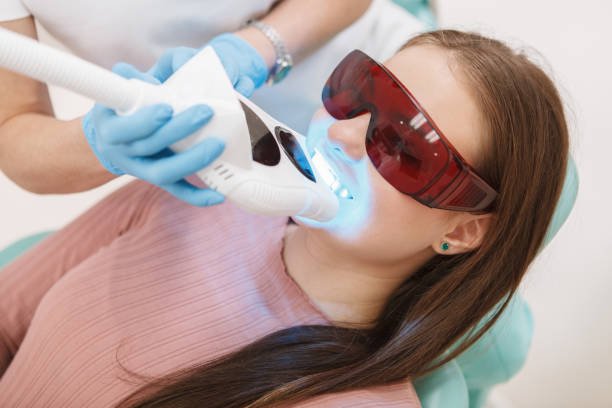
In-office whitening is generally designed to provide noticeable cosmetic improvement within a professional setting. The dentist controls the application of the whitening material and monitors the treatment.
Home whitening under dental supervision can also produce effective results, but the process is usually more gradual because treatment takes place over a longer period.
The final appearance depends on how your teeth respond rather than simply how long the whitening product is applied.
Will All Your Teeth Become the Same Shade?
Natural teeth do not always have exactly the same color. Some teeth may respond more quickly to whitening than others, particularly if there are differences in enamel thickness or previous dental treatment.
Existing crowns, veneers, fillings, and other restorations generally do not whiten in the same way as natural teeth. If you have visible restorations, whitening may create a shade difference between treated natural teeth and dental work.
Your dentist should assess these factors before treatment. In some situations, whitening may be performed before replacing a visible restoration so that the new restoration can be matched more closely to the desired tooth shade.
How Quickly Will You See Results?
The timing depends on the whitening method. Professional in-office treatments may provide noticeable improvement during or shortly after the appointment. However, the appearance can continue to settle after treatment.
Dentist-supervised home whitening usually takes longer because the whitening process occurs gradually over several applications.
It is important not to judge the result immediately if you experience temporary sensitivity or changes in the appearance of your teeth after treatment. Your dentist can explain when the outcome should be evaluated.
Can Teeth Whitening Remove Deep Stains?
Whitening can reduce many types of discoloration, but deeper stains may be more difficult to treat. The response depends on the cause of the discoloration and how it affects the tooth.
For example, long-term staining from coffee or tea may improve significantly with professional whitening. However, discoloration associated with certain medications or internal tooth changes may not respond as strongly.
If your teeth do not respond as expected, your dentist can investigate the cause rather than simply recommending repeated whitening. In some cases, another cosmetic dental option may provide a more suitable solution.
Does Teeth Whitening Damage the Enamel?
When appropriately selected and professionally supervised, teeth whitening can be performed without intentionally removing enamel. However, temporary tooth sensitivity and gum irritation can occur.
Using whitening products excessively or incorrectly can increase the risk of discomfort. This is why following professional instructions is important, particularly if you already have sensitive teeth.
Before treatment, your dentist can check for cavities, gum problems, enamel damage, exposed tooth surfaces, or other conditions that may need attention first.
How Long Will the Results Last?
Teeth whitening results are not permanent because teeth continue to be exposed to foods, beverages, tobacco, and the natural aging process.
The duration of the results varies between individuals. Someone who frequently consumes coffee or tea may develop new stains sooner than someone who rarely consumes strongly pigmented drinks.
Good oral hygiene and regular dental care can help maintain a brighter appearance. Your dentist may also recommend an appropriate maintenance schedule if discoloration gradually returns.
Can You Keep Drinking Coffee and Tea?
You do not necessarily have to permanently stop drinking coffee or tea after whitening. However, these beverages can contribute to new staining over time.
Your dentist may recommend limiting strongly pigmented foods and drinks for a certain period after treatment. This can depend on the whitening method and your individual circumstances.
After the recommended period, sensible consumption and good oral hygiene can help reduce the accumulation of new stains. Drinking water after coffee or tea can also help reduce the amount of staining material that remains on your teeth.
What Can You Do to Maintain the Results?
Maintaining good oral hygiene is essential for keeping your smile brighter. Regular brushing and cleaning between the teeth can help reduce plaque and surface discoloration.
Routine dental examinations and professional cleanings can also help manage stains and support overall oral health. If you smoke or use tobacco, reducing or stopping these habits can help limit future discoloration while benefiting your oral health.
You should also avoid unnecessary whitening treatments. Repeating professional whitening too frequently does not necessarily create better results and may increase the likelihood of sensitivity.
What If You Are Not Happy With the Results?
If the whitening result is less noticeable than expected, do not immediately repeat the treatment. First, speak with your dentist about why the outcome may have been limited.
The cause could be the type of discoloration, the natural color of your teeth, existing restorations, or another dental issue. Your dentist can assess the situation and explain whether another whitening session, a different approach, or an alternative cosmetic treatment would be more appropriate.
Having realistic expectations before treatment is one of the best ways to avoid disappointment afterward.
Why Is a Dental Assessment Important?
A professional assessment helps determine whether whitening is appropriate for your teeth. It also allows the dentist to identify problems that may affect the result.
For example, cavities, gum disease, enamel damage, and certain restorations may need to be addressed before cosmetic whitening. A dentist can also discuss your desired shade and explain what improvement is realistically possible.
For people considering Teeth Whitening in Riyadh, this assessment can provide a personalized treatment plan rather than relying on general expectations from advertisements or whitening products.
Final Thoughts
Professional teeth whitening can provide a noticeable improvement in the appearance of naturally discolored teeth, particularly when stains are caused by coffee, tea, tobacco, and certain foods. However, the exact result varies according to the original tooth shade, type of staining, dental health, and whitening method.
The most realistic expectation is a brighter and cleaner-looking smile rather than a guaranteed specific shade. Results can also fade gradually as teeth are exposed to staining foods and drinks and as natural aging continues.
If you are unhappy with the color of your teeth, a consultation with a qualified dental professional can help determine whether whitening is suitable for you. Understanding the possible results, limitations, maintenance requirements, and expected timeline before treatment can help you achieve a more satisfying and natural-looking smile.