

Hormones influence many of the body’s everyday functions, including sleep, mood, metabolism, sexual health, energy, and reproductive function. When hormone levels change because of aging, menopause, medical conditions, or other factors, some people may notice symptoms that affect their quality of life. Hormone Support is a broad term used to describe approaches that help people understand and manage these changes through appropriate evaluation, healthy habits, and, when medically appropriate, treatment.
For many women, hormonal changes become more noticeable during perimenopause and menopause. Men may also experience changes in testosterone and other hormones as they age. However, symptoms such as fatigue, weight changes, sleep problems, or mood changes do not automatically mean that hormones are the cause. A thoughtful evaluation can help identify what may be contributing to symptoms and determine whether additional care is appropriate. Align Health and Menopause focuses on helping patients better understand hormone-related changes and their available options.
What Does Hormone Support Actually Mean?
Hormone Support does not refer to one specific medication, supplement, or treatment. Instead, it can include a range of strategies based on an individual’s symptoms, health history, hormone levels, age, and goals. Depending on the situation, support may involve nutrition, physical activity, sleep improvement, stress management, monitoring symptoms, hormonal testing, or medically supervised hormone therapy. The goal is not simply to increase or decrease a hormone but to understand whether a hormonal change is contributing to a person’s concerns and determine what approach may be suitable.
Why Do Hormone Levels Change With Age?
Hormone levels naturally change throughout life. Women experience major hormonal transitions during perimenopause and menopause as ovarian production of estrogen and progesterone declines. Men can also experience gradual changes in testosterone levels. Other factors, including certain medications, chronic health conditions, significant changes in body weight, stress, sleep problems, and changes in physical activity, can affect how a person feels. Because several factors can create similar symptoms, Hormone Support should begin with understanding the individual rather than assuming that every symptom has a hormonal cause.
What Symptoms May Be Related to Hormonal Changes?
Hormonal changes can be associated with symptoms such as hot flashes, night sweats, irregular periods, sleep difficulties, vaginal dryness, changes in sexual desire, mood changes, fatigue, and changes in body composition. Some people may also notice difficulty maintaining muscle mass or changes in how their body responds to food and exercise. These symptoms can have many possible causes, however, which is why a medical evaluation can be useful. Recognizing patterns and discussing symptoms with a qualified healthcare professional can help determine whether hormones may be part of the picture.
When Should Someone Consider Hormonal Testing?
People often search online for Hormonal Testing Near Me when symptoms begin interfering with daily life. Testing may be considered when a healthcare professional believes laboratory information could help evaluate a person’s symptoms or overall health. The type and timing of testing can vary depending on age, sex, reproductive status, symptoms, medications, and medical history. Hormone levels also fluctuate naturally, so a single test does not always provide a complete explanation for how someone feels. Results should therefore be interpreted alongside symptoms and other relevant health information.
How Does Hormone Support Relate to Menopause?
Menopause is a natural life stage, but the transition can bring symptoms that range from mild to disruptive. Hormone Support during this period may involve lifestyle strategies, symptom management, or medical treatment when appropriate. Hormone Therapy For Menopause may be considered for certain symptoms, particularly when they significantly affect quality of life and there are no medical reasons that would make hormone therapy unsuitable. Treatment decisions should be individualized because the benefits and risks can differ based on a person’s age, health history, symptoms, and type of therapy.
Can Hormone Therapy Help With Menopause Symptoms?
Hormone therapy can be effective for certain menopause-related symptoms, but it is not automatically the right choice for everyone. Depending on the individual’s situation, treatment may involve estrogen alone or estrogen combined with a progestogen for people who have a uterus. The method of delivery can also vary. A healthcare professional may discuss oral, transdermal, topical, or other options based on the person’s needs. Good Hormone Support focuses on appropriate treatment selection and ongoing monitoring rather than using the same approach for every patient.
What Are Hormone Replacement Therapy Pellets?
Hormone Replacement Therapy Pellets are small implants placed under the skin that release hormones gradually over time. They are sometimes used as an alternative delivery method for hormone therapy. Pellet therapy is not appropriate for every person, and treatment should be based on a careful assessment of potential benefits, risks, hormone levels, symptoms, and medical history. Anyone considering pellets should discuss how this method compares with other available approaches and understand that hormone therapy requires appropriate medical supervision.
Is Hormone Support Only for Women?
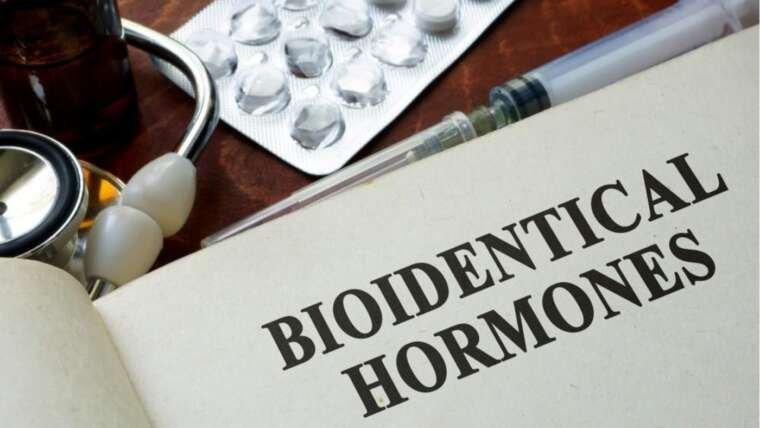
No. Hormonal changes can affect both women and men. Men may experience changes in testosterone levels that can be associated with symptoms such as reduced sexual desire, changes in body composition, lower energy, or difficulty maintaining muscle mass. However, these symptoms can also result from sleep problems, medications, stress, obesity, medical conditions, or other causes. Bioidentical Hormone Replacement Therapy For Men is one approach that may be discussed in appropriate circumstances, but testosterone therapy should only be considered after proper evaluation and confirmation of an underlying hormonal issue.
Can Hormone Support Help With Weight Management?
Weight management is more complicated than simply having too much or too little of a particular hormone. Age, nutrition, physical activity, sleep, medications, genetics, metabolic health, and hormonal changes can all influence body weight. A Weight Loss Clinic Chesterfield MO may evaluate several of these factors when developing a medically supervised approach to weight management. Hormonal evaluation can sometimes be relevant, but hormone therapy should not be viewed as a universal weight-loss treatment. Sustainable changes usually involve a broader strategy tailored to the person’s health and circumstances.
What About the Rice Hack for Weight Loss?
The Rice Hack For Weight Loss is an example of how social media trends can make simple dietary ideas appear to be a guaranteed solution for losing weight. Some versions of the trend involve preparing rice in a particular way or combining it with other ingredients while suggesting that it can dramatically change metabolism. Although rice can certainly be included in a balanced eating pattern, there is no single preparation method that replaces an overall healthy diet, appropriate calorie intake, regular physical activity, adequate sleep, and medical guidance when needed. Weight management should be based on realistic, evidence-informed habits rather than viral shortcuts.
Can Hormonal Changes Affect Vaginal Health?
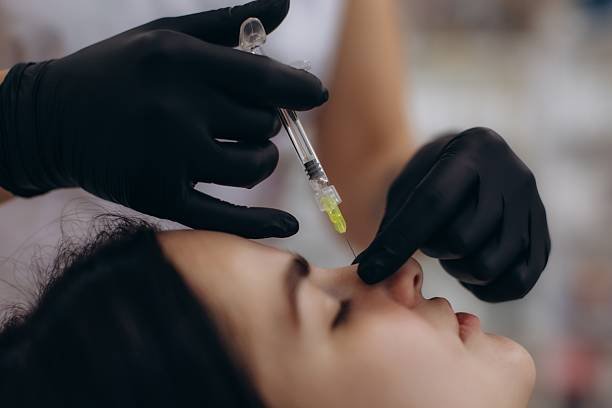
Changes in estrogen during and after menopause can affect vaginal and urinary tissues. Some women experience dryness, irritation, discomfort during sexual activity, or changes in urinary symptoms. Treatment depends on the specific concern and may include moisturizers, lubricants, local hormonal therapies, pelvic health approaches, or other medical options. Vaginal Rejuvenation Treatment is another term people may encounter when researching solutions for vaginal concerns, but different procedures and technologies have different purposes, evidence, risks, and suitability. A medical assessment is important before choosing any treatment.
Can a Woman Get Pregnant After Menopause?
The question Can A Woman Get Pregnant After Menopause? is common, especially for women experiencing irregular periods during perimenopause. Menopause is generally confirmed after a person has gone 12 consecutive months without a menstrual period when there is no other explanation. Natural pregnancy is not expected after true menopause because the ovaries no longer regularly release eggs. However, pregnancy may still be possible through assisted reproductive options using donated eggs or previously preserved reproductive material. Because fertility changes considerably during the menopause transition, contraception may still be necessary during perimenopause until menopause has been confirmed.
Does Hormone Support Replace Healthy Lifestyle Habits?
Medical treatment cannot replace the basics of healthy living. Regular movement, resistance exercise, adequate protein and nutritious foods, sufficient sleep, stress management, and avoiding tobacco can support overall health during hormonal transitions. These habits may also help with energy, cardiovascular health, bone health, muscle maintenance, and weight management. Hormone Support works best when medical care and healthy lifestyle habits are considered together rather than treating hormone levels as the only factor that determines health.
How Is an Individual Hormone Plan Developed?
A personalized approach begins with understanding the person’s symptoms, health history, medications, reproductive status, lifestyle, and concerns. Depending on the situation, a healthcare professional may recommend an examination, laboratory testing, or additional evaluation before discussing treatment. The purpose is to identify the most appropriate options while considering potential risks and expected benefits. Follow-up is also important because symptoms and hormone needs can change over time. This individualized process helps make Hormone Support more thoughtful, rather than relying on generalized treatment recommendations.
Why Is Ongoing Monitoring Important?
Hormone-related treatment should not be viewed as something that begins and then continues without reassessment. Symptoms, hormone levels, health conditions, medications, and treatment goals can change. Regular follow-up allows a healthcare professional to evaluate whether a treatment is helping, whether side effects have developed, and whether adjustments are appropriate. Monitoring is particularly important when someone is receiving prescription hormone therapy or other medical treatment. A careful approach can help ensure that the treatment remains aligned with the person’s current health needs.
What Should People Know Before Seeking Hormone Support?
Anyone considering hormone-related care should start by identifying the symptoms or concerns they want to address and discussing them openly with a qualified healthcare professional. Online trends and generalized hormone advice can be misleading because the same symptom may have several possible causes. For example, fatigue may be related to sleep, nutrition, stress, medications, thyroid function, anemia, hormonal changes, or another health issue. Understanding the underlying factors is more useful than assuming that one hormone or one treatment is responsible for every problem.
How Can Align Health and Menopause Help With Hormone Health?
Align Health and Menopause provides a setting where individuals can discuss concerns related to menopause, hormonal changes, weight management, and other aspects of hormone health. The appropriate approach depends on the individual’s symptoms and medical circumstances. Whether the discussion involves testing, menopause management, hormone replacement options, or another aspect of care, the focus should remain on informed decisions and personalized treatment. Hormone Support is ultimately about helping people understand changes in their bodies and make appropriate choices with professional guidance.
Final Thoughts on Hormone Support
Hormonal changes are a normal part of life, but the symptoms associated with them can sometimes be difficult to understand. From menopause symptoms and changes in vaginal health to concerns about testosterone, weight management, and reproductive health, there is no single solution that works for everyone. The most useful approach begins with understanding the individual, considering possible causes, and choosing treatment based on medical needs rather than trends. With informed evaluation and appropriate care, Hormone Support can be one part of a broader strategy for maintaining health and quality of life through different stages of adulthood.