

Acne is one of the most common skin concerns, but treating it effectively can be more complicated than simply applying an over-the-counter cream. Breakouts can vary from occasional pimples and blackheads to painful cysts that may leave lasting scars. The right treatment depends on the type of acne, its severity, your skin type, and whether you are also dealing with pigmentation or scarring.
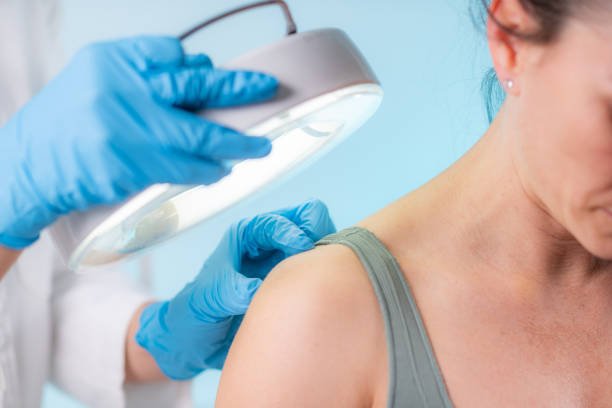
A dermatologist can assess your skin and determine which treatment approach is most appropriate. Professional care can also help prevent recurring breakouts and reduce the risk of permanent acne scars.
Why Does Acne Develop?
Acne develops when hair follicles become clogged with oil and dead skin cells. Increased oil production, bacteria, inflammation, and hormonal changes can all contribute to the development of acne.
Hormonal fluctuations can be particularly important. Some people experience increased breakouts during adolescence, while others develop acne later in life. Stress may also affect existing acne, although it is not considered the sole cause. Consulting a Dermatologist Abu Dhabi can help identify potential triggers and determine an appropriate approach for managing recurring acne.
Skincare and lifestyle factors can contribute as well. Using products that clog pores, frequently touching the face, excessive sweating, and certain medications may worsen breakouts in some individuals.
Understanding the cause and type of acne helps determine which treatment is likely to work best.
How Do Dermatologists Treat Mild Acne?
Mild acne often includes blackheads, whiteheads, and occasional small pimples. In these cases, topical treatment may be recommended as the first step.
Topical retinoids can help prevent clogged pores by encouraging normal skin cell turnover. They may also help reduce inflammation and prevent new acne lesions from developing.
Other topical ingredients may be used depending on the individual’s needs. Benzoyl peroxide, for example, can help reduce acne-causing bacteria and inflammation. Salicylic acid can help remove excess oil and dead skin cells from pores.
A dermatologist may recommend one ingredient or combine treatments depending on the pattern and severity of the acne.
What Treatments Are Used for Moderate Acne?
Moderate acne may involve more frequent inflammatory pimples, pustules, or a larger number of clogged pores. When topical treatment alone is not enough, a dermatologist may consider additional medications.
Prescription topical combinations can target different causes of acne at the same time. In some cases, oral medication may also be recommended for a limited period.
Oral antibiotics may sometimes be prescribed for inflammatory acne. They are generally used under medical supervision and are not intended as a permanent solution. A dermatologist may combine them with topical treatments to improve results and reduce the likelihood of recurrence.
The exact medication and duration depend on the individual’s condition and medical history.
What Happens When Acne Is Severe?
Severe acne can involve deep, painful nodules or cysts. This type of acne has a greater risk of producing permanent scars and may require more intensive treatment.
For suitable patients, dermatologists may consider oral isotretinoin. This medication can significantly reduce oil production and address several factors involved in severe acne. Because it can cause important side effects and requires medical monitoring, it should only be used under appropriate professional supervision.
A dermatologist will assess whether this treatment is suitable and explain the necessary precautions and follow-up requirements.
Can Hormonal Treatments Help With Acne?
Hormonal factors can play a major role in acne, particularly in some women who experience recurring breakouts around the jawline, chin, or lower face.
When hormonal acne is suspected, a dermatologist may discuss treatment options that address hormonal influences. Depending on the individual, certain prescription medications may be considered.
Hormonal treatment is not suitable for everyone, so medical history, current medications, age, and other factors must be considered before treatment begins.
Are Acne Injections an Option?
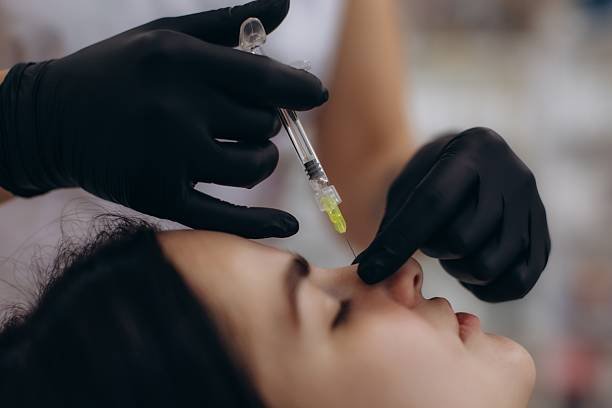
For a large, painful individual acne cyst or nodule, a dermatologist may sometimes use an intralesional corticosteroid injection. This treatment delivers medication directly into the lesion.
The purpose is to reduce inflammation and swelling more quickly than waiting for the lesion to resolve naturally. It may be particularly useful when a painful cyst is likely to cause significant discomfort or when rapid improvement is desirable.
This is a targeted treatment rather than a replacement for an overall acne management plan.
Can Dermatologists Treat Acne Scars at the Same Time?
Acne treatment is not only about clearing existing breakouts. Preventing scars is an important part of long-term management.
If acne has already caused discoloration or scarring, a dermatologist can assess these changes separately. Dark marks may gradually improve with appropriate skincare and pigmentation treatments, while depressed or raised scars may require procedures.
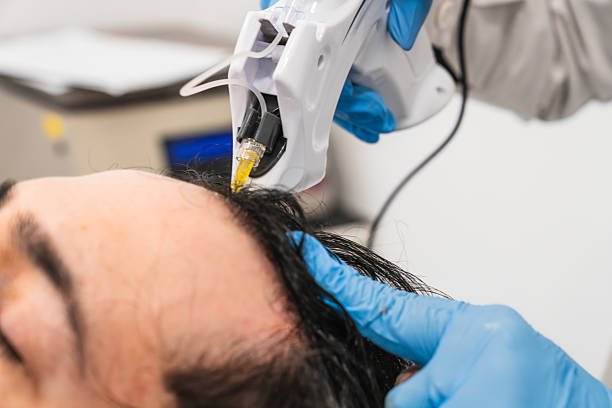
Treatments such as chemical peels, microneedling, laser procedures, or other dermatological techniques may be considered depending on the type of scar.
However, active acne often needs to be controlled before certain scar treatments are performed. Continuing to develop new inflammatory lesions can lead to additional scarring.
What Professional Procedures Can Help With Acne?
Some dermatological procedures may be useful alongside medication. Chemical peels can help remove dead skin cells and improve clogged pores, while certain light or laser-based treatments may be considered for particular types of acne.
Professional extraction may also be performed in selected cases when blackheads or whiteheads require removal. However, attempting to squeeze or extract lesions at home can increase inflammation and potentially cause scarring.
Procedures should be selected according to the individual’s skin condition rather than used simply because they are popular.
How Important Is a Skincare Routine?
A consistent skincare routine can support professional acne treatment. Gentle cleansing can help remove excess oil, sweat, and impurities without unnecessarily irritating the skin.
Moisturizing is also important, particularly when acne medications cause dryness. A non-comedogenic moisturizer can help support the skin barrier without adding unnecessary pore-clogging ingredients.
Sun protection should not be overlooked. Some acne treatments can make the skin more sensitive to sunlight, while sun exposure can make post-acne pigmentation more noticeable. Using broad-spectrum sunscreen can help protect the skin.
It is also important to avoid constantly changing products. Giving a treatment enough time to work can make it easier to determine whether it is effective.
What Should You Avoid When Treating Acne?
Picking, squeezing, or scratching acne lesions can increase inflammation and raise the risk of scars and pigmentation. Harsh scrubs and excessive exfoliation can also irritate the skin and potentially make breakouts appear worse.
Using multiple strong active ingredients without professional guidance may damage the skin barrier. If your skin becomes persistently red, painful, excessively dry, or irritated, reassessing your routine may be necessary.
Instead of trying numerous products at once, it is usually better to follow a structured treatment plan and make changes gradually.
How Long Does Acne Treatment Take?
Acne rarely disappears overnight. Most treatments require consistent use over time, and improvement may occur gradually. The timeline depends on the severity of acne, the selected treatment, and how well the skin responds.
Some medications may initially cause dryness or temporary irritation. A dermatologist can explain what to expect and when you should return for a follow-up.
If a treatment is not producing adequate results, it does not necessarily mean that your acne cannot be treated. Your dermatologist may adjust the medication, dosage, or combination of treatments.
When Should You See a Dermatologist for Acne?
Professional care is particularly useful when acne is painful, persistent, widespread, or leaving scars. You may also benefit from a consultation if over-the-counter products have not improved your skin or if breakouts repeatedly return.
Early treatment can help control inflammation and reduce the chance of permanent scarring. A dermatologist can also determine whether another condition may be responsible for acne-like symptoms.
Final Thoughts
Acne treatment should be personalized rather than based on a single universal solution. Depending on the severity and type of acne, treatment may involve topical medications, oral medications, hormonal approaches, targeted injections, professional procedures, or a combination of methods.
A Dermatologist Abu Dhabi can evaluate your skin and create a treatment plan designed around your specific needs. With consistent treatment, appropriate skincare, and professional monitoring, acne can often be brought under better control while reducing the risk of long-term scars and marks.