
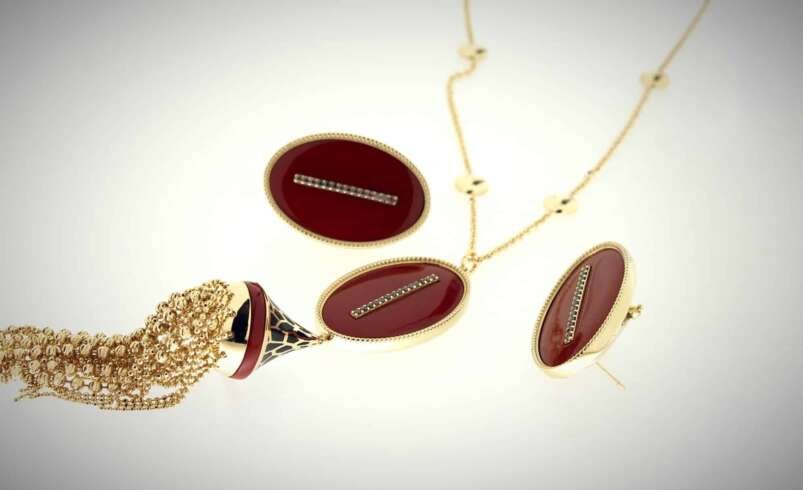

Gold jewellery has always been associated with elegance, luxury, personal expression, and lasting value. Among the many jewellery styles available in today’s market, Italian-made gold jewellery is particularly appreciated for its refined designs, detailed finishing, and combination of traditional craftsmanship with modern production techniques.
For Nigerian jewellery buyers, Italian gold Nigeria represents an opportunity to explore designs that combine contemporary fashion with the long-standing reputation of Italian jewellery craftsmanship. From delicate chains and elegant rings to bracelets, earrings, and statement pieces, Italian jewellery can offer a wide variety of styles for different preferences and occasions.
However, buyers should understand that “Italian gold” does not describe a separate type of gold. It generally refers to gold jewellery manufactured in Italy. The actual value and quality of a piece depend on factors such as purity, weight, workmanship, design, authenticity, and documentation. Goldy provides useful guidance on these considerations for buyers exploring Italian gold and jewellery in Nigeria.
What Is Italian Gold?
Italian gold generally refers to gold jewellery made in Italy rather than a unique category of gold.
The gold itself is still measured according to purity, such as 18K, 14K, or other fineness levels. What distinguishes Italian-made jewellery is the manufacturing, design, finishing, and craftsmanship associated with Italian jewellery production.
Italy has historically been home to important jewellery-making centres, including Arezzo, Vicenza, Valenza, and Bassano del Grappa. The World Gold Council notes that Italian jewellery makers use manufacturer marks to identify origin and caratage, although hallmarking practices vary by country.
For Nigerian buyers, understanding this distinction is important when evaluating Italian gold Nigeria. The phrase should encourage buyers to investigate both the gold content and the claimed Italian origin.
The Appeal of Italian Craftsmanship
Italian jewellery is widely appreciated for its attention to detail and design.
Craftsmanship can influence:
- Surface finishing
- Polishing
- Soldering
- Clasp construction
- Stone setting
- Symmetry
- Texture
- Structural design
- Overall appearance
Goldy’s guidance highlights these aspects when explaining why Italian-made jewellery is attractive to buyers.
Traditional skills can also be combined with modern manufacturing technologies. This allows manufacturers to produce precise designs while maintaining a refined appearance.
Modern Designs for Contemporary Buyers
Modern Italian jewellery is not limited to traditional patterns. Designers can create pieces that combine classic gold with contemporary shapes and textures.
Popular design approaches can include:
- Minimalist chains
- Geometric earrings
- Sculptural rings
- Textured bracelets
- Layered necklaces
- Lightweight chains
- Contemporary pendants
- Two-tone designs
These styles can appeal to Nigerian customers who want jewellery that works with both traditional and modern wardrobes.
Italian Gold Nigeria and Design Variety
The popularity of Italian gold Nigeria can be connected to the wide range of designs available.
A buyer may choose from simple everyday jewellery or more elaborate pieces intended for special occasions.
Common categories include:
Italian Gold Chains
Italian chains can feature intricate links, polished surfaces, textured patterns, or lightweight structures.
Italian Gold Rings
Rings can range from simple bands to detailed statement designs.
Italian Gold Bracelets
Bracelets can combine different link patterns, textures, and finishes to create distinctive styles.
Italian Gold Earrings
Earrings can include hoops, studs, geometric shapes, and contemporary designs.
Italian Gold Necklaces
Necklaces can range from delicate pieces suitable for everyday wear to more prominent statement styles.
Understanding Gold Purity
Gold purity is one of the most important factors when purchasing jewellery.
Common purity levels include:
- 24K — approximately 99.9% gold
- 22K — approximately 91.6% gold
- 18K — approximately 75% gold
- 14K — approximately 58.3% gold
- 9K — approximately 37.5% gold
An Italian-made piece can therefore be 18K, 14K, or another purity depending on its specifications.
For buyers researching Italian gold Nigeria, it is important not to assume that Italian origin automatically means a particular karat level.
Why 18K Italian Gold Is Popular
18K gold contains approximately 75% pure gold and is often used in fine jewellery.
It can offer a balance between gold content and practical durability, making it suitable for many types of jewellery.
Current Nigerian gold-value references put 18K gold at approximately ₦132,522 per gram on a metal-value basis, although actual jewellery prices can be considerably higher because of craftsmanship, design, dealer margins, taxes, and other costs.
This distinction is important when considering Italian gold cost in Nigeria.
Italian Gold Cost in Nigeria
The Italian gold cost in Nigeria does not have one fixed price.
The final price can depend on:
- Gold purity
- Jewellery weight
- Current gold market value
- Design complexity
- Craftsmanship
- Brand or manufacturer
- Gemstones
- Finishing
- Dealer margin
- Import-related expenses
- Exchange rates
A lightweight, simple 18K Italian chain may have a very different price from a heavy, intricate 18K Italian bracelet.
Therefore, buyers should evaluate each piece according to its actual specifications.
How Gold Prices Influence Italian Jewellery Costs
Gold is an internationally traded commodity, so changes in global prices can influence jewellery costs in Nigeria.
Current Nigerian reference data lists 24K gold at around ₦176,695 per gram and 18K gold at around ₦132,522 per gram on a calculated metal-value basis. These figures exclude workmanship, dealer spreads, taxes, and other jewellery-related costs.
Global market conditions also remain important. Reuters reported in October 2026 that gold remained above $4,000 per ounce despite higher bond yields, supported by central-bank purchases and safe-haven demand.
As a result, the Italian gold cost in Nigeria can change as international gold prices and local currency conditions change.
How Weight Affects Italian Gold Cost
Weight is another major component of gold jewellery pricing.
A heavier jewellery piece generally contains more gold than a lighter piece of the same purity.
A simplified calculation of the underlying metal value is:
Gold value = Weight × Gold price per gram × Purity
However, this is not the same as the final jewellery selling price.
Craftsmanship, manufacturing, design, finishing, and other expenses can increase the final price.
For this reason, buyers should compare complete product specifications rather than looking only at price per gram.
Italian Craftsmanship and Lightweight Designs
Modern jewellery manufacturing increasingly focuses on creating pieces that look substantial without necessarily requiring excessive amounts of gold.
Goldy’s discussion of Italian jewellery notes that modern manufacturing techniques can support lighter designs, precision, consistency, and detailed finishing.
This can be relevant for Nigerian buyers because lighter jewellery may provide a more accessible entry point into Italian-inspired or Italian-made gold designs.
A lightweight chain, ring, or pair of earrings can offer a refined appearance while requiring less gold than a heavier equivalent.
How to Identify Genuine Italian Jewellery
Authenticity is important when purchasing jewellery described as Italian.
Buyers can examine:
- Purity marking
- Manufacturer mark
- Country-of-origin information
- Documentation
- Invoice
- Weight
- Product details
- Packaging where applicable
The World Gold Council explains that Italian jewellery manufacturers can apply their own marks to identify origin and caratage, while hallmarking systems differ between countries.
For Nigerian buyers, documentation can provide additional information about the product’s claimed origin and purity.
Understanding Italian Hallmarks
Hallmarks and manufacturer marks can help buyers understand jewellery specifications.
For imported Italian jewellery, a buyer may encounter purity information alongside a manufacturer’s identification mark.
However, markings should not be treated as the only form of verification.
A buyer should consider the complete evidence, including documentation and professional assessment where appropriate.
This is especially important because the Nigerian market includes jewellery from multiple manufacturing origins that may sometimes be marketed using broad descriptions such as “Italian.”
Italian Gold Nigeria and Authenticity
When purchasing Italian gold Nigeria, buyers should distinguish between:
- Jewellery actually manufactured in Italy
- Jewellery designed in an Italian style
- Jewellery made elsewhere and marketed as Italian-style
- Jewellery containing genuine gold but without verified Italian origin
The gold content and country of manufacture are separate questions.
A piece can contain genuine gold while not necessarily being manufactured in Italy.
Understanding this difference helps buyers evaluate whether an Italian-origin premium is justified.
Comparing Italian Gold With Other Gold Jewellery
Italian gold jewellery can be compared with jewellery from other manufacturing markets based on several factors.
| Factor | What Buyers Should Consider |
|---|---|
| Purity | Actual gold content |
| Weight | Total jewellery weight |
| Craftsmanship | Quality of construction and finishing |
| Design | Style and originality |
| Origin | Verified manufacturing location |
| Documentation | Supporting product information |
| Price | Complete purchase cost |
| Resale | Potential future market value |
This comparison helps buyers focus on measurable characteristics rather than relying only on marketing descriptions.
Italian Gold Cost in Nigeria and Additional Charges
When evaluating Italian gold cost in Nigeria, buyers should remember that the underlying gold value is only one part of the final price.
Additional costs may include:
- Manufacturing
- Craftsmanship
- Design
- Gemstone setting
- Finishing
- Packaging
- Transportation
- Import-related expenses
- Dealer margins
- Applicable taxes
This explains why a finished Italian gold bracelet can cost significantly more than the raw gold value calculated from its weight.
Goldy and Italian Gold in Nigeria
Goldy provides useful information for buyers interested in Italian jewellery and the Nigerian gold market.
Its guidance explains that Italian gold is primarily associated with jewellery manufactured in Italy and that buyers should consider purity, weight, craftsmanship, finishing, authenticity, and design when evaluating a piece.
For anyone researching Italian gold Nigeria, these principles provide a useful framework for understanding what contributes to the value of a jewellery piece.
The focus should be on the complete product rather than simply the phrase “Italian gold.”
Italian Gold for Everyday Wear
Italian jewellery can be suitable for both special occasions and everyday use.
Lightweight designs can work well with:
- Business outfits
- Casual clothing
- Evening wear
- Traditional clothing
- Formal events
- Social occasions
Simple chains and small earrings can provide subtle elegance, while larger bracelets and statement necklaces can create a stronger visual impact.
Italian Gold for Weddings and Special Occasions
Gold jewellery has a strong role in celebrations, weddings, engagements, and family occasions.
Italian designs can provide modern alternatives for customers who want sophisticated jewellery for these events.
Potential choices include:
- Engagement rings
- Wedding bands
- Bridal necklaces
- Statement earrings
- Gold bracelets
- Matching jewellery sets
The right selection depends on personal style, budget, gold purity, and the importance placed on design and origin.
Why Design Matters Alongside Gold Value
Gold jewellery has both material and aesthetic value.
The material value comes primarily from:
- Purity
- Weight
- Gold market price
The aesthetic and commercial value can come from:
- Design
- Craftsmanship
- Finishing
- Brand
- Rarity
- Consumer demand
This means that two pieces containing the same amount of gold can have significantly different selling prices.
For buyers considering Italian gold cost in Nigeria, this distinction is especially important.
Buying Italian Gold for Investment and Personal Use
Gold jewellery can have both personal and financial appeal, but buyers should distinguish jewellery ownership from buying investment-grade bullion.
Jewellery includes craftsmanship and other costs that may not be recovered fully when resold.
Therefore, someone buying an Italian gold necklace because they love its design has a different objective from someone buying a gold bar primarily for exposure to the metal.
Understanding the purpose of the purchase can help determine which product is most appropriate.
How to Compare Italian Gold Prices
When comparing prices, buyers should collect information about:
- Karat
- Weight
- Manufacturer
- Country of manufacture
- Design
- Gemstones
- Making charges
- Taxes
- Dealer margin
- Documentation
For example, comparing a 4-gram 18K Italian ring with a 7-gram 18K ring without considering weight would not provide a meaningful price comparison.
The best comparison is based on equivalent specifications.
Questions to Ask Before Buying Italian Gold
Before purchasing Italian gold Nigeria, buyers can ask:
- Is the jewellery actually manufactured in Italy?
- What is the gold purity?
- What is the exact weight?
- Is there a manufacturer mark?
- Is supporting documentation available?
- Does the price include craftsmanship?
- Are gemstones included?
- Are additional taxes or charges applicable?
- How was the final price calculated?
- Can the jewellery be professionally verified?
These questions can make the purchasing process more transparent.
Choosing Modern Italian Designs
Modern Italian jewellery offers many design possibilities.
Customers looking for contemporary styles may prefer:
- Clean geometric patterns
- Smooth polished surfaces
- Minimalist chains
- Sculptural shapes
- Layered pieces
- Two-tone jewellery
- Textured finishes
- Lightweight designs
Traditional designs remain relevant as well, but modern collections allow customers to express their individual style.
Maintaining Italian Gold Jewellery
Proper care can help preserve the appearance of gold jewellery.
Basic care practices include:
- Store pieces separately
- Avoid unnecessary contact with harsh chemicals
- Remove jewellery during activities that may cause damage
- Keep pieces dry when appropriate
- Clean them according to the manufacturer’s recommendations
- Have valuable pieces professionally inspected when necessary
Good storage is particularly useful for pieces with delicate chains, stones, or intricate structures.
The Growing Appeal of Italian Gold in Nigeria
The combination of gold’s established value and Italian design can make Italian jewellery appealing to Nigerian consumers who appreciate both luxury and contemporary fashion.
Recent Nigerian jewellery market coverage also shows examples of products marketed as Italian gold, including 18K Italian yellow-gold rings and other jewellery pieces.
However, buyers should continue to evaluate each product based on verified specifications rather than relying solely on the label.
Final Thoughts
Italian gold Nigeria represents a combination of precious-metal jewellery and the design and manufacturing traditions associated with Italy. Its appeal comes from refined finishing, modern designs, detailed workmanship, and the variety of styles available to contemporary buyers.
However, Italian origin does not automatically determine the purity or value of a piece. Buyers should examine gold karat, weight, manufacturer information, documentation, craftsmanship, and authenticity before making a purchase.
The Italian gold cost in Nigeria can vary according to gold purity, weight, international gold prices, exchange rates, craftsmanship, design complexity, gemstones, dealer margins, and other expenses. Current Nigerian reference values demonstrate that the underlying value of gold can change, while finished jewellery prices also include costs beyond the metal itself.
Goldy provides useful guidance for understanding Italian gold, including the importance of purity, craftsmanship, design, weight, and authenticity.
Ultimately, choosing Italian gold is about more than selecting a beautiful piece. By understanding the gold content, verified origin, craftsmanship, design, and complete Italian gold cost in Nigeria, buyers can make informed decisions and enjoy modern jewellery that combines style with enduring precious-metal value.