

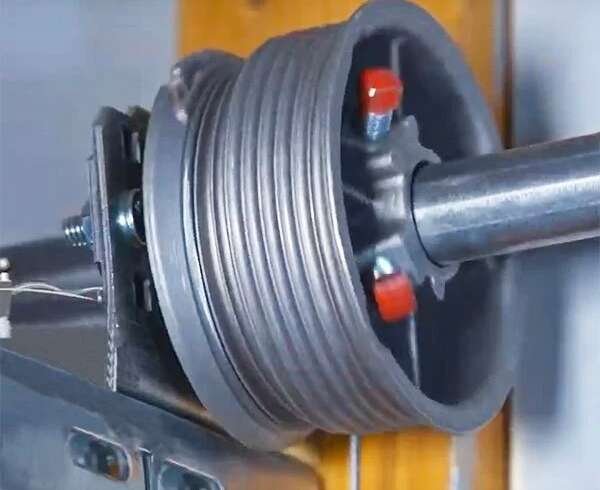

Is your garage door opening unevenly, making unusual noises, or struggling to stay balanced? These problems can sometimes point to worn or damaged drums that need professional attention. If you are looking for Garage Door Drum Repair in Deland, FL, understanding what the drums do, what causes them to fail, and when to call a professional can help you avoid a more serious garage door problem.
What Does a Garage Door Drum Do?
Garage door drums are an important part of a torsion-spring garage door system. They are typically positioned at the ends of the torsion tube above the garage door. Steel lift cables wrap around the drums as the door moves up and down.
The drums work together with the lift cables and torsion springs to help distribute the door’s weight and maintain controlled movement. When the system is functioning correctly, the door should travel relatively smoothly and remain balanced throughout its operation.
A damaged or worn drum can interfere with that movement. Because garage door components operate under significant tension, drum problems should not be treated as a simple do-it-yourself adjustment.
Common signs of a drum-related issue can include:
- The door appears crooked while opening or closing.
- Lift cables are loose or coming off the drums.
- The garage door makes unusual scraping or popping sounds.
- One side of the door moves differently from the other.
- The door becomes difficult to open or close.
- Cables appear to be winding incorrectly around the drums.
- The garage door suddenly becomes unbalanced.
These symptoms can also be caused by springs, cables, tracks, rollers, or other components, so a proper inspection is important before deciding that the drum itself needs replacement.
What Causes Garage Door Drums to Wear or Fail?
Garage door drums are designed for repeated use, but they are not immune to wear. Every opening and closing cycle places movement and mechanical stress on the garage door system.
Several issues can contribute to drum problems.
Normal Wear
Over time, repeated operation can cause components in the lifting system to wear. A drum that has developed visible damage or excessive wear may no longer guide the lift cable correctly.
Damaged or Misaligned Cables
Garage door drums and lift cables work as a system. If a cable becomes frayed, loose, damaged, or improperly positioned, it can affect how the cable wraps around the drum.
Spring Problems
Torsion springs provide the counterbalance needed to help lift the door. If a spring breaks or loses its ability to provide proper tension, the rest of the system can be affected.
Door Imbalance
An improperly balanced garage door can place additional strain on different components. This may contribute to premature wear and can make existing drum or cable problems more noticeable.
Impact or Mechanical Damage
Accidental impacts, installation problems, or other mechanical issues can damage components around the drum assembly.
Because several garage door components work together, replacing a drum without identifying the underlying problem may not solve the issue.
When Should You Schedule Garage Door Drum Repair in Deland, FL?
Not every unusual garage door sound means the drum needs immediate replacement. However, certain warning signs deserve professional attention.
If your garage door is operating unevenly or a lift cable has come off its drum, avoid repeatedly opening and closing the door to see whether it will correct itself. Continued operation can potentially place additional stress on the cables, springs, rollers, and other parts. Trusted Garage Door Drum Repair Services in Deland, FL may be appropriate when an inspection identifies problems such as:
- A visibly damaged or excessively worn drum.
- A lift cable repeatedly coming off the drum.
- Cable winding that is uneven or abnormal.
- A garage door that is noticeably crooked during operation.
- Mechanical damage affecting the drum or cable assembly.
- Related spring or cable problems that prevent proper operation.
A technician can inspect the complete lifting system and determine whether the drum should be repaired, replaced, repositioned, or addressed as part of a larger repair.
Why Professional Garage Door Service Matters
Garage doors are heavy mechanical systems, and some components are under considerable tension. Torsion springs, lift cables, and drums should therefore be handled carefully.
Trying to remove or adjust these components without the appropriate knowledge and equipment can create a serious safety risk. A professional technician can evaluate the system rather than focusing on only the most obvious symptom.
A proper service visit may involve:
- Inspecting the drums for visible damage or wear.
- Checking the lift cables and their positioning.
- Examining the torsion springs.
- Checking whether the door is properly balanced.
- Inspecting tracks, rollers, and related hardware.
- Identifying the cause of unusual movement or noise.
- Testing the door after the repair.
The goal is not simply to make the garage door move again. The entire system should be checked so that a damaged component does not continue affecting other parts.
For homeowners and small business owners in the area, Go Pro Garage Door Service provides professional garage door solutions for residential and commercial properties throughout Central Florida.
How to Prevent Garage Door Drum Problems
Although normal component wear cannot always be avoided, regular attention can help identify problems before they become more disruptive.
One useful step is to pay attention to changes in how the door operates. A garage door that previously moved smoothly but suddenly becomes noisy, uneven, or difficult to operate deserves inspection.
Homeowners can also:
- Keep the garage door’s operating area clear.
- Avoid forcing a door that appears stuck or crooked.
- Have unusual cable movement inspected promptly.
- Schedule professional maintenance when recommended.
- Watch for visible fraying or damage to lift cables.
- Avoid attempting to adjust torsion springs or cable tension yourself.
- Have recurring problems investigated instead of repeatedly resetting or forcing the door.
Routine maintenance can also help identify related problems involving rollers, hinges, tracks, cables, springs, and other hardware.
If the garage door is making a new noise or behaving differently, addressing the issue early may help prevent a small component problem from affecting other parts of the system.
FAQ About Garage Door Drum Repair
What are the signs of a bad garage door drum?
A damaged drum can contribute to uneven door movement, improperly winding cables, unusual noises, or cables coming off the drum. However, similar symptoms can result from damaged cables, springs, tracks, or other components, so professional inspection is recommended.
Can I replace a garage door drum myself?
Garage door drums are connected to a system that can include high-tension torsion springs and lift cables. Because of the potential safety hazards, homeowners should generally leave drum replacement and cable-related work to a qualified garage door technician.
Should I keep using my garage door if a cable comes off the drum?
It is better to stop operating the door until the problem has been inspected. Continuing to operate a door with a displaced or damaged cable can place additional strain on the lifting system and may worsen the problem.
How long does garage door drum repair take?
The time required depends on the condition of the drum and whether other components, such as cables or springs, are involved. A technician can provide a more accurate estimate after inspecting the garage door system.
Conclusion: Is Your Garage Door Showing Signs of Drum Trouble?
If you need Precision Garage Door Drum Repair Services in FL, consider having the complete garage door system inspected by an experienced professional. Go Pro Garage Door Service serves residential and commercial customers across Central Florida and can help identify garage door problems and determine the appropriate repair.
A garage door that moves unevenly, makes unfamiliar sounds, or has a cable coming off the drum should not be ignored. The drum is part of a larger lifting system, so identifying the actual cause of the problem is important for safe and reliable operation.