
Stand in front of a wall of scarves and your head may start to spin. One is red and white. One is black and white. Another is plain white with a soft edge. A question pops up on forum after forum: does the color really matter? It can, a little. A shemagh for men is a simple square of cloth, yet each color brings its own feel, its own mood, and sometimes its own story. This guide breaks it down in easy words, so you can pick the one that suits your face, your robe, and your week.

Why Color Is the First Thing People Ask About
Most people look at the pattern before they touch the cloth. That makes sense. Color is what everyone sees from across the room. It sets the tone before you say a word. Still, color is only one piece. The weight of the cloth, the size, and the way you wear it all play a part too.
A Quick Look at the Three Classics
Three looks show up again and again. Red and white is bright and friendly. Black and white is bold and sharp. Plain white is calm and clean. Each one can look great. The right choice depends on where you are going and what you are wearing.
Red and White: The Everyday Favorite
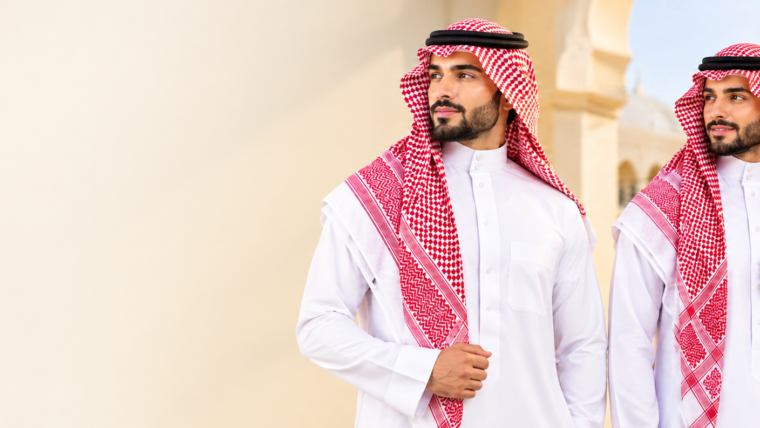
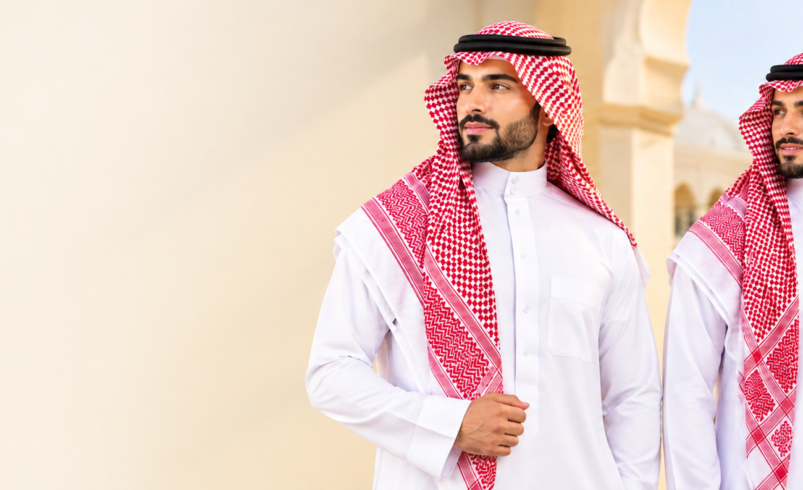
The red and white check is the one many men picture first. It is common in the Gulf, in Jordan, and across the Arab world. The red adds warmth, so it stands out against a white robe without looking loud.
Where It Shines
This style works well for relaxed days. Think family visits, short trips, a walk after prayer, or a weekend meal. Many men also like it in cooler months, since red-and-white cloth is often a little thicker.
What to Watch
If your robe already has strong color, such as navy or olive, the red can feel busy. In that case, try a softer shade or a plain scarf. Let one piece lead.
Black and White: Strong and Simple
Black and white is clean and easy to match. It goes with white, grey, black, and sand robes. It also fits jeans and a jacket, which makes it a safe pick if you want to wear one scarf in many ways.
Where It Shines
This style looks sharp in the evening. It also hides small marks better than a plain white cloth, which is handy if you wear it often.
A Gentle Note on Meaning
In many places, the black and white pattern is closely linked with Palestinian heritage, while red and white is often tied to Jordan and Gulf tradition. These links are not the same everywhere, and not everyone sees them the same way. If you wear a color, know what it can say to others and wear it with respect.
Plain White: Calm and Formal
A plain white cloth is the dressiest of the three. It is usually called a ghutra. It is light, quiet, and very neat. Men often wear it with a black cord on top for a formal look.
Shemagh or Ghutra?
The names overlap, so it helps to keep it simple. If the cloth is plain white and worn for formal events, people usually say ghutra. If it has a check pattern, people usually say shemagh. Both are square cloths, and both are folded the same way.
Do Colors Carry a Message?
Sometimes. A scarf can be a sign of family roots, a place, or pride. Other times it is only a style choice. People wear them for sun, wind, and warmth every day without any message at all.
Wearing It With Care
Here is a good rule. Ask yourself why you picked it. If the answer is comfort, style, or respect for tradition, you are on solid ground. If you are not sure what a pattern means, take a minute to read about it first. A little care goes a long way.
Picking by Season
The weather can decide the color and the cloth before you do.
Warm Days
Choose thin, soft cotton. It lets air move and dries fast when you sweat. Light colors such as white, cream, or a pale check keep the heat down.
Why Thin Cloth Helps
Thin cloth rests lightly on your head. You barely notice it, even at midday. It also folds small, so it fits in a pocket.
Cool Days
Thicker cloth keeps wind off your neck and ears. Red and white often comes in a heavier weave, which is cozy in autumn. Some men add a wool blend for deep winter.
Layering Tip
Drape the scarf around your neck under a coat. You keep the heat close and still show a bit of pattern at the collar.
Matching the Moment
The best scarf for a wedding may not be the best for a hike. Think about the day first.
Friday Prayers
Most men reach for white or a very light check. A clean white robe with a plain scarf looks calm and respectful. Add a small cap beneath it for a snug fit.
Weddings and Eid
Choose a crisp cloth with no wear on the edges. A white ghutra with a black cord is a classic, though a neat red-and-white shemagh also looks lovely on a white robe. Press it first so the folds sit sharp.
Weekend Drives and Walks
Here, comfort wins. Pick a soft check in a color you like. Drape it loose, and tuck it into your jacket if the wind rises.
Building a Week of Looks
One scarf can carry you a long way, but two or three give you room to play. When you plan the muslim clothing men can wear across a normal week, think in small sets. A white robe with a light scarf for Friday. A grey or sand robe with a checked one for family time. A plain dark outfit with a neat wrap for the evening. Each set takes a minute to put together, and each one feels ready for its own moment.
Keep the Rule of One
Pick one star for each outfit. If the scarf has a bold pattern, keep the robe plain. If the robe has fine stitching, keep the scarf calm. This simple rule makes you look put together without effort.

Size and Feel in the Hand
A good scarf feels right the moment you hold it. Check three things.
Is It Big Enough?
You should be able to fold it into a triangle and still have long ends. A small cloth looks tight and slips off.
Is It Soft?
Run the cloth along your wrist. If it feels rough, it will feel worse on your neck by noon. Soft cotton or a smooth blend is the safe path.
Does It Hold Its Shape?
Tug the corners gently. A good weave stays flat and does not stretch out. Thin, loose threads can pull and look messy after a few wears.
Three Quick Tests Before You Decide
Still torn between colors? Try these tests at home.
The Mirror Test
Hold each scarf near your face. Notice which one brightens your skin and which one dulls it. Warm tones often suit olive and brown skin, and cool tones can look sharp on a lighter face.
The Closet Test
Look at the robes and jackets you already own. Pick the scarf that works with the most of them. That is the one you will wear again and again.
The Day Test
Picture your next three plans. If most are relaxed, lean toward a check. If most are formal, lean toward white.
A Simple Place to Start
If you want a safe first pick, go with a soft red-and-white check in cotton. It suits most robes, most seasons, and most plans. Once you feel at ease, add a plain white one for formal days and a black-and-white one for evenings.
A shemagh for men does more than cover the head. It adds color, shade, warmth, and a link to a long tradition. Choose the cloth with care, match it to the day, and wear it with a calm heart. That is all it takes to look and feel your best.
Frequently Asked Questions
Does the color of a shemagh matter?
Sometimes. Red and white is a bright everyday choice, black and white is bold and simple, and plain white is formal. Some patterns also carry cultural meaning, so learn about a color before you wear it. For most daily use, comfort and fit matter most.
What is the difference between a shemagh, a keffiyeh, and a ghutra?
All three are square head cloths. A shemagh or keffiyeh usually has a check pattern, while a ghutra is plain white. Names change by region. On ethobe.com, the shemagh and the ghutra are listed together under headwear so you can compare them side by side.
Which color goes best with a white thobe?
A white thobe works with almost any shade. Ethobe.com notes that a shemagh or ghutra completes a white thobe for Friday prayers, Eid, and formal gatherings. Red and white adds warmth, black and white adds contrast, and plain white keeps the look calm.
Can I wear a shemagh in cold weather?
Yes. Pick a thicker cotton or a wool blend and wrap it around your neck and ears. Ethobe.com also has a winter section with warm thobes and layers, so your scarf and robe can work together in cold months.
How do I wrap a shemagh for a special day like Eid?
Fold the cloth into a triangle, place the folded edge over your forehead, and let the ends rest on your shoulders. Ethobe.com has a step-by-step guide on wrapping a shemagh for Eid, and it explains why the scarf pairs so well with a white thobe.